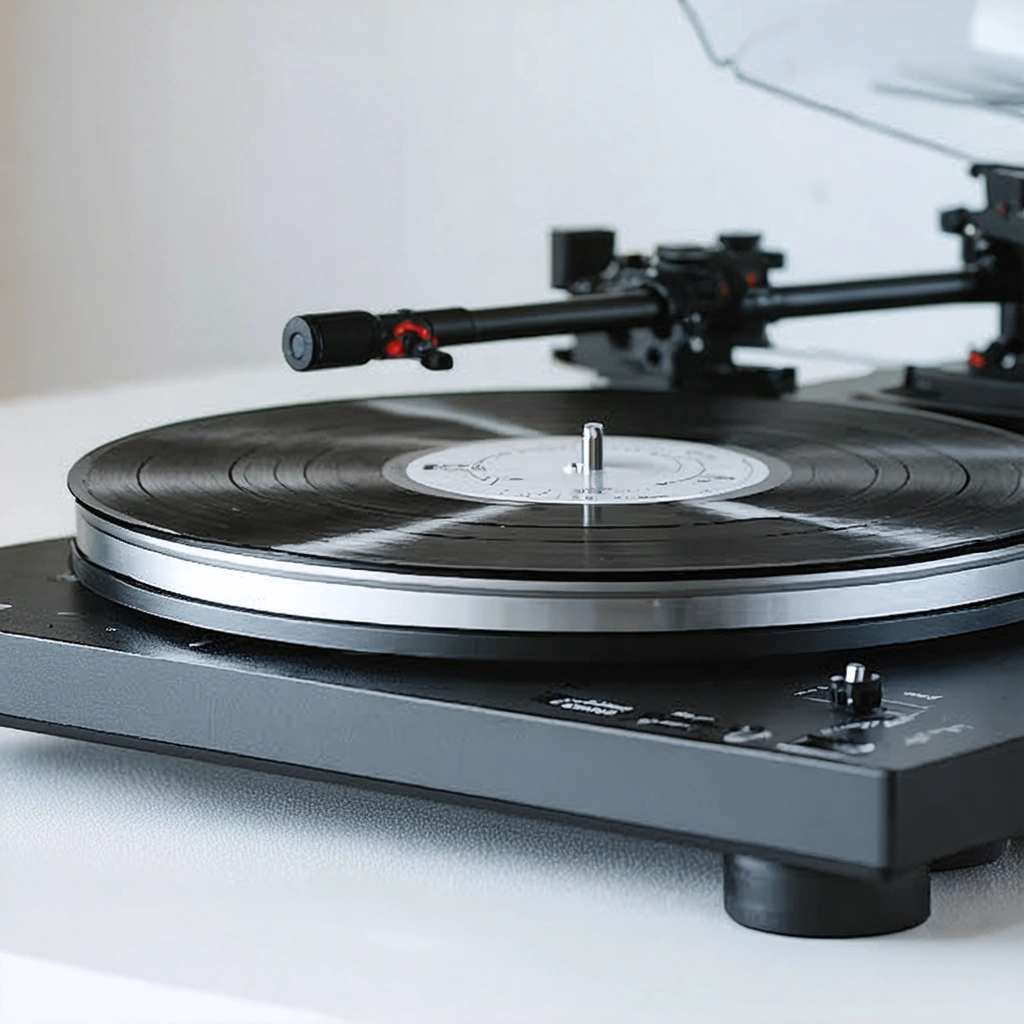
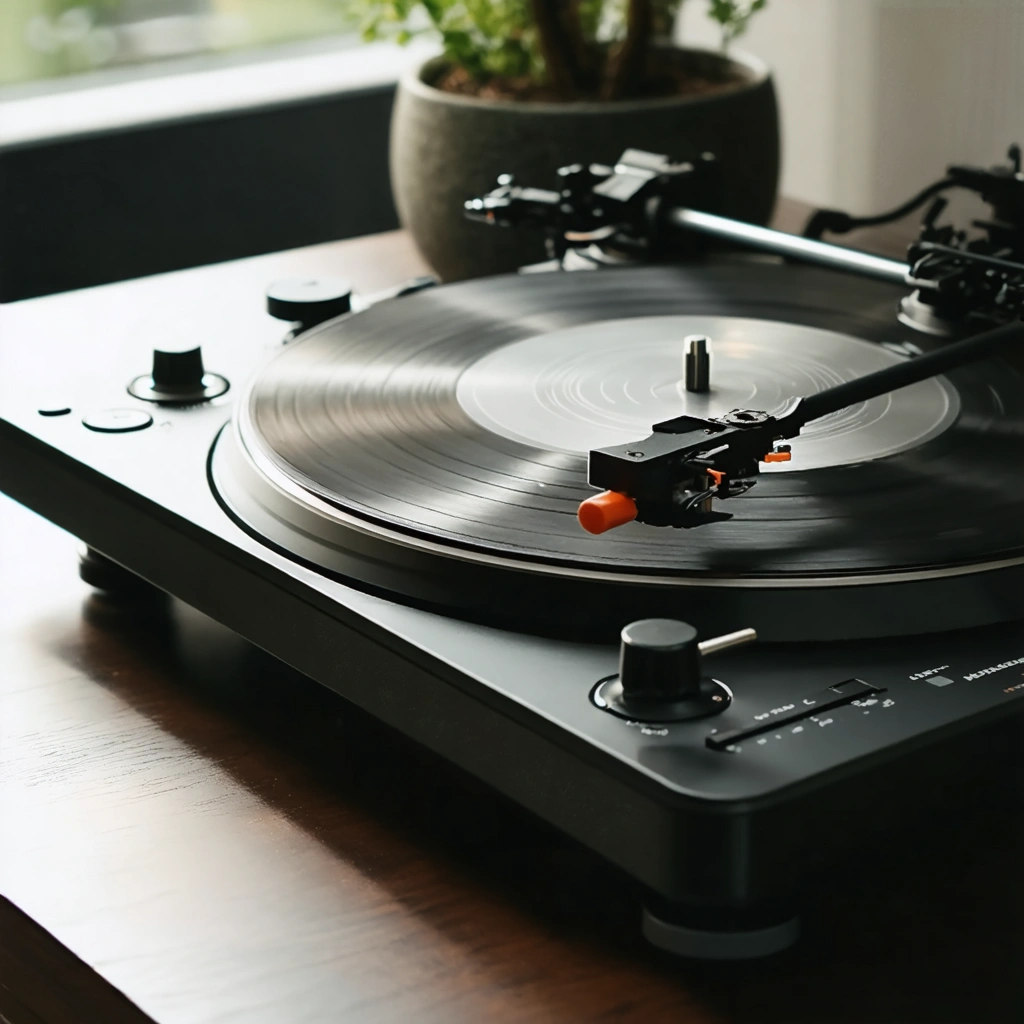
If you're looking at the AT-LP7X, you're probably past the suitcase-turntable stage. You want one deck you won't outgrow in a year. The real question isn't whether it's "audiophile" enough. It's whether this Audio-Technica deck makes sense for a home listener who wants better sound, real upgrade room, and fewer compromises under $1000.
This isn't a plug-and-play record player. It's a manual belt-drive turntable that asks a little more from you up front, then gives you more room to build a better system around it.
If you're choosing between convenience and long-term upgrade room, this review will make that tradeoff clear.
Darkside Vinyl's Verdict
The AT-LP7X is a smart buy for listeners moving up from entry-level turntables and building a more serious home setup. It isn't the easiest option in this price range, but it gives you better long-term flexibility than many beginner decks that front-load convenience and cap your upgrade path.
| Verdict | Take |
|---|---|
| Best for | Home listeners upgrading from entry-level decks |
| Not ideal for | Buyers who want built-in preamp simplicity |
| Buying recommendation | Worth it if you care about system matching, cartridge upgrades, and keeping one deck for years |
Who the AT-LP7X is best for
This manual hi-fi turntable fits buyers who already know they want more than an automatic starter model. If you've been using something like an AT-LP60X, a basic Sony, or another entry-level table and now want quieter operation, better arm hardware, and a cartridge platform you can improve later, this one makes sense.
Think of it like moving from a starter bike to something you can actually tune and keep. You don't buy it because it's flashy. You buy it because the cheap shortcuts are gone.
If you already have decent powered speakers, or a receiver and passive speakers, and your current deck is the weak link, the AT-LP7X starts to earn its price. You don't get Bluetooth or auto-stop. Instead, you get cleaner playback and a table that won't feel disposable in 12 months.
Who should skip it
If you want to unbox a turntable, plug it straight into powered speakers, and play records tonight with zero extra thought, skip this one. The missing phono preamp changes the whole ownership experience.
That's also where the "more expensive always sounds better" myth falls apart. A pricier deck won't automatically beat a cheaper one in your room if the rest of your setup isn't ready for it. Cartridge alignment, phono stage quality, and speaker matching still matter.
Quick buying recommendation
Buy it if you want one serious home-listening deck with room to grow. Skip it if you'd rather pay for convenience, included extras, or the lowest total setup cost.
If you're cross-shopping, here's the short version: the Fluance RT85 often wins on included value, the Pro-Ject Debut Carbon EVO is a close rival for enthusiast buyers, and the Rega Planar 1 stays friendlier for simpler first-step ownership. The Audio-Technica sits in the middle as a refined, upgrade-friendly platform.
For more options in this price range, see our guides to turntables and turntables under $1000.
PROS and CONS
What the AT-LP7X does well
- Strong chassis and tonearm design
- Carbon fiber J-shaped tonearm feels serious
- AT-VM95E is a solid starting cartridge
- Easy cartridge-path upgrades later
- Clean manual operation for home listening
- External phono stage gives more flexibility
- Better long-term ownership appeal than many beginner decks
Where it asks more from the buyer
- No built-in phono preamp
- More setup than plug-and-play models
- Higher real-world cost than sticker price alone
- Not a fit for DJ use
- Tougher value comparison against feature-packed rivals
A first-time hi-fi buyer can absolutely enjoy this table, but they need to budget honestly. If your amp or powered speakers don't have a phono input, you'll need an external phono stage too. So the real cost isn't just the turntable.
The built-in preamp myth also needs a quick cleanup. Built-in stages are convenient, but they aren't always the better long-term choice. An external unit gives you more freedom to improve the rest of the chain later, especially if you upgrade speakers, amplification, or cartridge.
Get the Full Picture
Waldo's take, why the AT-LP7X makes sense for the right buyer
This is the kind of deck I like for buyers who are done with "good enough" starter gear but aren't trying to become obsessive hobbyists overnight. It gives you real hardware where it counts, especially in the tonearm and cartridge platform, without pushing you into ultra-esoteric territory.
The catch is obvious: this isn't casual-listener gear. If your main goal is convenience, there are easier ways to spend this money. But if your goal is to build a better stereo over time, the AT-LP7X starts to look a lot smarter.
A common sub-$1000 comparison makes that clear. The RT85 looks attractive because it includes more value up front. Another model may win on simplicity. The Audio-Technica keeps showing up for refinement and flexibility. If you want a full system, you'll probably appreciate the Audio-Technica more than someone who just wants a quick purchase.
What Amazon reviews and owner feedback tend to highlight
Owner feedback usually clusters around four themes: sound quality, build confidence, setup learning curve, and confusion about the missing preamp.
The praise is predictable. Buyers like the cleaner, more mature sound compared with entry-level tables. Many also mention the arm and overall construction as a clear step up from cheaper record players. The included AT-VM95E gets credit too, because it's a respectable starting point instead of a throwaway cartridge.
The complaints are predictable as well. Some buyers assume RCA output means they can connect it directly to any speaker setup, then realize they still need a phono preamp somewhere in the chain. That's not a flaw in the deck, but it is a real friction point.
What Reddit and forum-style discussions usually focus on
Community discussions spend less time on marketing features and more time on platform value. People compare cartridge upgrade potential, tonearm quality, and whether this model gives you more long-term satisfaction than something that includes more accessories in the box.
The AT-VM95 family matters here. Many owners like that you can start with the VM95E and move up within the same cartridge family later, rather than rethinking your whole setup. That's a big reason this table gets recommended to motivated beginners, not just hardcore audiophiles.
You'll also see frequent comparisons with the Fluance RT85 and Pro-Ject Debut Carbon EVO. The debate usually comes down to this: do you want included value today, or a deck whose refinement and flexibility may pay off over years of ownership?
Overview
Key specs that matter before you buy
| Spec | Audio-Technica AT-LP7X |
|---|---|
| Drive type | Belt-drive |
| Operation type | Manual |
| Cartridge | AT-VM95E moving magnet cartridge |
| Tonearm | Carbon fiber J-shaped tonearm |
| Speeds | 33/45 RPM |
| Output | RCA output |
| Built-in phono preamp | No |
| Upgrade path | Strong, especially within the VM95 cartridge family |
These specs tell you what kind of owner this deck is built for. This isn't trying to be a convenience-first record player. It's trying to be a better foundation.
If you don't want to replace your whole turntable next year, tonearm quality and cartridge flexibility matter more than Bluetooth or auto-stop. That's where the AT-LP7X earns attention.
Design, tonearm, and cartridge highlights
The standout hardware choice is the carbon fiber tonearm. Audio-Technica uses a J-shaped design here, which gives the table a more serious feel than the straight, lightweight arms you often see on cheaper models. In practice, that matters because the arm is one of the parts you live with every time you cue a record and every time you think about cartridge upgrades.
The included AT-VM95E is another smart choice. It isn't flashy, but it's good enough to enjoy right away and flexible enough to build on later. If you want a better stylus in the same family, you don't have to start from scratch.
That makes this a good manual audiophile
What the missing built-in preamp means in real use
No built-in phono stage means the signal coming out of the RCA output isn't ready for standard line-level inputs. You need either a receiver or amplifier with a phono input, or a separate phono preamp between the turntable and your amp or powered speakers.
Here's the plain-English signal chain:
| Signal chain | What it means |
|---|---|
| Turntable | Reads the record groove |
| Phono preamp | Boosts and equalizes the signal |
| Amp or receiver | Powers the system |
| Speakers | Produce the sound |
That sounds more intimidating than it is. Once the initial setup is done, daily use is straightforward. The real issue is whether your current system matches the deck.
If you want help with cartridge options later, see our guides to best turntable cartridges and turntable upgrades.
Setup and system match
What you need to use the AT-LP7X
Before you buy, make sure you have the rest of the chain covered.
| Required gear | Do you need it? |
|---|---|
| Speakers | Yes |
| Amplifier or receiver | Yes, unless using powered speakers with the right chain |
| External phono preamp | Yes, if your amp/receiver lacks phono input |
| Stable surface and proper placement | Yes |
This is where many buyers get tripped up. A powered speaker setup doesn't automatically mean you're ready. If those speakers don't have a phono stage built in, you still need one between the table and the speakers.
A common mistake goes like this: someone buys the deck, plugs it into powered speakers with standard RCA inputs, and gets weak or incorrect sound. They assume something is broken. Usually, the missing piece is just a phono preamp.
Setup difficulty, step by step for beginners
The setup is manageable if you're patient. It just isn't instant.
- Assemble the platter and belt.
- Install the counterweight and balance the tonearm.
- Set tracking force and anti-skate.
- Connect the RCA output to a phono stage or phono input.
- Test playback at 33/45 RPM.
None of those steps are extreme. But if you've only used automatic starter decks, balancing a tonearm and setting tracking force will feel new the first time. That's why I wouldn't call this a true plug-and-play option.
If you need help, our turntable setup guide and phono preamp guide can save you some frustration.
Who will find the setup easy, and who probably won't
If you've already connected a receiver, swapped speakers, or adjusted a cartridge before, this will feel normal. If you like learning a little and want better gear because of it, you'll be fine.
If you hate setup, hate manuals, and want instant playback, you probably won't enjoy the first hour of ownership. That's not snobbery, it's just fit. The AT-LP7X is only "for audiophiles" in the sense that it expects a little care, not because it requires expert-level knowledge.
Comparisons
Comparison matrix
| Model | Drive type | Cartridge | Built-in phono preamp | Ease of setup | Upgrade friendliness | Best for |
|---|---|---|---|---|---|---|
| Audio-Technica AT-LP7X | Belt-drive | AT-VM95E | No | Moderate | High | Buyers wanting a long-term home listening deck |
| Fluance RT85 | Belt-drive | Ortofon 2M Blue | No | Moderate | High | Buyers wanting strong included value |
| Pro-Ject Debut Carbon EVO | Belt-drive | Varies by package/market | No | Moderate | High | Buyers wanting enthusiast credibility and refinement |
| Rega Planar 1 | Belt-drive | Rega Carbon | No | Easier | Moderate | Buyers wanting simpler enthusiast ownership |
| Direct-drive alternatives with built-in stage | Direct-drive | Varies | Often yes | Easier | Varies | Buyers prioritizing convenience or DJ-style use |
AT-LP7X vs Fluance RT85
This is one of the closest comparisons under $1000. The RT85 often looks like the better deal on paper because it packs in strong value up front, and that value is real.
The Audio-Technica makes its case differently. It feels more like a platform buy. If your mindset is "I want the most complete package today," the Fluance may win. But if your mindset is "I want a deck I can live with and improve around," the AT-LP7X becomes more appealing.
AT-LP7X vs Pro-Ject Debut Carbon EVO
The Debut Carbon EVO is the rival most likely to tempt buyers who already know the enthusiast shortlist. Both target serious home listening. Both ask you to care about setup and system matching.
The difference often comes down to design, pricing, and how you value the cartridge and arm package. The Audio-Technica's AT-VM95E path is easy to understand and easy to upgrade within. The Pro-Ject often wins with buyers who already like the brand's stripped-down hi-fi approach.
AT-LP7X vs Rega Planar 1
The Planar 1 is often easier to recommend to someone who wants a simpler first step into better vinyl playback. Rega usually keeps the experience cleaner and less intimidating.
The AT-LP7X offers more of an enthusiast feature set and a stronger sense of upgrade flexibility. If you're willing to do a little more work, it gives you more room to grow. If you want less friction, the Rega can be the more comfortable buy.
AT-LP7X vs direct-drive and built-in-preamp alternatives
If you're comparing this with a direct-drive turntable, ask what kind of listening you actually do. For home listening, a belt-drive design like this is perfectly practical and often preferred by buyers who care more about refinement than torque or DJ-style operation.
Against built-in-preamp models, the tradeoff is simpler: convenience versus flexibility. A built-in stage can lower setup friction, but it also removes one area where you could improve the chain later.
Which one should you choose?
Choose the AT-LP7X if you want a long-term deck, don't mind manual setup, and care about cartridge and system upgrades.
Choose the RT85 if you want the strongest included-value package and a compelling out-of-box proposition.
Choose the Debut Carbon EVO if you want another enthusiast-grade belt-drive option with a strong reputation and don't mind a similarly involved setup.
Choose the Planar 1 if you want a simpler path into better vinyl playback and don't need as much feature flexibility.
More expensive doesn't always mean better value. The right answer depends on whether you value included extras, ease of ownership, or long-term ceiling.
Final Thoughts
When the AT-LP7X is worth the money
This premium Audio-Technica turntable is worth it for the buyer who wants a manual belt-drive record player with real upgrade potential. If you're building a home system, accept the need for a phono preamp, and like the idea of improving the cartridge path over time, it's a strong purchase.
If you want one serious deck for your living room and you're willing to spend an extra hour getting it right, this can be the kind of turntable you keep for years instead of replacing after your first upgrade itch.
When another turntable makes more sense
Skip it if you want plug-and-play simplicity, the lowest total setup cost, or zero interest in learning setup basics. In that case, a model with easier setup or a built-in stage will probably make you happier, even if the long-term ceiling is lower.
My bottom line is simple: the AT-LP7X is a very good buy for the right person, not the easiest buy for every person. If your priorities are refinement, flexibility, and long-term ownership, it earns its place in the better turntables under $1000 conversation.
If you're still comparing options, check our picks for turntables under $1000 and our guide to turntable upgrades.
FAQ
What is the Audio-Technica AT-LP7X Belt-Drive Turntable?
The Audio-Technica AT-LP7X is a manual belt-drive turntable built for home listeners who want a more serious hi-fi deck with room to upgrade. It includes an AT-VM95E moving magnet cartridge, uses a carbon fiber J-shaped tonearm, and doesn't include a built-in phono preamp.
Who is the Audio-Technica AT-LP7X best for?
It's best for buyers upgrading from entry-level record players who want better sound and a stronger long-term platform. It fits listeners who don't mind manual setup and either already have supporting gear or plan to build a better stereo around the turntable.
Does the Audio-Technica AT-LP7X have a built-in phono preamp?
No, the AT-LP7X doesn't have a built-in phono preamp. That means it needs to connect to a receiver or amplifier with a phono input, or to an external phono preamp before going into powered speakers or a standard line input.
Is the Audio-Technica AT-LP7X worth the price?
Yes, for the right buyer. It's worth the money if you care more about sound quality, tonearm quality, cartridge upgrade options, and long-term ownership than plug-and-play convenience. It makes less sense if you want the simplest possible setup.
What extra gear do I need to use the AT-LP7X?
You need speakers and some form of amplification. You also need a phono preamp if your amplifier, receiver, or powered speakers don't already have a phono input built in. A stable surface and proper placement matter too.
How hard is the Audio-Technica AT-LP7X to set up for a first-time buyer?
It's moderately difficult, not extreme. A patient beginner can handle it, but it does require platter and belt assembly, tonearm balancing, tracking force setup, anti-skate adjustment, and correct connection to a phono stage. If you want instant playback, there are easier turntables.
Can you upgrade the cartridge on the Audio-Technica AT-LP7X later?
Yes, and that's one of its biggest strengths. The included AT-VM95E is a good starting point, and the VM95 family gives you a clear upgrade path without forcing a full rethink of your setup.
Is the AT-LP7X a better buy than the Fluance RT85 or Pro-Ject Debut Carbon EVO?
It depends on what you value. The Fluance RT85 often wins on included value, while the Pro-Ject Debut Carbon EVO is another strong enthusiast option with similar appeal. The AT-LP7X stands out for buyers who want a refined, upgradeable hi-fi record player and are comfortable with a more involved setup.
Why You Should Trust Darkside Vinyl's Reviews
We test products ourselves
We don't rely on spec sheets alone. We look at how turntables actually fit into real home systems, including setup friction, sound quality, and ownership tradeoffs.
We gather feedback from real customers
Customer sentiment helps surface the stuff that matters after the first week, not just on unboxing day. That includes setup confusion, reliability concerns, and whether buyers still feel good about the purchase later.
We analyze Amazon reviews
Amazon reviews help us spot recurring patterns at scale, especially around build quality, ease of use, and common buyer mistakes.
We check online vinyl communities
Vinyl communities often catch the details that store pages miss. That includes cartridge upgrade paths, comparison context, and whether a turntable still makes sense once the honeymoon period wears off.
Darkside Vinyl reviews combine hands-on use, real customer feedback, Amazon reviews, and enthusiast community discussion so you get more than a recycled product listing.