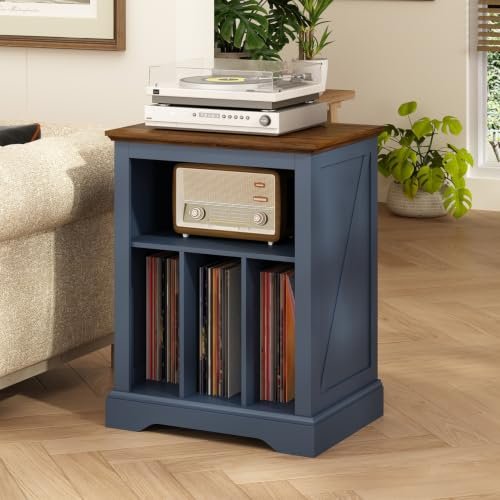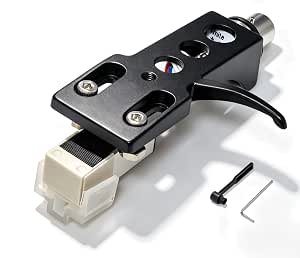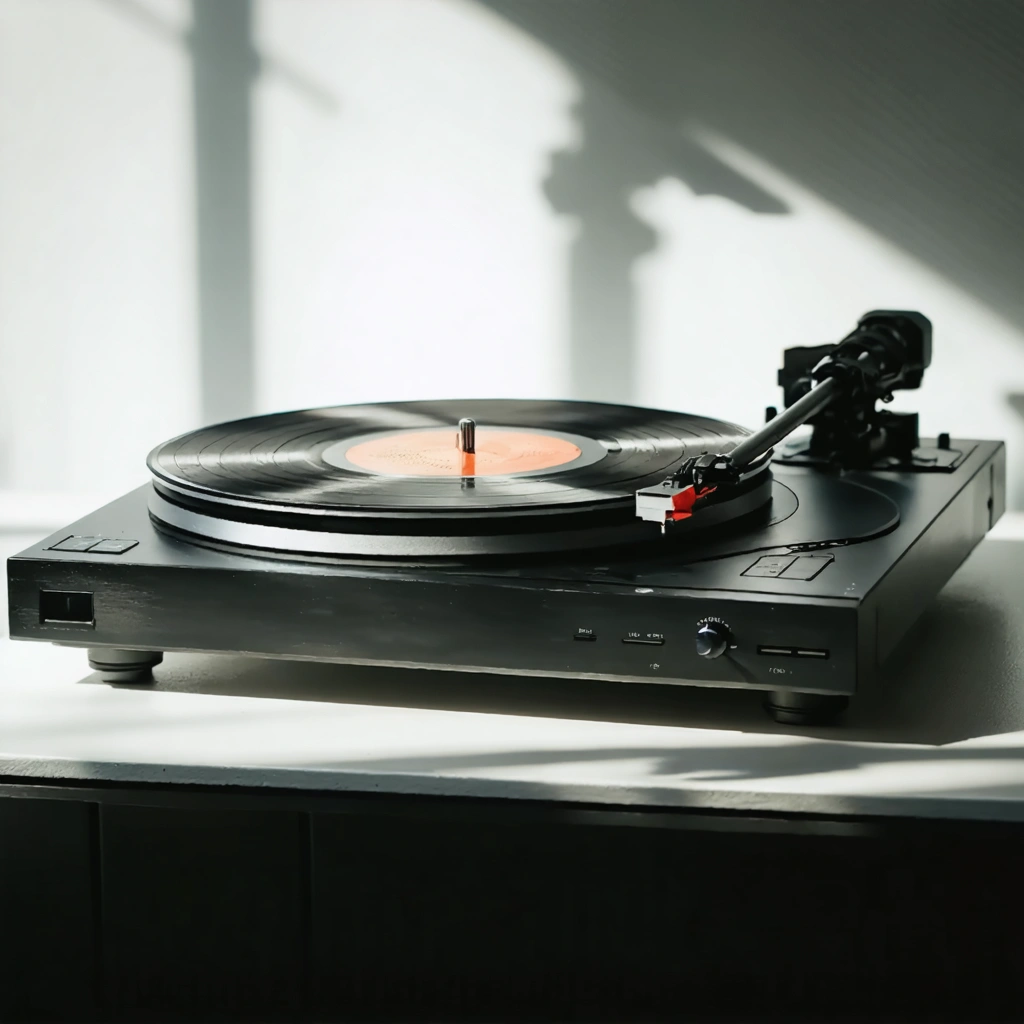
A receiver for turntables is a stereo or AV component that can properly handle a turntable’s signal, power passive speakers, and fit the rest of your listening setup.
Quick Answer
If you’ve got a turntable and passive speakers, the safest default is the Yamaha R-S202BL. It’s a straightforward stereo receiver with a phono input, easy setup, and none of the home theater baggage that gets in the way of vinyl playback.
If price is the main constraint, the Sony STR-DH190 is the budget lane. It gives you a phono input, basic speaker hookups, and a low-friction path for a first system.
For buyers who want a cleaner all-in-one box with more living-room flexibility, the Marantz NR1200 is the premium pick. If you want the strongest mix of price, phono support, and everyday usability, the Onkyo TX-8220 is the value choice.
The right receiver depends on your turntable output, whether your speakers are passive or powered, and whether you also want TV or streaming features. A turntable with a built-in preamp can feed line-level inputs directly, while a deck without one needs a phono input or an external phono preamp. If you already use powered speakers, you usually don’t need a receiver unless you’re planning to move to passive speakers later.
If you want the quick shortlist, the table below makes the tradeoffs obvious.
Quick Recommendations
| Product | Rating | Best For | Key Benefit | CTA |
|---|---|---|---|---|
| Yamaha R-S202BL | 4.7/5 | Simple turntable and passive speaker setups | Clean stereo layout with reliable phono input support | Check the Price on Amazon! |
| Sony STR-DH190 | 4.4/5 | Budget vinyl systems | Low-cost entry with built-in phono input | Check the Price on Amazon! |
| Marantz NR1200 | 4.6/5 | Premium living room systems | Stronger all-around flexibility with HDMI ARC and phono input | Shop Now |
| Onkyo TX-8220 | 4.5/5 | Best value for the money | Good balance of price, sound, and phono support | Check the Price on Amazon! |
Yamaha fits the reader who wants a dependable stereo receiver for passive speakers and nothing extra. Sony is the cheapest reliable path for a small apartment or starter system. Marantz makes sense if vinyl shares a room with TV audio. Onkyo lands in the middle for buyers who want a little more refinement without jumping to premium pricing.
The table gives you the fast answer, but the next section explains why these picks made the cut.
What We Recommend
Yamaha R-S202BL, best overall
The Yamaha R-S202BL is the easiest recommendation for most vinyl-first setups. It keeps the signal path simple, gives you a phono input for a turntable, and pairs cleanly with passive speakers without making setup feel like a weekend project.
That matters more than flashy extras. If your goal is to connect a deck, two bookshelf speakers, and start listening, this stereo receiver does the job without wasting money on surround features you won’t use.
What We Noticed
It feels like the kind of receiver you buy once and stop thinking about. The controls are plain, the layout is easy to read, and the phono input does exactly what it should for a basic record player receiver setup.
Unexpected Pros
The simplicity is the point, but it also lowers the chance of setup mistakes. Fewer modes, fewer menus, fewer chances to route the turntable into the wrong input.
Unexpected Cons
You’re not getting the feature spread of an AV receiver, and that’s fine for vinyl. If you want HDMI ARC or network streaming baked in, this isn’t the box for that job.
Things Nobody Talks About
A lot of first-time buyers overbuy on inputs and underbuy on usability. A clean stereo amp for turntable use often sounds better in practice because it’s easier to wire correctly and easier to live with.
Real-World Considerations
This is the pick for a first-time vinyl buyer with passive bookshelf speakers who wants the least fussy path to music. If you’re comparing it with the Sony, the Yamaha usually feels a little more settled. If you’re comparing it with the Onkyo, the Yamaha wins on “safe default” simplicity rather than feature count.
If you want the simplest path to sound, this is the one most readers should start with.
Sony STR-DH190, budget
The Sony STR-DH190 is the low-cost answer for people who just need a receiver with phono input and basic speaker hookups. It keeps the entry price down without forcing you to buy a separate phono preamp on day one.
That makes it a smart fit for a college apartment or a small room system. If the budget is tight and the speakers are passive, this gets vinyl playing without a lot of drama.
What We Noticed
Sony kept the formula basic, which is exactly why it works for budget shoppers. You get the core vinyl chain, not a pile of extras you’ll ignore.
Unexpected Pros
The low barrier to entry is the real win. For a small setup, it solves the “I just need it to work” problem better than a lot of pricier boxes with features you don’t need.
Unexpected Cons
It doesn’t feel as polished as the Yamaha, and it won’t tempt anyone chasing a premium finish. If you want a more flexible living room hub, you’ll outgrow it faster.
Things Nobody Talks About
Budget gear gets blamed for bad sound when the real problem is often a mismatch. A decent stereo receiver with a phono input can sound perfectly respectable if the speakers and turntable are matched well.
Real-World Considerations
This is the one to check first if price is the main constraint. It’s also the model most likely to make sense for a beginner who wants to avoid buying a separate phono preamp right away.
If price is the main constraint, this is the model to check first.
Marantz NR1200, premium
The Marantz NR1200 is for buyers who want a cleaner feature set and better living room flexibility without turning the system into a full home theater project. It gives you a more polished box, HDMI ARC for TV integration, and phono input support for records.
Premium here means fit, not just more inputs. If you want vinyl, TV audio, and a tidy two-channel system in one cabinet, this is the lane that makes sense.
What We Noticed
Marantz tends to feel more deliberate than budget stereo receivers. The NR1200 is built for people who care about how the system lives in the room, not just whether it powers on.
Unexpected Pros
HDMI ARC is a real convenience if the same system handles TV audio. You’re not forced into an AV receiver just to get one modern connection.
Unexpected Cons
You pay more for that flexibility, and not every buyer needs it. If all you play is records, the extra spend can be hard to justify.
Things Nobody Talks About
A premium receiver isn’t automatically about more wattage. In a real room, cleaner integration and fewer compromises often matter more than a spec sheet that looks busier.
Real-World Considerations
This is the best fit for a living room system where vinyl shares space with streaming and TV use. If you want a nicer-looking, more versatile box that still respects record playback, the NR1200 earns its place.
If you want one box that can handle more than just records, this is the premium lane.
Onkyo TX-8220, value
The Onkyo TX-8220 is the sweet spot for a lot of buyers because it balances price, phono support, and day-to-day usability. It doesn’t try to be everything, but it gives you enough to build a solid vinyl system without feeling stripped down.
That balance matters. Value isn’t the cheapest sticker price, it’s the setup that gives you the most usable system for the money.
What We Noticed
Onkyo tends to hit that middle ground where the receiver feels more complete than bare-bones budget gear. It’s the kind of stereo receiver that makes sense when you want a step up without jumping into premium territory.
Unexpected Pros
The phono input and RIAA equalization support make it easy to get a turntable running correctly. That saves you from buying extra boxes just to hear a record at the right level.
Unexpected Cons
It’s still a receiver, so you’re paying for amplification and inputs whether you need every feature or not. If you only want the purest vinyl signal path, an integrated amplifier may be the cleaner play.
Things Nobody Talks About
A value pick works best when it disappears into the system. If you spend all your time thinking about the receiver, you probably bought the wrong tier.
Real-World Considerations
This is the model to study if you’ve got a midrange turntable and want a receiver that feels more complete than the cheapest option. It’s also the easiest one to recommend when Yamaha feels a little too plain and Sony feels a little too stripped back.
If you want the strongest price-to-performance balance, this is the one to compare carefully.
How We Chose
Criteria we used
We focused on phono input quality, speaker matching, power output, ease of setup, and how each unit behaves in a real vinyl system. That means we cared more about whether a receiver works cleanly with passive speakers than whether it looks impressive on a spec sheet.
Stereo listening came first. AV receiver features, surround modes, and extra inputs only mattered when they helped a turntable setup instead of distracting from it. We also checked speaker impedance and the practical fit between a receiver and common bookshelf speakers.
What this means in practice
A receiver with similar wattage can still be the wrong pick if it lacks a usable phono input or if its layout makes setup annoying. A reader comparing two models with the same power rating should care more about the phono stage and speaker match than the marketing number on the front panel.
Sources and testing method
This roundup should be grounded in manufacturer specs, owner manuals, and trusted audio setup guides. That means checking Yamaha, Sony, Onkyo, Marantz, Pioneer, and Audio-Technica documentation, then filtering those claims through real-world compatibility logic.
The goal wasn’t to crown the loudest box. It was to find the receiver that makes the most sense for a turntable, a set of speakers, and a normal room. That’s why practical fit beat spec-sheet bragging every time.
Once you know the criteria, the rest of the guide makes more sense.
What Actually Matters
Worth paying for
The parts worth paying for are the ones that affect the signal chain: phono input quality, low noise, proper grounding, and enough power for the room. If your turntable already has a built-in preamp, clean line-level inputs matter more than a fancy phono stage you won’t use.
A two-channel stereo layout is also worth paying for if you only listen to records and music. It keeps the box focused on the job instead of adding home theater complexity you’ll never touch.
What We Noticed
The best vinyl setups usually look boring on paper. That’s because the money goes into the parts that matter, not the features that sound exciting in a product listing.
Unexpected Pros
A good ground terminal can save you hours of noise chasing. A quiet phono preamp with proper RIAA equalization often does more for real sound quality than an extra row of inputs.
Unexpected Cons
It’s easy to overspend on convenience features and still end up with a mediocre phono stage. That’s a bad trade if records are the main source.
Things Nobody Talks About
The cleanest setup is often the one with the fewest boxes. Every extra device adds another cable, another power brick, and another place for hum to creep in.
Real-World Considerations
If you’re running passive speakers in a normal living room, enough clean power matters more than headline wattage. If the turntable already has a preamp, skip paying for a second one unless the receiver’s phono stage is clearly better.
The next section shows which features are worth your money and which ones are mostly noise.
Overrated features and gimmicks
Bluetooth first, vinyl second shopping is a trap. Bluetooth is handy, but it shouldn’t be the reason you buy a stereo receiver for a record player.
Surround sound features are another distraction. If you’re running two speakers for records, an AV receiver can pile on complexity without improving playback. The same goes for oversized wattage claims that ignore speaker impedance and room size.
What We Noticed
The front panel can make a receiver look more capable than it really is for vinyl. Logos don’t improve cartridge matching, grounding, or RIAA equalization.
Unexpected Pros
Some extras are useful, just not central. Tone controls can help a bright room, and HDMI ARC can be smart if the system also handles TV audio.
Unexpected Cons
Too many buyers shop by feature count and end up with a box that’s wrong for the job. That usually means more money spent and no better record playback.
Things Nobody Talks About
A feature-heavy AV receiver can be a pain to live with if you only want music. More menus don’t equal better sound, they usually just mean more setup steps.
Real-World Considerations
If you’re trying to avoid overspending, focus on the phono stage, speaker match, and room fit. Bluetooth, streaming, and surround modes should stay in the bonus column unless you truly need them.
If you’re trying to avoid overspending, the mistakes section will save you from the common traps.
Common Mistakes Buyers Make
Buying an AV receiver when stereo would do
A lot of buyers pay for surround features they’ll never use. If you only play records, extra channels can be expensive dead weight.
That’s why a stereo receiver usually makes more sense for a two-speaker vinyl system. You get a cleaner signal path, simpler setup, and less money tied up in features that don’t help record playback.
Assuming every receiver has a phono input
This one causes the most no-sound headaches. No phono input usually means no usable signal from the turntable without a preamp.
A turntable plugged into a line-level input like AUX may play very quietly or sound thin and wrong. The fix is simple, but only if you know the receiver needs a phono stage or an external phono preamp.
Skipping the grounding wire
A missing ground wire can make a good setup sound broken. Hum loops are common, and they’re often caused by a ground terminal that never got connected.
If the system powers on and music plays but there’s a low hum under everything, don’t blame the receiver first. Check the grounding wire, then work outward.
Underpowering inefficient speakers
Weak power on hard-to-drive speakers sounds thin, not just quiet. Speaker impedance and room size matter more than people think.
A small receiver can be fine with efficient bookshelf speakers in a small room. Put the same unit on larger passive speakers in a bigger space, and you may lose punch long before you run out of volume.
Paying for Bluetooth instead of vinyl performance
Bluetooth is nice, but it shouldn’t be the reason you buy the box. If the phono stage is mediocre, the receiver still won’t be a good fit for records.
A lot of shoppers pick a unit because it streams well, then discover the vinyl side feels like an afterthought. For a record player receiver, signal quality should come first and wireless convenience second.
Which Product Is Right For You?
If you want the simplest vinyl setup
Pick a stereo receiver with a phono input and pair it with passive speakers. That’s the cleanest path if you want to plug in a turntable, connect two speakers, and stop there.
This branch fits buyers who don’t want extra boxes or menu hunting. If you’re following a basic turntable setup guide, this is the easiest route to get music playing fast.
A realistic example: you buy a turntable, run the RCA cables into the receiver, connect speaker wire to two bookshelf speakers, and you’re done. If that sounds like your setup, the product reviews will help you narrow the brand.
If your turntable already has a built-in preamp
Choose a receiver with clean line-level inputs and skip paying for a phono preamp you won’t use. A modern turntable with a switchable built-in preamp can feed the receiver directly, as long as you set the turntable to line output.
That’s the right move when you already have the phono stage handled inside the deck. If you want the short version, the receiver just needs to amplify the signal and drive your speakers, not correct it again.
Myth vs reality: A built-in preamp means the receiver’s phono input still matters. It doesn’t, unless you plan to bypass the turntable stage later. If your turntable already handles the phono stage, you can focus on receiver sound and inputs instead.
If you want TV, streaming, and vinyl in one box
Choose an AV receiver only if you’re fine with the extra cost and complexity. The upside is obvious, one unit can handle vinyl, TV audio, and streaming, especially if you need HDMI ARC in a family room.
The tradeoff is just as obvious. For vinyl-first listening, a stereo receiver usually gives you a simpler signal path and fewer features you’ll never touch. If your system has to do double duty, though, an AV receiver can make sense.
A common setup: one living room system for records, streaming, and TV sound. In that case, the AV route earns its keep, even if it isn’t the cleanest vinyl-only choice.
If you want the best sound per dollar
Choose an integrated amplifier with a strong phono stage over a feature-heavy AV receiver. If record playback matters more than surround sound, you’re usually better off spending on the signal path, not the extra inputs.
That’s where fewer features can mean better value. A good integrated amp often puts more of the budget into the parts that affect vinyl directly: quieter gain, better phono handling, and cleaner amplification.
Myth vs reality: Receivers are always the better value than integrated amps. Not for vinyl-first buyers. If you care more about records than TV integration, the amp often gives you more useful sound for the money.
If you already own powered speakers
You may not need a receiver at all. If your speakers already have amplification built in and accept a line-level input, a turntable with a built-in preamp, or an external phono preamp, can feed them directly.
That’s the simplest path for a desk, apartment, or small room. A receiver only makes sense if you want to move to passive speakers later or you need more inputs and control.
A lot of people buy a receiver out of habit. If your powered speakers already solve the amplification problem, skip the extra box and keep the setup lean.
Product Reviews
Yamaha R-S202BL
Summary
The Yamaha R-S202BL is the safest default if you want a dependable stereo receiver for a turntable setup. It gives you a straightforward phono input, clean two-channel playback, and enough flexibility for a normal living room system with passive speakers.
Pros
- Simple setup
- Reliable stereo performance
- Built-in phono support
- Easy-to-read controls
Cons
- Not packed with extras
- No home theater features
- Plain design
Best For
Buyers who want a no-drama receiver for a living room turntable and don’t want to overthink the purchase.
Key Features
- Stereo receiver layout
- Phono input for record players
- Multiple line-level inputs
- Speaker A/B switching on some setups
What We Liked
It behaves like a tool, not a puzzle. That matters more than flashy specs when you’re wiring a turntable, grounding the deck, and trying to get clean playback without hum.
It also fits the way most people actually use vinyl. If you’re pairing a turntable with bookshelf speakers, the Yamaha keeps the chain simple and predictable.
What Could Be Better
It won’t impress feature hunters. If you want Bluetooth, HDMI ARC, or surround processing, this isn’t the box for you.
What We Noticed
The Yamaha feels like the kind of receiver that disappears into the setup, which is a compliment. Once it’s wired correctly, you stop thinking about the unit and start listening to records.
Unexpected Pros
The controls are easy enough that a first-time buyer won’t need a manual every time they change sources. That cuts down on setup mistakes.
Unexpected Cons
The plain feature set can make it look less capable than it is. For vinyl, that’s misleading, because a simple receiver can still be the right answer.
Things Nobody Talks About
A clean stereo receiver often wins by not doing too much. Extra processing can add confusion without helping a two-channel record setup.
Real-World Considerations
If you’re using a turntable with a built-in preamp, the Yamaha still works well through line input. If your turntable needs a phono stage, the receiver covers that too.
Bottom Line
This is the best overall pick because it solves the common problem cleanly. It’s the one I’d hand to a buyer who wants a dependable receiver for vinyl and doesn’t want to gamble on feature bloat.
Sony STR-DH190
Summary
The Sony STR-DH190 is the budget pick for a turntable and passive speaker setup. It keeps the entry cost low while still giving you a real phono input, which helps beginners avoid the no-phono-input trap.
Pros
- Low price
- Easy to set up
- Phono input included
- Good starter choice
Cons
- Fewer premium touches
- Basic build
- Limited extras
Best For
First-time buyers who want to spend as little as possible and still get proper vinyl playback.
Key Features
- Stereo receiver design
- Phono input for turntables
- Multiple analog inputs
- Bluetooth on some versions
What We Liked
It gets the basics right. That’s the whole point of a budget receiver for turntable use, and Sony doesn’t clutter the experience with features you don’t need on day one.
It’s also a practical fit for a starter system under a tight budget. Pair it with efficient bookshelf speakers and a decent turntable, and you’ve got a real listening setup.
What Could Be Better
It doesn’t feel as refined as pricier models. If you’re picky about the last bit of polish, you’ll notice the gap.
What We Noticed
The Sony is the kind of unit that makes a first setup feel less intimidating. That matters when you’re trying to get records spinning without spending all weekend on research.
Unexpected Pros
The low entry price leaves more of the budget for speakers or a better turntable. That often improves the system more than buying a fancier receiver.
Unexpected Cons
Cheap gear can tempt people into pairing it with weak speakers. The receiver can’t fix a bad speaker match.
Things Nobody Talks About
A budget receiver is only a false economy if it forces you to replace it right away. If it gets the job done and sounds clean enough, it’s doing its job.
Real-World Considerations
If your turntable already has a built-in preamp, the Sony still works through line-level input. That makes it flexible enough for starter decks and upgrade paths.
Bottom Line
This is the budget lane done right. It’s the model I’d point to for a beginner who wants vinyl working cheaply, cleanly, and without guesswork.
Marantz NR1200
Summary
The Marantz NR1200 is the premium pick for buyers who want a cleaner living room system with vinyl and TV audio in one box. It blends AV receiver convenience with a stronger music-first feel than most home theater units.
Pros
- Premium build and feel
- HDMI ARC for TV integration
- Phono input included
- Strong living room fit
Cons
- Higher price
- More features than some vinyl buyers need
- Not the cheapest path
Best For
Buyers who want one box for records, TV, and streaming without building a full home theater stack.
Key Features
- Slim AV-style design
- HDMI ARC
- Phono input
- Stereo-focused playback
What We Liked
It solves the “one system, many sources” problem elegantly. If your turntable shares a room with a TV, the Marantz makes the whole setup feel more intentional.
It also looks and feels like a more finished piece of gear. For a living room where the receiver is visible, that matters.
What Could Be Better
You’re paying for convenience and polish. If you only care about vinyl, a simpler stereo receiver or integrated amp may be smarter.
What We Noticed
The Marantz makes sense when the room, not just the records, is part of the decision. That’s a different buying job than a pure vinyl rig.
Unexpected Pros
HDMI ARC can clean up the TV side of the system without forcing you into a full surround setup. That’s useful in real homes where the record player isn’t the only source.
Unexpected Cons
The premium price can be hard to justify if you never use the extra inputs. Vinyl-only buyers may be overbuying here.
Things Nobody Talks About
A premium receiver isn’t just about more features. Sometimes it’s about a better fit for the room, better controls, and less visual clutter.
Real-World Considerations
If you want a cleaner living room system that handles vinyl and TV audio, this is the premium option to study. If you’re building a dedicated music corner, it’s probably more box than you need.
Bottom Line
The NR1200 earns its spot by making mixed-use setups easier without abandoning vinyl. It’s the premium choice for buyers who want convenience and a nicer finish.
Onkyo TX-8220
Summary
The Onkyo TX-8220 is the value pick for buyers who want more receiver for the money without jumping into premium pricing. It’s a stereo receiver with phono input support and a solid balance of features for a record player setup.
Pros
- Strong value
- Phono input included
- Good feature balance
- Better fit than bare-bones budget units
Cons
- Not as polished as premium brands
- Feature set still stays modest
- Design is plain
Best For
Buyers who want the strongest balance of price and features for vinyl playback.
Key Features
- Stereo receiver layout
- Phono input
- RIAA equalization support through the phono stage
- Multiple source inputs
What We Liked
It feels like a step up from the cheapest option without drifting into unnecessary complexity. That’s a sweet spot for a lot of record player receiver shoppers.
The Onkyo also makes sense if you want a receiver that feels more complete. It doesn’t ask you to compromise as hard as the lowest-cost models.
What Could Be Better
It still won’t replace a premium integrated amplifier if your only goal is pure music performance. The value is strong, but it’s not magic.
What We Noticed
This is the kind of unit that tends to make practical buyers happy. It gives you enough without making you pay for a bunch of features you’ll never use.
Unexpected Pros
The phono section is a real selling point at this price. That matters more than people think, because a weak phono stage can flatten the whole setup.
Unexpected Cons
If you’re chasing the last word in refinement, you’ll still hear why more expensive gear exists. Value isn’t the same thing as luxury.
Things Nobody Talks About
A good value receiver often wins by being the least annoying choice over time. That’s worth a lot in a living room system.
Real-World Considerations
If you want the strongest balance of price and features, this is the one to compare carefully. It’s especially smart for buyers who want a better middle ground than the cheapest starter model.
Bottom Line
The TX-8220 is the value lane done with enough care to matter. It’s the one I’d look at if I wanted a solid vinyl receiver without paying for premium branding.
Product Comparisons
Stereo receiver vs AV receiver for turntables
A stereo receiver usually makes more sense for vinyl-only systems because it focuses on two-channel stereo and keeps the signal path simpler. An AV receiver brings more inputs, surround processing, and often HDMI ARC, but that extra hardware usually costs more and adds setup complexity.
If your main job is playing records through passive speakers, the stereo route is cleaner and cheaper. If your room also needs TV audio, streaming, and maybe a soundbar replacement, the AV receiver starts to earn its keep.
A common mistake is assuming more inputs automatically mean better sound for records. They don’t. For a turntable, the better question is whether the receiver has a good phono stage and the right speaker match.
Integrated amplifier vs receiver with phono input
An integrated amplifier often gives vinyl-first listeners better sound per dollar because it spends more of the budget on amplification and the phono stage. A receiver with phono input can still be a smart buy, but you’re often paying for tuner sections or extra switching you may never use.
The integrated amp wins when music playback is the only priority. The receiver wins when you want a more flexible all-in-one box for a living room system.
If you already own passive speakers and don’t need TV integration, the integrated amp case gets stronger fast. If you want a simpler setup with fewer boxes, the receiver still has the edge on convenience.
Built-in phono stage vs external phono preamp
A built-in phono stage is convenient because it keeps the setup compact. An external phono preamp gives you more upgrade flexibility and can reduce noise if the built-in stage is the weak link.
The right choice depends on your cartridge and your tolerance for extra gear. Most starter systems use moving magnet cartridges, and many built-in stages are built around that. If you move into moving coil cartridge support later, a separate preamp can open more doors.
If you hear hiss, hum, or flat dynamics, the phono stage deserves a look before you blame the turntable. A separate preamp can be the cleaner fix.
Vintage receiver vs modern receiver for vinyl
A vintage receiver can sound great and bring real charm, but it also brings repair risk, aging components, and more chances for hum. A modern receiver is usually easier for beginners because it powers up cleanly, includes a known-good phono input, and doesn’t need a trip to a tech before first use.
Used gear can be a bargain, but it can also be a project. If you find a thrift-store receiver with a ground terminal and phono input, test it carefully before you trust it with your turntable.
For most buyers, modern gear is the safer default. Vintage is for people who don’t mind maintenance and know what to listen for.
Alternatives
Integrated amplifier
An integrated amplifier can be the best vinyl-first choice if you don’t need tuner or home theater extras. It gives you a cleaner signal path and often a stronger phono stage than a feature-heavy receiver.
That makes it a smart move for buyers who only want music playback. If TV audio isn’t part of the plan, the amp may be the cleaner answer.
External phono preamp
A separate phono preamp is the right upgrade when your receiver’s phono stage is noisy or weak. It also gives you flexibility if you change receivers or amplifiers later.
This is the fix for buyers who already own decent gear but want better vinyl sound without replacing the whole system. It’s a small box that can make a real difference.
Powered speakers with line input
Powered speakers can remove the need for a receiver entirely. If your turntable has a built-in preamp, or you add an external phono preamp, the signal can go straight into the speakers.
That’s a strong option for apartments and desks where fewer boxes matter more than expansion. It’s also the cleanest way to avoid buying a receiver you don’t need.
Vintage receiver
A vintage receiver has appeal if you like older audio gear and don’t mind the risk. Just plan for servicing, possible hum, and aging parts.
The upside is real, but so is the maintenance. Used doesn’t automatically mean better value if you end up paying a tech to make it usable.
All-in-one turntable with built-in preamp
An all-in-one turntable can be enough for casual listening. It keeps the setup simple and avoids the need to shop for a receiver on day one.
The tradeoff is upgrade flexibility. If you later want better speakers or a stronger phono stage, you may outgrow the all-in-one faster than a component system.
Brand Guide
Yamaha
Yamaha has a long reputation for dependable stereo gear and easy setup. Its stereo receivers usually fit vinyl systems well because they keep controls straightforward and phono compatibility simple.
The strength here is confidence. If you want a brand that feels safe and familiar, Yamaha is easy to trust.
Sony
Sony is the budget-friendly lane for home audio. Its stereo receivers tend to keep entry cost low and setup simple, which is exactly what many first-time turntable buyers need.
The tradeoff is fewer premium touches. That said, a starter receiver doesn’t need to be fancy to be useful.
Marantz
Marantz sits in the premium lane with cleaner, more refined home audio components. It’s a strong fit for buyers who want a nicer-looking box and a more polished living room system.
The higher price is the obvious downside. Still, for vinyl-first buyers who also want TV integration, the brand makes a lot of sense.
Materials and Features Guide
Phono input and phono preamp
A phono input is not the same as an AUX or line input. It expects the tiny signal from a turntable cartridge and applies RIAA equalization through the receiver’s phono preamp stage.
That’s why plugging a turntable into the wrong jack sounds thin and weak. A line-level input is built for already-amplified sources, not raw cartridge output.
Moving magnet and moving coil support
Most starter receivers are built around moving magnet cartridge support. That covers a huge share of beginner and midrange turntables.
Moving coil cartridge support is less common and usually shows up in more specialized gear. If you don’t own an MC cartridge, don’t pay for the feature just because it sounds advanced.
Ground terminal, speaker impedance, and RMS power
The ground terminal helps kill hum by giving the turntable a proper reference point. Speaker impedance and RMS power rating tell you whether the receiver can drive your passive speakers without sounding strained.
An 8-ohm bookshelf speaker in a small room is usually easy work. A larger room or less efficient speaker needs more careful matching.
Bluetooth, HDMI ARC, and tone controls
Bluetooth is convenience, not a vinyl upgrade. HDMI ARC is for TV integration, and tone controls help you tune the room if your speakers are too bright or the space sounds thin.
Those extras are useful in the right setup, but they shouldn’t outrank phono performance. A receiver can stream well and still be a mediocre record player receiver if the vinyl side is weak.
Frequently Asked Questions
What makes a receiver good for a turntable?
A good receiver for a turntable gives you three things: a proper phono input, clean amplification, and a sensible match for your speakers. The phono section handles the tiny signal from the cartridge, applies RIAA equalization, and brings the level up to something the amp can use.
If the receiver skips the phono input, you can still use it with a separate phono preamp. That’s why “any receiver with RCA jacks is good for vinyl” is a myth, RCA jacks alone don’t tell you anything about phono gain or cartridge support. If you want the short answer in setup form, the next question covers the phono input directly.
Do you need a receiver with a phono input for vinyl?
Not always. You need a phono input if your turntable sends out a raw cartridge signal and you don’t have another phono preamp in the chain.
If your turntable has a built-in preamp, or you’re using an external phono preamp, a line-level input on the receiver works fine. That’s the setup many buyers miss, they assume the receiver has to do everything. The next question explains the difference between stereo and AV receivers.
What is the difference between a stereo receiver and an AV receiver for turntables?
A stereo receiver is built for two-channel stereo, so it usually keeps the signal path simpler and the price lower for vinyl. An AV receiver adds surround processing, HDMI switching, and home theater features, which can be useful, but they also add cost and complexity.
For record playback, simpler often wins. A stereo receiver with a phono input is usually the cleaner buy if your main job is playing records through passive speakers. If your turntable already has a preamp, the next question is the one that matters most.
Can a receiver without a phono input still work with a turntable?
Yes. You just need a phono preamp somewhere between the turntable and the receiver.
That preamp can be external, or it can be built into the turntable itself. Once the signal is boosted to line level, you can plug into any line-level input on the receiver. A lot of buyers think “no phono input means no vinyl,” but that’s only true if you don’t add a preamp.
What should you look for in a receiver for record playback?
Start with the phono stage, then check the ground terminal, RMS power rating, and speaker impedance match. A decent phono stage should stay quiet, handle moving magnet cartridges well, and not flatten the sound.
Then look at the speakers you own or plan to buy. A receiver that looks strong on paper can still underperform if it’s paired with inefficient bookshelf speakers in a bigger room. If you’re wondering about phono stages specifically, the next question tackles that tradeoff.
Is a built-in phono preamp better than using an external one?
Not automatically. A built-in phono preamp is convenient, cheaper, and keeps the setup tidy. An external phono preamp gives you more upgrade flexibility and can sometimes lower noise or improve detail.
The better choice depends on the rest of your system. If you’re building a simple vinyl setup and want fewer boxes, a solid built-in stage is fine. If you care about squeezing more out of a better cartridge later, external wins more often. The next question is about power, which matters once the signal path is sorted.
How much power do you need for bookshelf speakers and a turntable?
For most bookshelf speakers, you don’t need a monster receiver. Room size, speaker sensitivity, and how loud you actually listen matter more than a huge watt number.
A small living room with efficient 8-ohm speakers can sound full with modest power. A larger open room or less efficient speaker needs more headroom so the receiver doesn’t sound strained at normal volume. If you’re thinking about vintage gear, the next question covers that tradeoff.
Are vintage receivers better than new receivers for vinyl?
Sometimes, but not by default. Vintage receivers can sound great, and some have excellent phono stages, but they also bring age-related issues like scratchy controls, weak capacitors, and missing ground terminals.
A modern receiver usually gives you better reliability and easier setup. If you find a thrift-store unit in good shape, it can be a steal. If it needs service, the savings can disappear fast.
Do I need a receiver for a turntable?
No, not always. If you’re using powered speakers, you may not need a receiver at all.
A receiver matters most when you’re driving passive speakers or building a full two-channel system. If your turntable has a built-in preamp and your speakers accept line-level input, you can skip the receiver and keep the setup lean. If you do need one, the next question helps identify the right type.
What receiver do I need for a record player?
You need a receiver that matches your turntable output and your speaker setup. For most people, that means a stereo receiver with a phono input, or a receiver plus an external phono preamp if the turntable already has one.
If you’re mixing TV, streaming, and records in one room, an AV receiver can make sense. If the system is mostly for music, a stereo receiver is usually the cleaner choice. The next question covers compatibility in even more detail.
Can I use any receiver with a turntable?
No. Compatibility depends on whether the receiver has a phono input or whether you’re using a phono preamp to convert the signal to line level.
A turntable with a built-in preamp can work with almost any receiver that has a line-level input. A turntable without one needs a phono stage somewhere in the chain. That’s the part people miss when they assume any receiver is compatible by default.
What is a phono input on a receiver?
A phono input is a special input designed for turntables. It adds the gain a cartridge needs and applies RIAA equalization so the record plays back with the right tonal balance.
It’s not just another RCA jack. Plugging a turntable into AUX or CD without a preamp usually gives you very low volume and thin sound. That’s why the phono label matters so much on a record player receiver.
Is an AV receiver good for vinyl?
It can be, but it’s often more receiver than a vinyl setup needs. If the AV receiver has a decent phono input and you want one box for TV, streaming, and records, it works fine.
The tradeoff is cost and complexity. For a pure music setup, a stereo receiver or integrated amplifier usually gives you more of your budget where it counts. For a family room system, AV convenience can be worth it.
What is the best receiver for bookshelf speakers and a turntable?
The best receiver is the one that matches your bookshelf speakers, room size, and turntable output. A stereo receiver with a phono input is the safest starting point for most compact vinyl setups.
If the speakers are passive, check impedance and power first. If the turntable already has a preamp, you can widen the field and focus on clean line-level inputs and speaker match instead of phono features. That’s how you avoid buying a box that looks right but doesn’t fit the room.
What is the best stereo receiver for vinyl?
The best stereo receiver for vinyl is the one with a quiet phono stage, enough power for your speakers, and controls that don’t get in the way. Yamaha and Onkyo are common names in this lane because they tend to keep the two-channel focus simple.
Don’t shop by wattage alone. A pricier stereo receiver isn’t automatically better if the phono input is noisy or the speaker match is off. The best one is the one that plays records cleanly in your room.
What is the best receiver with phono input?
The best receiver with phono input is the one whose phono stage sounds clean with your cartridge and whose amp section fits your speakers. Sony and Yamaha both show up often because they offer straightforward options for beginner and midrange systems.
A phono input on the spec sheet is the starting point, not the finish line. Some built-in stages are quiet and balanced, others are just functional. That’s why the label alone doesn’t tell the full story.
What is the best integrated amplifier for turntable?
An integrated amplifier is often the better pick if vinyl is the main source. You get amplification and, on many models, a better phono stage without paying for tuner or home theater features you won’t use.
Rega and Pro-Ject are names many vinyl-first buyers look at because they tend to focus on music playback rather than extra inputs. If you want a simpler, higher-focus system, an integrated amp with phono stage can make more sense than a feature-heavy receiver.
What is the best AV receiver for record player?
The best AV receiver for a record player is one that doesn’t treat vinyl as an afterthought. Look for a decent phono input, clean stereo playback, and HDMI ARC if the room also handles TV audio.
Denon is a common choice in this category because it balances home theater features with usable music playback. Still, if records are the main event, a stereo receiver usually gives you a cleaner path and better value.
What is the best phono preamp vs receiver?
A phono preamp solves signal gain and equalization. A receiver does that plus speaker amplification, and sometimes source switching and tone control.
If you already own powered speakers, a phono preamp may be all you need. If you’re using passive speakers, the receiver does the heavier lifting. The right choice depends on whether you need signal correction only, or signal correction plus power.
What is the best receiver for passive speakers and turntable?
The best receiver for passive speakers and a turntable is usually a stereo receiver with a phono input and enough RMS power for your room. That setup keeps the chain simple and works well for the classic two-speaker vinyl system.
Check speaker impedance, then match the receiver’s output to the room size and listening level. If you’re building from scratch, this is the most practical path for most buyers.
Final Recommendation
Best overall, budget, premium, and value recap
Yamaha R-S202BL is the best overall pick because it gives most buyers the right mix of stereo focus, phono input support, and straightforward setup.
Sony STR-DH190 is the budget pick for readers who want a low-cost receiver with phono input and don’t need extra theater features. Marantz NR1200 is the premium choice if you want a cleaner, more flexible music-first box with stronger fit for a nicer room. Onkyo TX-8220 is the value pick, especially if you want a solid stereo receiver with phono support without overspending.
If you’ve got passive speakers and a basic turntable, start with the Yamaha or Onkyo. If you’re watching every dollar, Sony gets you playing records fast. If your system is more refined, Marantz is the one to look at. If your turntable already has a preamp, you can also widen the field and focus on line-level inputs and speaker match instead of phono features.