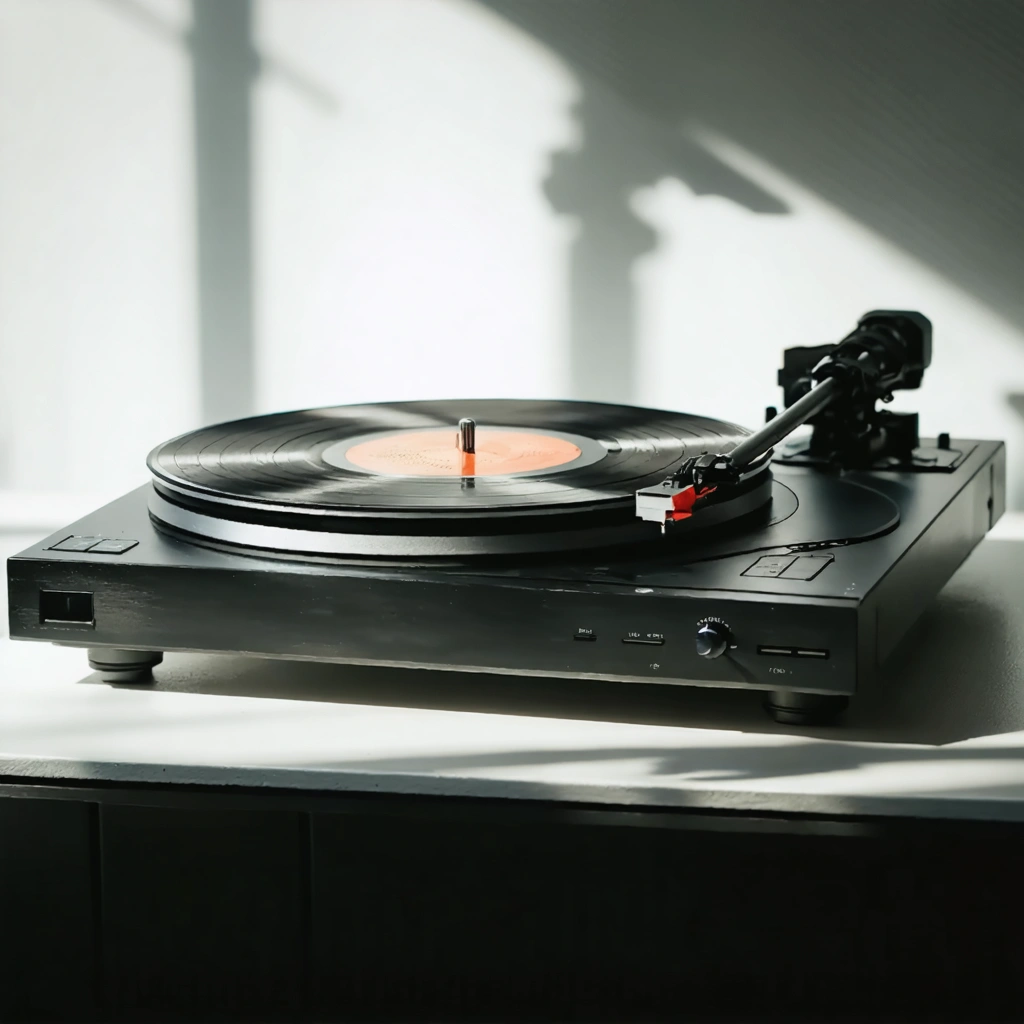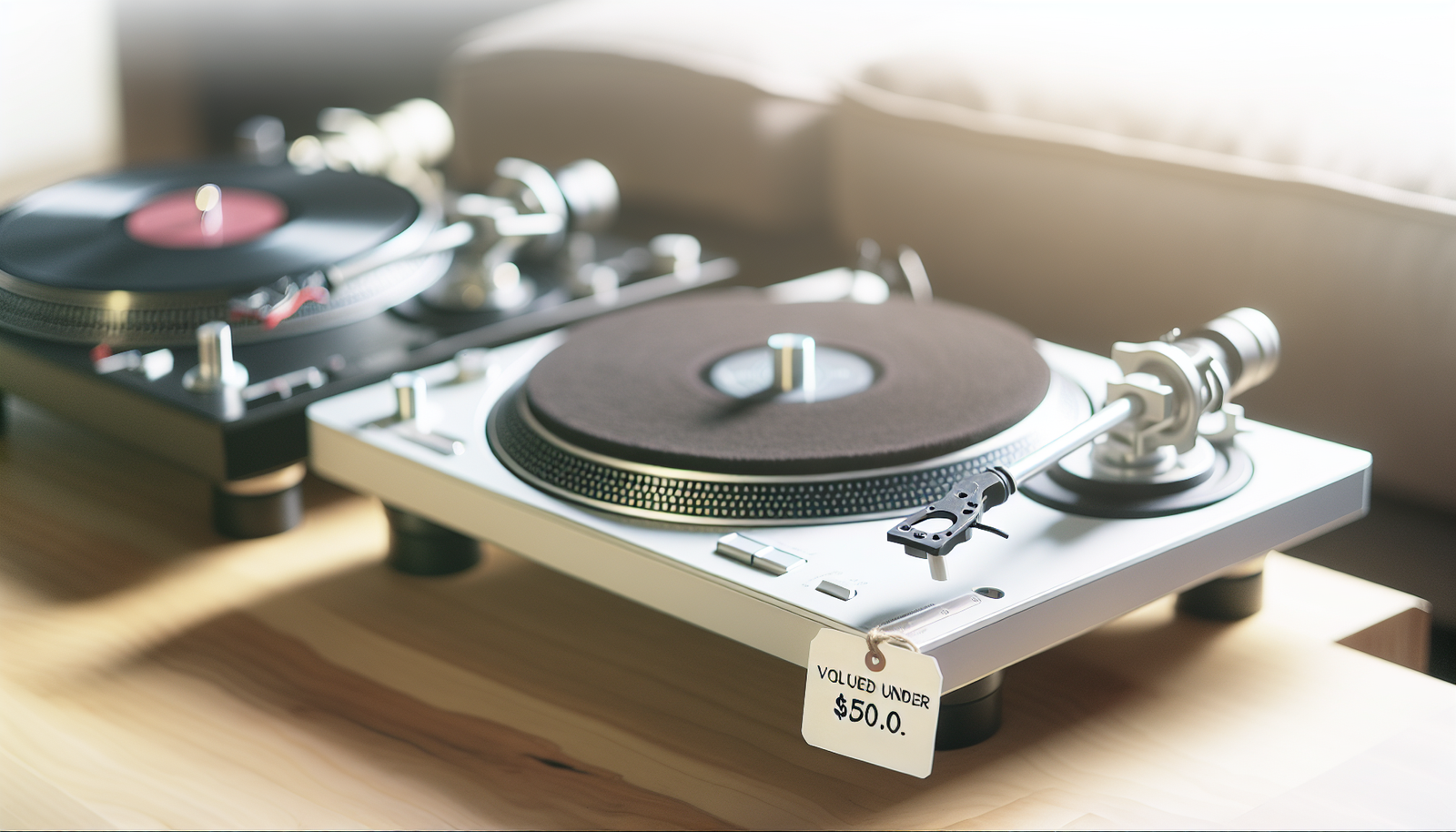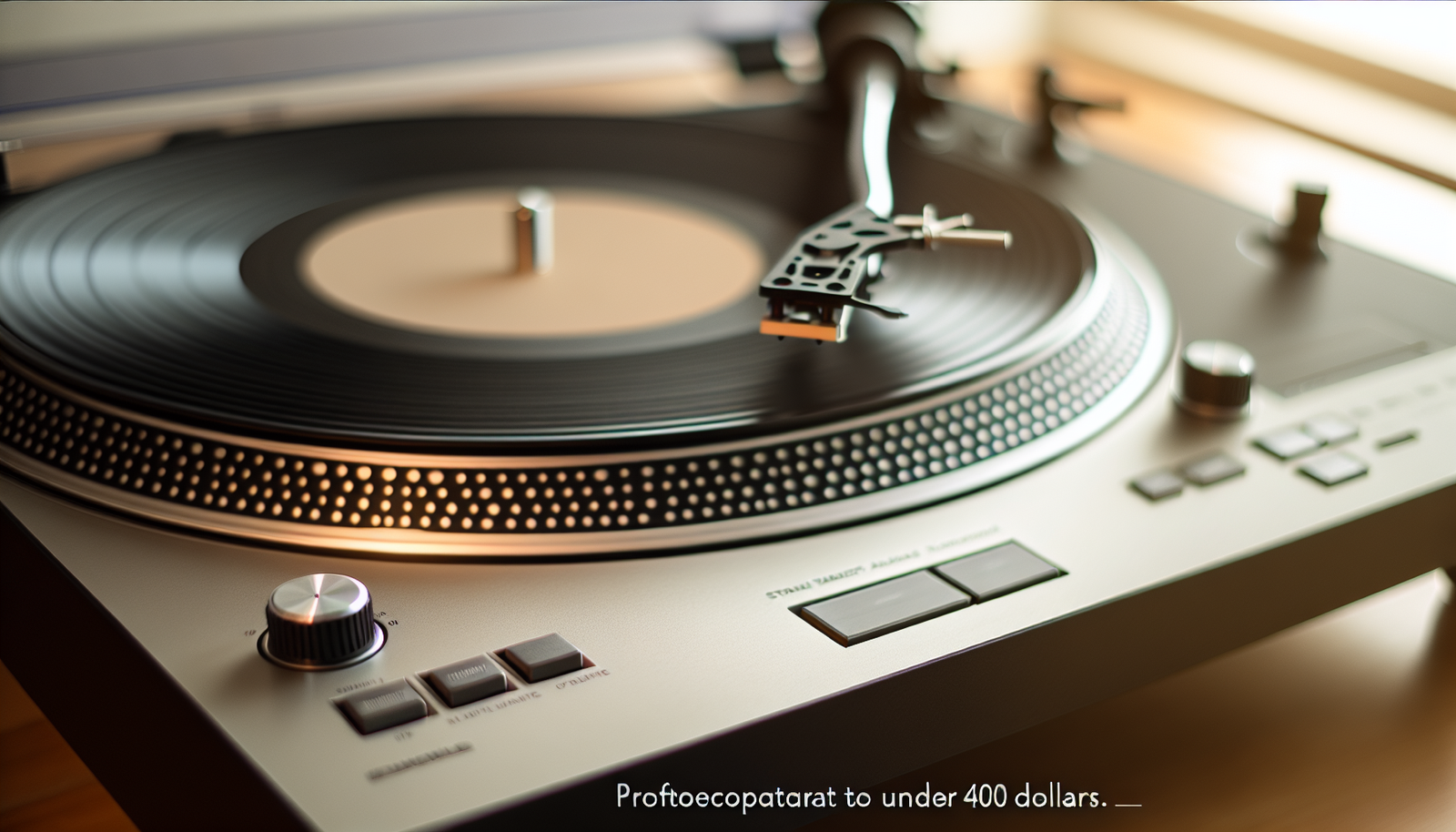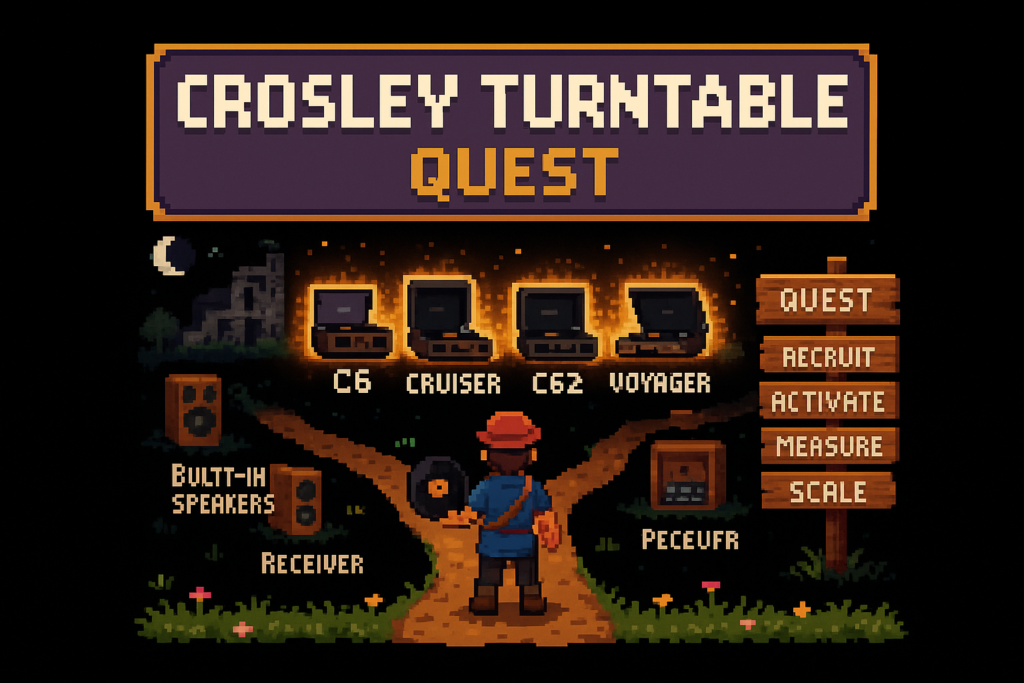
Crosley turntables range from suitcase-style all-in-ones with built-in speakers to more serious belt-drive models that work better with external speakers. If you want the best Crosley turntable for most beginners, the C6 is the strongest all-around pick.
Quick Answer
If you want the best Crosley turntable for most beginners, start with the Crosley C6. It’s the most balanced pick here, with a real starter-deck feel, better upgrade potential, and a cleaner path to external speakers.
If you’re shopping on a tight budget, the Crosley Cruiser is still the cheapest all-in-one option. It’s the one to buy if you want records spinning fast in a dorm, bedroom, or desk setup, and you’re fine with limited sound.
For buyers who want a more serious hi-fi path, the Crosley C62 is the premium choice. It makes the most sense if you plan to pair the deck with a receiver, powered speakers, and a better long-term setup.
The Crosley Voyager lands in the value slot. It’s the middle-ground pick for people who want Bluetooth convenience, simple setup, and a smaller footprint without jumping straight to the cheapest novelty player.
Sound quality improves most when any of these decks is paired with external speakers. A turntable feeding powered speakers or a receiver will usually beat built-in speakers by a wide margin, even before you start thinking about cartridge quality or platter stability.
If you want the fast side-by-side view, the table below makes the differences obvious.
Quick Recommendations
| Product | Rating | Best For | Key Benefit | CTA |
|---|---|---|---|---|
| Crosley C6 | 4.5/5 | Best overall starter deck | Best mix of price, upgrade path, and real turntable basics | Check the Price on Amazon! |
| Crosley Cruiser | 3.5/5 | Cheapest casual listening | Portable all-in-one design with built-in speakers | Check the Price on Amazon! |
| Crosley C62 | 4.4/5 | Premium beginner hi-fi setup | Stronger fit for powered speakers or a receiver | Check the Price on Amazon! |
| Crosley Voyager | 4.0/5 | Value pick for convenience | Bluetooth and simple setup in a compact package | Check the Price on Amazon! |
The table gives the short version, but the next section explains why each pick made the cut.
What We Recommend
Crosley C6
What We Noticed
The C6 feels like the first Crosley model that starts acting like a real starter deck instead of a novelty player. It’s the one I’d point a buyer toward if they want to keep the turntable for years and add better speakers later.
Unexpected Pros
The upgrade path matters here. A belt-drive turntable with a more credible cartridge setup gives you room to improve the system without replacing the whole deck.
Unexpected Cons
It still isn’t a set-it-and-forget-it audiophile machine. If you want the best result, you’ll still need decent powered speakers or a receiver and speakers, plus proper setup.
Things Nobody Talks About
The C6 makes more sense than cheaper all-in-ones because it doesn’t box you into built-in speakers. That matters once you realize the speaker section, not the logo, is usually what makes a budget player sound thin.
Real-World Considerations
A first-time buyer with a small apartment can start here and avoid the dead-end feel of a suitcase player. If you’re already thinking about a phono preamp, external amplification, and better playback later, this is the safer buy.
Crosley Cruiser
What We Noticed
The Cruiser is still the budget pick because it solves one problem fast: it gets a record spinning with almost no setup. For a desk, dorm, or casual corner of a room, that convenience is the whole pitch.
Unexpected Pros
It’s easy to understand, easy to move, and easy to live with if your expectations stay low. For a buyer who just wants a portable record player with speakers, that simplicity has value.
Unexpected Cons
The sound limits show up quickly. Built-in speakers, a basic ceramic cartridge, and the usual compromises in tracking force and platter stability mean this is not the deck for someone chasing clean stereo playback.
Things Nobody Talks About
Cheap doesn’t automatically mean harmless. A low-cost player can still affect records if the stylus and tracking setup are rough, which is why I wouldn’t treat the Cruiser as a throwaway toy.
Real-World Considerations
This is the right call for a first-time buyer with a small desk setup who wants the lowest entry price. It’s also the model most likely to satisfy someone who knows they’re buying convenience first and sound quality second.
Crosley C62
What We Noticed
The C62 is the strongest fit for a buyer who wants a more credible hi-fi path without leaving the Crosley family. It’s the premium option because it’s the one most likely to make sense with powered speakers, a receiver, and future upgrades.
Unexpected Pros
The better deck architecture gives it more staying power. If you care about cartridge quality, output options, and a setup that doesn’t feel disposable, the C62 is the one that earns the higher spend.
Unexpected Cons
It costs more, and that extra money only pays off if the rest of the system is ready. Put it on weak speakers and you’ll waste the advantage.
Things Nobody Talks About
A better turntable can still sound mediocre in a bad room. Bare walls, a bad shelf, and tiny speakers will flatten the gains fast, so the C62 only makes sense if the rest of the chain is ready.
Real-World Considerations
A buyer who plans to keep upgrading over time should look hardest at this model. It’s the better fit for someone who already owns a receiver or wants to build toward one.
Crosley Voyager
What We Noticed
The Voyager is the value pick because it sits between the cheapest all-in-one and the more serious starter decks. It’s aimed at buyers who want Bluetooth convenience and a simpler setup without going all the way downmarket.
Unexpected Pros
The convenience is real. If your room is small and you care more about easy pairing than wired purity, Bluetooth can make the deck easier to live with.
Unexpected Cons
Bluetooth adds convenience, not better analog playback. If you’re chasing sound quality, a wired connection to powered speakers or a receiver still wins.
Things Nobody Talks About
A lot of buyers confuse “easy to use” with “good sounding.” Those aren’t the same thing, and the Voyager is a good example of that split.
Real-World Considerations
This is the one for a buyer who wants a compact setup and doesn’t want to think too hard about wiring. It’s a practical middle ground, especially if the alternative is never buying a turntable at all.
Once you know the top picks, the next step is understanding how we judged them.
How We Chose
Criteria
We scored each Crosley model on room fit, speaker setup, cartridge quality, upgradeability, and record safety. That means a player with Bluetooth and built-in speakers didn’t automatically score higher than a quieter, better-built deck with a proper output path.
Sources
The comparison lens is based on real home and apartment use, not showroom listening. I’m looking at how these decks behave on desks, shelves, and living-room stands with normal powered speakers, a receiver, and the kind of placement most buyers actually use.
Methodology
The main comparison points were drive type, cartridge type, Bluetooth, built-in speakers, and output options. I also weighed tracking force, anti-skate, and whether the deck gives you a clean path to a phono preamp or line-level connection.
A buyer with powered speakers needs a different recommendation than someone who wants a self-contained player on a bookshelf. That’s the whole point of the scoring: match the deck to the setup, not just the sticker price.
Now that the scoring is clear, here is what actually matters before you spend money.
What Actually Matters
What is worth paying for
Cartridge quality, output options, and platter stability matter more than brand familiarity. A moving magnet cartridge and a proper RCA output usually give you a better long-term path than a flashy feature list.
What is overrated
Built-in speakers are convenient, but they usually cap stereo separation and bass response. They’re fine for casual listening, yet they rarely make a living room setup sound full.
What is a gimmick
Bluetooth is useful, but it isn’t a sound-quality upgrade. It helps with convenience and placement, especially in small rooms, but it won’t beat a wired path into powered speakers or a receiver.
What we noticed in real rooms
The same player can sound acceptable on a desk and thin in a larger room. That’s usually not the Bluetooth chip’s fault, it’s the speaker section, the room, and the fact that tiny built-in drivers can’t move much air.
A buyer who sees Bluetooth and built-in speakers on the box can assume the deck is “complete.” In practice, the output path matters more than the badge, especially if you care about record protection and long-term satisfaction.
Common Mistakes Buyers Make
Buying the cheapest suitcase model and expecting hi-fi sound
The Cruiser solves a convenience problem, not a fidelity problem. If you want rich playback, the built-in speakers and basic cartridge setup will get in the way.
Assuming built-in speakers will be enough for a living room setup
They’re fine for a bedroom or desk, but they usually fall apart in a bigger room. The result is thin sound that makes the turntable look worse than the speaker section really is.
Ignoring cartridge and stylus quality because the brand name looks familiar
A familiar logo doesn’t protect your records. The cartridge and stylus still determine how the groove gets traced, which affects both sound and wear.
Not checking whether the turntable has a proper phono output or line output
If the output doesn’t match your speakers or receiver, you’ll fight the setup from day one. That’s how buyers end up with a deck they can’t connect cleanly.
Choosing Bluetooth over wired playback when sound quality matters more than convenience
Bluetooth is handy, but it compresses the signal path. If you already own powered speakers or a receiver, wired playback usually gives you the better result.
Skipping external speakers and then blaming the turntable for thin sound
This is the classic mistake. The player gets blamed, but the real problem is often the tiny speaker section or the lack of proper amplification.
Overlooking upgradeability, which matters if the buyer plans to keep the deck long term
If you think you’ll stay with vinyl, buy for the next few years, not the next weekend. A deck that can grow with a better cartridge, preamp, or speaker setup saves money later.
Confusing a portable novelty player with a serious starter turntable
A portable player is a convenience object first. If you want a real hi-fi path, start with a belt-drive turntable and external speakers instead.
If you’re still deciding, the next section helps match the right Crosley to your setup.
Which Product Is Right For You?
If you’re shopping Crosley because you want an easy first record player, the real question isn’t whether the brand is popular. It’s which Crosley model fits your room, your speakers, and how much record wear you’re willing to accept.
A dorm-room buyer with no speakers should shop differently than someone who already owns a receiver and bookshelf speakers. That split matters more than the logo on the lid.
Here’s the practical rule: buy for your setup first, then for features like Bluetooth. Once the right path is clear, the product-by-product reviews fill in the details.
Choose a suitcase player if you want the cheapest all-in-one option for casual listening.
A Crosley Cruiser makes sense if you want the lowest-friction path into vinyl and you’re fine with built-in speakers, modest output, and a portable form factor. It’s the kind of buy that works in a bedroom, dorm, or guest room where convenience beats fidelity.
Micro-scenario: a freshman moves into a small dorm with no stereo gear and wants to spin thrift-store records on a budget. A suitcase player gets music playing fast, without a separate amp or speaker hunt.
Choose a belt-drive Crosley with external speakers if you want better long-term value.
A Crosley C6 or Crosley C62 is the smarter lane if you can add powered speakers or a receiver. The belt-drive turntable layout usually gives you a steadier path than the suitcase models, and the external speakers do far more for sound than an all-in-one cabinet ever will.
Micro-scenario: a buyer already has a pair of bookshelf speakers and a small receiver in the living room. In that setup, a C6 makes more sense than a Cruiser because the money goes into the deck and the output chain, not tiny built-ins.
Choose a better cartridge and powered speakers if record safety matters most.
If you care about protecting records, look past the cheapest package and pay attention to the cartridge, tracking force, and whether the deck gives you a cleaner signal path. A better cartridge paired with powered speakers or a receiver is usually the safer long-term move.
Micro-scenario: someone with a growing collection of new pressings wants a starter setup that won’t chew through records. That buyer should favor a Crosley C6 or C62 over a suitcase player, then budget for decent powered speakers.
Choose Bluetooth if convenience matters more than wired sound quality.
A Crosley Bluetooth record player is useful in a small apartment, especially if you want to send audio to wireless speakers or headphones without running cables across the room. The tradeoff is simple: Bluetooth adds convenience, not better analog playback.
Myth: Bluetooth is the best option for every beginner. Reality: Wired playback usually sounds better, especially if you already own speakers.
Compare Crosley against Audio-Technica if sound quality and upgrade path matter most.
If you’re choosing between a Crosley and an Audio-Technica, the real question is whether you want brand familiarity or a safer starter deck with a stronger upgrade path. Audio-Technica usually wins on performance and consistency, especially if you already know you’ll keep the turntable for a while.
Micro-scenario: a buyer has a budget for a first setup and can stretch a little for a better deck. In that case, comparing Crosley against Audio-Technica is the right move, because the long-term value often lands with the Audio-Technica side.
Product Reviews
Crosley C6
Summary
The Crosley C6 is the model that makes the most sense for buyers who want a real starter deck instead of a novelty player. It’s a belt-drive turntable with a more serious signal path than the suitcase models, and it works best with powered speakers or a receiver.
Pros
- Better long-term value than Crosley suitcase players
- Belt-drive design is a step up from the cheapest all-in-ones
- More compatible with external speakers and a proper setup
- Better fit for buyers who plan to keep upgrading
Cons
- Needs more gear to shine
- Not as convenient as a built-in-speaker model
- Still not the same class as stronger Audio-Technica options
Best For
Buyers who already have, or plan to buy, powered speakers or a receiver.
Key Features
- Belt-drive turntable
- External speaker-friendly output
- Better path for setup upgrades
- More practical for record care than a suitcase player
What We Liked
What we noticed right away is that the C6 feels like a turntable first, not a novelty object. That matters because the whole setup makes more sense once you pair it with proper speakers.
Unexpected pros: it pushes buyers toward a cleaner system instead of trapping them in tiny built-in speakers. That’s usually where the better sound starts.
What Could Be Better
It’s not plug-and-play in the same way a Cruiser is, and that will turn off some beginners. You also need to budget for speakers if you don’t already own them.
Unexpected cons: buyers sometimes assume “better deck” means “better out of the box,” but that’s not how this one works.
Bottom Line
The C6 is the best overall Crosley pick for most beginners who want a real starter setup. If you can add speakers, it’s the model I’d point to first.
Crosley Cruiser
Summary
The Crosley Cruiser is the classic suitcase record player, and it stays popular because it’s cheap, portable, and easy to understand. It’s not the best sound-quality play, but it does exactly what a lot of casual buyers want: it plays records with almost no setup.
Pros
- Lowest barrier to entry
- Built-in speakers keep the setup simple
- Portable and easy to store
- Good for casual listening and small spaces
Cons
- Built-in speakers limit sound quality
- Ceramic cartridge and basic output path cap performance
- Less friendly to records than better starter decks
- Weak upgrade path
Best For
Dorm rooms, guest rooms, and buyers who want the cheapest all-in-one option.
Key Features
- Suitcase design
- Built-in speakers
- Bluetooth on some versions
- Three-speed playback
- Ceramic cartridge on many models
What We Liked
The Cruiser is easy to hand to a beginner without a wiring lesson. That simplicity has value, especially if the buyer just wants to hear records without buying extra gear.
What we noticed is that the portability is real. You can move it from room to room without thinking about speaker placement or cable runs.
What Could Be Better
Sound quality is the obvious weak point, and the built-in speakers are the main reason. If you care about stereo separation or fuller playback, you’ll outgrow it fast.
Things nobody talks about: the convenience can hide the fact that you’re paying for a lot of plastic and very little upgrade room.
Bottom Line
The Cruiser is fine for casual use, but it’s not the best long-term buy. It’s the budget choice, not the best sound choice.
Crosley C62
Summary
The Crosley C62 sits higher in the lineup and aims at buyers who want a more complete home setup. It’s the premium Crosley option here, and it makes more sense than the suitcase players if you’re trying to build a room-based system.
Pros
- More serious home-listening direction
- Better fit for external speakers
- Stronger long-term value than portable models
- Better choice for buyers who want a fuller setup
Cons
- Costs more than entry-level Crosley models
- Still needs the right speakers to justify the spend
- Not as universally recommended as a simple Audio-Technica starter deck
Best For
Buyers who want a premium Crosley and plan to build around it.
Key Features
- Belt-drive turntable
- External speaker support
- More home-audio oriented than the Cruiser
- Better upgrade path than suitcase models
What We Liked
The C62 feels like Crosley trying to compete in a more serious lane. That’s useful if you want the brand but don’t want the suitcase format.
Unexpected pros: it makes more sense in a living room than in a dorm, and that’s where it earns its keep.
What Could Be Better
The price jump can make it harder to justify versus Audio-Technica or other entry-level belt-drive decks. Once you’re spending more, the competition gets tougher.
Real-world consideration: if you already own a receiver and speakers, the C62 can fit nicely. If you don’t, the total cost climbs fast.
Bottom Line
The C62 is the premium Crosley pick, but it’s for a narrower buyer than the C6. It’s best when you want a nicer Crosley and already have the rest of the system in place.
Crosley Voyager
Summary
The Crosley Voyager is the value play for buyers who want convenience without going all the way down to the cheapest suitcase model. It’s a practical middle ground for small apartments and low-commitment setups.
Pros
- Convenient and easy to live with
- Good value for small-room use
- Often a better fit than the Cruiser for buyers who want a little more polish
- Friendly to casual listeners
Cons
- Still not a true hi-fi deck
- Sound quality depends heavily on the output path
- Not the best choice if record safety is your top concern
Best For
Apartment buyers who want convenience and a cleaner everyday experience than the cheapest suitcase option.
Key Features
- Bluetooth on some versions
- Built-in speakers on certain models
- Compact footprint
- Beginner-friendly controls
What We Liked
The Voyager’s appeal is obvious once you put it in a small room. It’s easy to place, easy to use, and less awkward than building a full system from scratch.
What we noticed is that it can be a better lifestyle fit than the Cruiser for some buyers, even if it doesn’t beat the C6 on sound.
What Could Be Better
If you already own speakers, you may be paying for convenience you don’t need. That’s where the value equation starts to tilt toward a wired deck.
Unexpected cons: people often buy it for “better sound” and then realize the real upgrade comes from the speakers, not the player body.
Bottom Line
The Voyager is the value Crosley for buyers who care about convenience and space. It’s a decent fit, but it’s not the model I’d choose if sound quality is the priority.
Product Comparisons
Crosley Cruiser vs Crosley C6
| Feature | Crosley option | Comparison option | Best for |
|---|---|---|---|
| Price | Lower | Higher | Tight budgets |
| Sound quality | Limited by built-in speakers | Better with external speakers | Buyers who want fuller playback |
| Cartridge | Ceramic cartridge on many models | Better starter cartridge path | Record safety and detail |
| Speakers | Built-in speakers | Powered speakers or receiver | Real stereo listening |
| Durability | Basic portable build | More traditional deck design | Longer-term use |
| Upgrade path | Limited | Better | Buyers who may expand later |
The Cruiser is about convenience, while the C6 is about building a better system. If you already own speakers, the C6 is the smarter buy almost every time.
Crosley C6 vs Audio-Technica AT-LP60X
| Feature | Crosley option | Comparison option | Best for |
|---|---|---|---|
| Price | Usually close | Usually close | Budget shoppers |
| Sound quality | Good for the category | Usually stronger | Buyers prioritizing playback |
| Cartridge | Varies by model | Moving magnet cartridge | Better tracking and upgrade path |
| Speakers | Needs external speakers | Needs external speakers | Room-based setups |
| Durability | Good enough | Often more trusted | Long-term ownership |
| Value | Strong if you want Crosley | Stronger for sound-first buyers | First real turntable buyers |
This is the comparison that matters if you care about performance. The AT-LP60X usually wins on sound and consistency, while the C6 wins if you specifically want Crosley and a simple belt-drive path.
Crosley suitcase turntables vs Victrola suitcase turntables
| Feature | Crosley option | Comparison option | Best for |
|---|---|---|---|
| Price | Similar | Similar | Budget portability |
| Sound quality | Similar use case | Similar use case | Casual listening |
| Speakers | Built-in speakers | Built-in speakers | Small rooms |
| Cartridge | Often ceramic cartridge | Often ceramic cartridge | Basic playback |
| Durability | Varies by model | Varies by model | Short-term convenience |
| Value | Depends on model | Depends on model | Buyers comparing cheap players |
These two brands overlap a lot, but they’re not identical. Model details still affect output options, cartridge quality, and how satisfied you’ll be after the first week.
Crosley Bluetooth turntables vs wired Crosley turntables
| Feature | Crosley option | Comparison option | Best for |
|---|---|---|---|
| Convenience | Higher | Lower | Small apartments |
| Sound quality | Lower over Bluetooth | Better over RCA | Buyers who own speakers |
| Setup | Easier | Slightly more involved | First-time users |
| Flexibility | Wireless playback | Better wired chain | Home systems |
| Value | Good for convenience | Better for sound | Long-term listeners |
Bluetooth is useful, but wired playback usually gives you better sound. If you already own powered speakers or a receiver, the wired route is the better move.
Alternatives
Audio-Technica AT-LP60X as a safer beginner alternative
If you want a first turntable that behaves more like a proper starter deck, Audio-Technica is the safer lane. The AT-LP60X is a common answer for buyers who want better sound without getting dragged into a complicated setup.
Micro-scenario: a bedroom buyer wants to connect a deck to powered speakers and keep the system simple. The AT-LP60X usually makes more sense than a Crosley suitcase player.
Victrola suitcase players for similar budget and portability
Victrola gives you a similar convenience story: portable, inexpensive, and easy to use. If you’re shopping the lowest tier, the real question is less about brand loyalty and more about which model has the better output options and fit.
Used vintage turntables for buyers willing to add a preamp and speakers
A used vintage deck can be a strong value if you’re okay buying a phono preamp, powered speakers, or a receiver separately. The tradeoff is that you’re taking on more setup work and more risk, so this path fits tinkerers better than first-timers.
Entry-level belt-drive turntables from Fluance or Pro-Ject
Fluance and Pro-Ject are worth a look if you want a cleaner upgrade path and better long-term satisfaction. They usually cost more than a budget Crosley, but the extra spend often buys you a better platform to grow into.
Brand Guide
Crosley, reputation, strengths, weaknesses, best products
Crosley is the brand most buyers recognize first, especially from suitcase players. It wins on portability and easy entry, but its weakest models are still limited by built-in speakers and basic cartridges.
Best products: Crosley C6 for overall value, Crosley C62 for a more premium home setup, Crosley Voyager for convenience.
Victrola, reputation, strengths, weaknesses, best products
Victrola competes hard in the budget and suitcase space. It’s strong on price and portability, but the same caveat applies: the cheapest models are convenience-first, not sound-first.
Best products: suitcase players for casual use, especially if you want a similar budget path to Crosley.
Audio-Technica, reputation, strengths, weaknesses, best products
Audio-Technica is usually the safer sound-quality pick for beginners. It tends to win on cartridge quality, consistency, and upgrade path, which is why it shows up so often in starter recommendations.
Best products: AT-LP60X and other entry-level decks if you want a more serious first turntable.
Materials and Features Guide
Ceramic cartridge vs moving magnet cartridge
A ceramic cartridge is common in cheaper suitcase players. It’s simple and inexpensive, but it usually doesn’t track or sound as well as a moving magnet cartridge.
What it means in practice: if you want better detail and a more forgiving setup, moving magnet is usually the better sign.
Belt drive
A belt-drive turntable uses a belt to spin the platter instead of a direct motor connection. That setup often helps reduce motor noise and is a better fit for entry-level hi-fi listening.
What it means in practice: belt drive is one reason the C6 and C62 make more sense than the cheapest portable players.
Built-in speakers
Built-in speakers make the player self-contained. That’s handy, but the small drivers and cramped cabinet usually limit sound quality and stereo separation.
What it means in practice: built-ins are fine for casual listening, but they’re not the path to fuller sound.
Bluetooth output
Bluetooth sends audio wirelessly to speakers or headphones. It’s convenient in small rooms, but it adds compression and usually isn’t the best sounding route.
What it means in practice: use Bluetooth for convenience, not as a sound-quality upgrade.
RCA output
RCA output is the standard wired connection for turntables. It lets you send audio to powered speakers, a receiver, or a phono preamp.
What it means in practice: if you already own speakers, RCA is usually the better path.
Phono preamp
A phono preamp boosts the tiny signal from a turntable so your speakers or receiver can use it. Some decks include one, and some expect you to use an external unit.
What it means in practice: if your speakers or receiver don’t have phono input, you need a preamp somewhere in the chain.
Anti-skate
Anti-skate helps the stylus track evenly across the record. It keeps the needle from pulling too hard to one side.
What it means in practice: it’s not fluff, and it matters more than most beginners realize.
Tracking force
Tracking force is the pressure the stylus puts on the record. Too much pressure can wear records faster, and too little can cause skipping.
What it means in practice: correct tracking force is part of record safety, especially on cheaper decks.
Platter stability
Platter stability is how steadily the record spins. Better stability helps keep pitch and playback more consistent.
What it means in practice: unstable platters are one reason cheap players can sound rough even when the record is clean.
Auto-stop
Auto-stop shuts the platter off at the end of a record. It’s a convenience feature that can also help reduce needless stylus wear.
What it means in practice: useful for beginners, especially if you forget a side is done.
Three-speed playback
Three-speed playback means the deck can play 33 1/3, 45, and sometimes 78 RPM records. That covers most common vinyl formats.
What it means in practice: it’s standard on many beginner players, but it doesn’t tell you much about sound quality by itself.
Frequently Asked Questions
What is the best Crosley turntable for a beginner?
The best Crosley turntable for most beginners is the Crosley C6. It gives you a better long-term path than a suitcase player because it works better with powered speakers or a receiver. If you want the cheapest possible all-in-one, the Cruiser is easier, but the C6 is the smarter starter if you can add speakers.
Are Crosley turntables actually worth buying?
Some are, some aren’t. The suitcase models are worth buying only if you want convenience, portability, and a low entry price. The Crosley C6 and C62 are more worth considering because they fit a real home setup better.
Which Crosley models are best for playing records safely?
The safer picks are the Crosley C6 and C62, especially when paired with proper speakers and a cleaner signal path. Record safety depends on tracking force, cartridge quality, and platter stability, not just brand name. The cheapest suitcase players are more likely to be a compromise.
Do Crosley turntables need external speakers?
Not all of them, but the better-sounding ones usually do. Suitcase models have built-in speakers, while the C6 and C62 are better with powered speakers or a receiver. If you want fuller sound, external speakers are the move.
What is the difference between a Crosley suitcase player and a Crosley hi-fi turntable?
A suitcase player is an all-in-one portable unit with built-in speakers and a basic cartridge. A Crosley hi-fi turntable is closer to a traditional deck, usually with a belt-drive design and a better path to external speakers. The hi-fi model is the better choice if sound quality matters.
Are Crosley turntables good for apartments or small rooms?
Yes, especially if you want a compact setup. A Crosley Voyager or a suitcase player can work well in a small apartment because they don’t need much space. If you already have room for powered speakers, though, a C6 will usually give you better sound in the same footprint.
Which Crosley turntable is best if I want Bluetooth?
Look at the Crosley Voyager or Bluetooth-equipped Crosley suitcase models. Bluetooth is useful if you want wireless playback to speakers or headphones. Just keep in mind that wired playback usually sounds better.
How do Crosley turntables compare with Victrola models?
They overlap a lot in the budget and suitcase categories. Both brands sell portable players with built-in speakers, and both are aimed at beginners. The better choice usually comes down to the exact model, output options, and cartridge quality.
Are Crosley turntables bad for records?
The cheapest ones can be rougher on records than better starter decks. That risk comes from tracking force, cartridge quality, and platter stability, not just the brand itself. If record protection matters, step up to a Crosley C6 or compare Crosley against Audio-Technica.
Is Crosley better than Victrola?
Not across the board. Crosley has stronger name recognition, but Victrola offers similar budget and portable options. The better brand depends on the model, your room, and whether you care more about convenience or sound.
Do Crosley turntables have Bluetooth?
Some do, and some don’t. Crosley Bluetooth record player models are handy for wireless listening, especially in small rooms. If you already own speakers, wired playback is still the better sounding option.
Can you connect Crosley turntables to speakers?
Yes, many Crosley models can connect to powered speakers or a receiver through RCA output. That’s one of the main reasons the C6 is a better buy than a suitcase player. If your speakers need phono input, check whether the turntable includes a phono preamp.
What is the difference between Crosley Cruiser and Crosley C6?
The Cruiser is a suitcase player with built-in speakers and a convenience-first design. The C6 is a belt-drive turntable that works better as part of a real system with external speakers. If you care about sound and upgradeability, the C6 wins.
How much should I expect to spend on a good Crosley turntable?
For a decent Crosley, expect to spend more than the absolute cheapest suitcase models if you want better sound and a better upgrade path. The C6 and C62 usually make more sense once you factor in speakers or a receiver. A low sticker price can hide the cost of a weak setup.
Which Crosley model is the best value for the money?
The Crosley Voyager is the value pick if you want convenience and a compact footprint. The C6 is the better value if you care about long-term ownership and sound quality. Which one wins depends on whether you already own speakers.
Can I upgrade the cartridge or stylus later?
Sometimes, but not always in a meaningful way. That’s one reason the model choice matters so much up front. If upgradeability matters, start with a Crosley C6 or compare against Audio-Technica.
Is a Crosley turntable a good first buy, or should I spend more on Audio-Technica?
If you want the easiest first buy, Crosley can work, especially in the suitcase category. If you want a safer first turntable with a better sound-quality path, Audio-Technica is usually the better spend. The gap gets bigger once you already own speakers.
How long will a Crosley turntable last with normal home use?
That depends on the model and how hard you use it. A better Crosley like the C6 or C62 should hold up better than a cheap suitcase player under normal home use. If you plan to keep it for years, buy for the setup you want next, not just the one you can afford today.
What is the best Crosley Cruiser vs Victrola Journey?
Both are in the same budget-and-portability lane, so the better choice usually comes down to the exact feature set and price on the day you shop. If you want a quick answer, compare built-in speakers, Bluetooth, and output options first. The brand name matters less than the model details.
What is the best cheap record player with speakers?
If you want the cheapest all-in-one path, a Crosley Cruiser or a similar Victrola suitcase player is the usual answer. Just keep expectations realistic, because built-in speakers are a convenience feature, not a sound-quality feature. If you can stretch a little, a turntable plus powered speakers is the better buy.
Final Recommendation
Best overall: Crosley C6. It’s the strongest mix of value, setup flexibility, and long-term usefulness for most beginners.
Budget: Crosley Cruiser. Buy it if you want the cheapest all-in-one player and you’re fine with casual sound.
Premium: Crosley C62. Choose it if you want a more serious Crosley and already have a home setup to support it.
Value: Crosley Voyager. It’s the convenience pick for small rooms and buyers who want a compact, easy system.
If you want the easiest next step, start with the model that matches your room and speaker setup, not the one with the lowest sticker price.