01Setup and first impressions
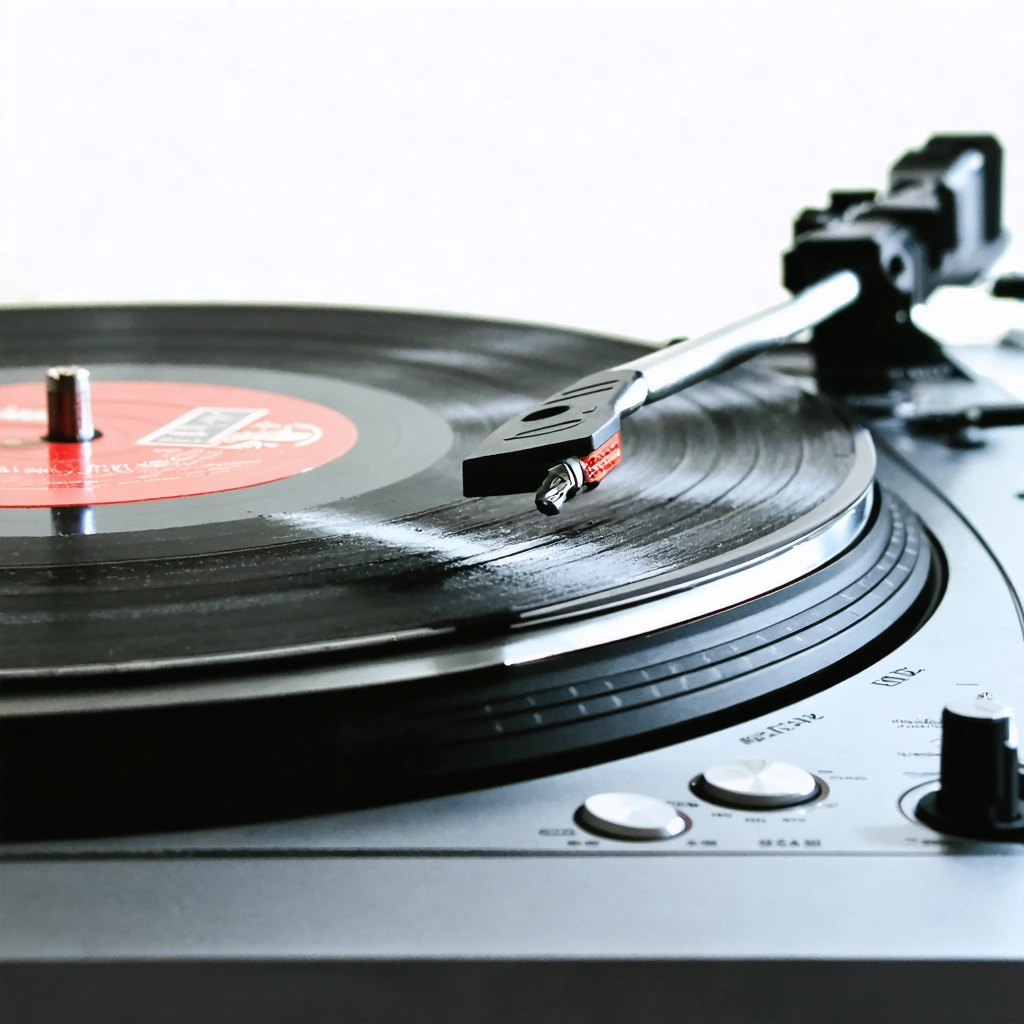
The AT-LP60XBT is one of those turntables I can recommend to someone who just wants to get records spinning without turning it into a weekend project. I had it up and running in minutes, and that’s really the whole point here: it’s built for people who want the least possible friction between opening the box and hearing music.
Everything about the deck feels intentionally simple. The fully automatic operation means I’m not hovering over the platter, and the controls are laid out in a way that makes sense immediately, even if this is the first turntable I’ve used in years.
It also has that reassuring “plug it in and stop thinking about it” vibe that a lot of entry-level decks promise but don’t always deliver. This one actually does the job without making me babysit it.
The LP60XBT is lightweight and compact, and that definitely shapes the experience. It doesn’t have the heavy, furniture-like presence of a more serious deck, but it also doesn’t feel flimsy in a way that bothers me once it’s sitting on a stable shelf.
I’d call the design clean and practical rather than exciting. It looks like what it is: a straightforward, consumer-friendly turntable that’s trying to disappear into a living room instead of becoming the centerpiece of one.
What matters more is that the basic mechanics feel dependable enough for casual use. I wouldn’t buy it expecting a tank, but I also wouldn’t be nervous about using it every day for normal listening.
03Sound quality for everyday listening
For what it is, the sound is perfectly respectable and easy to live with. I hear a presentation that’s smooth and forgiving, which makes it a nice match for records that aren’t in perfect shape or systems that might otherwise sound a little sharp.
It’s not the kind of turntable that makes me sit up and start dissecting microdetail. Instead, it gives me a relaxed, listenable version of my records that works well for background sessions, casual albums, and people who care more about enjoying the music than analyzing every last layer.
That said, I can also hear where the ceiling is. If someone is already chasing more texture, separation, or bass control, this deck is going to feel like a starting point rather than a destination.
04Bluetooth and connection options
The Bluetooth feature is the big reason a lot of people end up looking at this model, and I get why. It makes the turntable much easier to fit into a modern setup, especially if I want to use wireless speakers or a compact system without extra boxes and cables.
In practice, it’s convenient in the way Bluetooth should be: quick, flexible, and low effort. I like that it opens the door for people who don’t already own a traditional hi-fi stack, because that’s exactly the sort of setup this deck is meant to serve.
At the same time, I’d still treat the wired connection as the more serious option if sound quality is the priority. Bluetooth is great for convenience, but it’s the kind of convenience that comes with the usual tradeoff in fidelity.
05Everyday use and living with it
This is the sort of turntable I can imagine actually sticking around in a real home because it doesn’t ask much from me. The automatic operation, simple controls, and low-maintenance nature make it easy to use on a weeknight when I just want to put on a record and relax.
I also appreciate that it’s not trying to be precious. There’s no ritual to it, no fiddly setup, and no guilt if I hand it to someone else and let them use it without a tutorial.
That ease is a big part of the appeal, but it also defines the limits. If I’m the kind of listener who enjoys tweaking cartridges, swapping parts, and slowly building a system, this isn’t going to scratch that itch.
I think the AT-LP60XBT makes the most sense for someone who wants a simple, reliable entry into vinyl with the bonus of wireless flexibility. It’s especially appealing if the goal is to spin records in a bedroom, office, or casual living room setup without diving into the deeper end of hi-fi.
It’s also a good fit for people who value convenience more than tinkering. If I wanted a turntable that just works, sounds pleasant, and doesn’t demand much attention, this would be high on the list.
What I wouldn’t call it is a long-term upgrade platform for someone serious about squeezing every last bit of performance out of their records. For that, I’d want something more substantial, more adjustable, and more clearly built with future upgrades in mind.