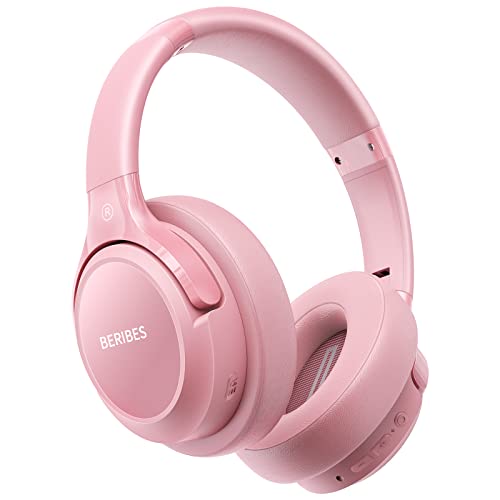
Design, fit, and controls
The design looks like a typical foldable, lightweight over-ear model with an adjustable headband, padded ear cups, and simple controls.
That's a practical setup for casual listening around the house. If you wear glasses, I'd pay close attention to comfort feedback before buying.
Sound, EQ modes, and listening expectations
The tuning is likely consumer-friendly, with enough bass and punch for TV, streaming, and playlists.
That's not the same as clean separation, texture, or detail. Specs can look nice on the box, but tuning is what you actually hear.
EQ modes are a nice extra. Still, they won't perform miracles.
Battery, connectivity, and wired backup
Battery life is one of the main selling points here, but real use always depends on volume and connection habits.
I'd treat the headline number like highway MPG on a used car. It tells you something, but not exactly what you'll get at home.
Bluetooth 5.3 is useful for everyday pairing with phones, tablets, and laptops. USB-C charging also matters more than brands like to admit.
The wired backup is the feature I like most here. A 3.5mm cable gives you a fallback when the battery runs low and makes the headphones more flexible for mixed home use.
Vinyl use case, are BERIBES headphones a fit for turntable listeners?
For casual private listening, yes, they can work. If you have a Bluetooth-ready setup and want late-night records without waking the house, they'll probably do the job.
For judging turntable sound quality, I wouldn't use them as the benchmark. Wired mode is the safer move if your turntable, preamp, or receiver supports it.
If you want one pair for records, Zoom calls, and phone listening, BERIBES fits that mixed-use role better than a wired-only pair. If sound quality is your top priority, a better wired headphone is still the smarter buy.