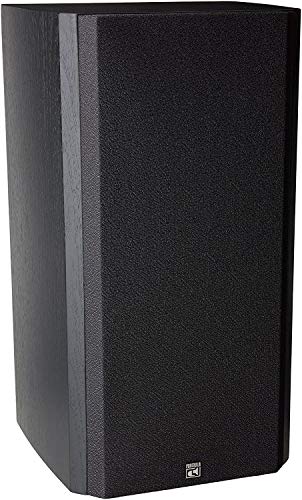
Specs Snapshot
- Speaker type: passive bookshelf/surround speaker
- Power: not powered, needs a receiver or amplifier
- Use case: home theater, casual stereo music, mixed living room systems
- Driver layout: woofer and tweeter bookshelf design
- Electrical load: standard nominal impedance and sensitivity for common receivers
- Connections: speaker wire to rear terminals, with possible banana plug support depending on the binding posts
The important part is what those specs mean in practice. This isn’t a desktop speaker with its own amp inside.
It’s one piece of a larger vinyl playback system.
Turntable Setup Fit
This speaker works in a record setup only when the chain is complete: turntable → phono preamp → stereo receiver → speakers.
If your turntable has a built-in phono preamp, you can skip the separate box. If it doesn’t, you’ll need one.
A Fluance or Audio-Technica deck feeding an entry-level receiver is a realistic match. A suitcase player with no proper outputs isn’t.
Beginners also forget the small stuff: speaker wire, stands, shelf spacing, and sometimes banana plugs.
Placement matters more than the product page suggests. Shove these tight into a corner and the bass can get muddy fast.
Pull them out a bit and aim them toward the listening position, and you’ll usually get better balance.
Passive vs Powered, Which Buyer Should Choose What
Choose the FH-65B if you already own a receiver or want a modular system you can upgrade over time.
That route gives you more flexibility for TV, records, and future speaker swaps.
Choose powered bookshelf speakers if you want fewer boxes and less guesswork. An Edifier-style setup is usually the better call for first apartments, desks, or anyone who just wants to spin records without learning signal flow.