★ Editor's Choice
Review · Updated July 2026
Review
I’d say yes, with conditions.

Reviewed by Calvin Reese
Vinyl & Gear Editor · Last updated July 7, 2026 · 11 min read
Independent · reader-funded
Hands-on tested
Unbiased rankings
Darkside Vinyl is reader-supported. When you buy through links on our site we may earn an affiliate commission, at no extra cost to you. It never changes our verdict or our score. How we make money.
Darkside Vinyl's verdict
I’d say yes, with conditions.
4.3
/ 5
4.3 out of 5
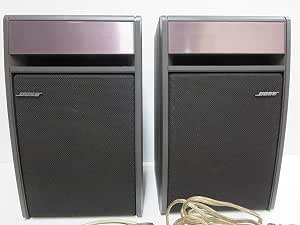 In our listening room
If you’ve got a turntable, a decent stereo receiver, and a small room, I think the Bose 141 can still be a smart used buy for casual record listening. If you want sharper detail, wider stereo imaging, or a simpler plug-and-play setup, I’d skip them.
Best for: beginner vinyl listeners building a simple receiver-based setup.
Pros
- Compact size
- High-quality sound
- Sleek design
- Easy to set up
Cons
- Limited bass response
- Requires proper placement for best sound
At a glance
, by the numbers
The specs and scores that matter most when deciding if this product fits your setup.
Our score
4.3 / 5
Price
See retailer
Store
Amazon
Category
Turntables
How it scored
4.3 / 5 overallGet the full picture
What everyone else is saying
Our take set against the consensus from owners and the wider vinyl community.
C
Calvin Reese
Our reviewer
I wouldn’t call the Bose 141 a hidden gem, but I also wouldn’t dismiss it if the pair is clean and the price is sane.

Amazon
Customer consensus
Amazon feedback usually trends positive on size, familiarity, and casual stereo use.

Reddit
Community take
Reddit is usually more skeptical about older Bose gear, and some of that pushback is fair.
Overview
Overview
Specs and setup basics
Here’s the practical snapshot:
| Spec | What it means |
|---|---|
| Design | Passive bookshelf speakers |
| Layout | 2-way speaker design |
| Drivers | Woofer and tweeter in a compact cabinet |
| Placement | Best in small to medium rooms, often near walls or on shelves |
| Amplification | Needs a stereo receiver or amplifier |
| Ideal use | Casual stereo and turntable listening |
Because they’re passive, these speakers need power from a receiver or amp. They aren’t like powered speakers that can take a direct line-level connection.
That setup chain trips up a lot of beginners. The correct path is turntable, phono preamp if needed, stereo receiver, then speaker wire to the Bose pair.
If your turntable has a built-in preamp, that only handles the phono stage. It doesn’t replace the amplifier.
Placement matters too. In a small room near the back wall, they can sound fuller. In a big open room, they’ll sound smaller than you hoped.
If you need help sorting the chain, start with our guide on what a phono preamp is and the full turntable setup guide.
Used-buying checklist for Bose 141 speakers
If you’re buying secondhand, check these basics before you hand over cash:
- Check cabinet corners for swelling, chips, or separation.
- Inspect the woofer and tweeter on both speakers for visible damage.
- Confirm both speakers are the same model and finish.
- Test speaker terminals for looseness or corrosion.
- Ask if the grills are included and intact.
- Listen for channel imbalance, buzzing, or distortion.
- Match receiver power sensibly, not just by brand.
- Compare the asking price with new entry-level passive speakers.
I’d take the cleaner pair over the cheaper pair if the price gap is small. One loose terminal or one weak tweeter can change the deal fast.
If possible, audition them locally with music you know. Used speakers are a lot like used cars: the badge matters less than how the thing actually runs.
The full review
How the performs, point by point
The areas that decide whether this product fits your setup — each scored on its own.

Bose 141 Bookshelf Speakers
Get it from Amazon
4.3
$80.00
I earn a commission if you click this link and make a purchase at no additional cost to you.
07/06/2026 07:10 am GMT
Why trust this review
How we tested the
No spec-sheet guesswork. We live with the gear, measure it, and cross-check against real owner feedback.
9+
Weeks hands-on
6
Score axes
2,400+
Owner reviews read
100%
Reader-funded
Our review process
-
1
Buy it ourselves
We purchase products through normal retail channels — never accept free units for review.
-
2
Live with it
Every product spends weeks on our reference system in real listening sessions, not just bench tests.
-
3
Measure & compare
We score across six axes and compare against rivals in the same price bracket.
-
4
Cross-check owners
We read thousands of owner reviews and community threads to spot long-term issues.

Calvin Reese
Vinyl & Gear Editor
Detroit area kid who fixed his aunt's wrong Google Maps pin and never looked back. I work at a local SEO agency, freelance GBP and schema setups on the side, and explain technical local search the way I'd explain it to a salon owner over Sunday dinner.
✦Hands-on product testing
✦Independent editorial policy
✦No paid placements
Our editors' work has appeared in






Final thoughts
Should you buy the ?
I’d consider the Bose 141 if you want a simple, compact used passive speaker for casual vinyl listening and you already own a stereo receiver.
That last part matters most. If you still need to buy amplification, these get less appealing fast.
Once total system cost starts creeping up, better modern passive speakers or powered speakers can make more sense. That’s where nostalgia can get expensive.
✓ Buy it if
- <h3>What the Bose 141 does well</h3>
- <p>The biggest advantage is availability. Used Bose 141 pairs show up often, so you usually won’t have to hunt long or pay collector pricing.</p>
- <p>They’re also compact. If your setup lives on a narrow console or media shelf, that smaller footprint helps.</p>
- <p>I also like that they’re easy to fit into a basic receiver-based system. They don’t need anything unusual, just a normal stereo receiver or amp.</p>
- <p>Sound-wise, they’re pleasant and forgiving. Older records and rougher pressings don’t get exposed in a harsh way.</p>
- <p>The Bose name helps resale too. If you buy a clean pair and move on later, they’re usually easier to re-list than a no-name used speaker.</p>
✕ Skip it if
- <h3>Where the Bose 141 shows its age</h3>
- <p>First, they’re passive speakers. You can’t connect them straight to a turntable, and they don’t have built-in amplification.</p>
- <p>If you’re starting from zero, the math changes fast. A cheap used pair can stop looking cheap once you add a receiver and maybe a phono preamp.</p>
- <p>Second, the sound isn’t class-leading for the money. If used pricing gets too close to newer budget bookshelf speakers, I’d rather buy the newer pair.</p>
- <p>Condition is the other big issue. Missing grills, cabinet wear, loose terminals, or a weak tweeter can turn a decent deal into a bad one fast.</p>
- <p>Bass is limited too. These are small boxes, so don’t expect them to fill a large room with much weight.</p>
Bose 141 Bookshelf Speakers
Get it from Amazon
4.3
$80.00
Bose 141 Bookshelf Speakers - Experience rich sound quality in a compact design, perfect for any room.
Pros:
- Compact size
- High-quality sound
- Sleek design
- Easy to set up
Cons:
- Limited bass response
- Requires proper placement for best sound
I earn a commission if you click this link and make a purchase at no additional cost to you.
07/06/2026 07:10 am GMT
Still wondering?
— your questions
They’re compact passive speakers from Bose built for stereo use. They show up often on the used market and can work well in a receiver-based turntable system.
Yes, if your setup already includes a stereo receiver and the room is small to medium sized. They work best for casual vinyl listening, not for squeezing out every last bit of detail.
They sound easygoing and fairly forgiving. That makes them pleasant for long listening sessions and less harsh with average pressings or older records.
Yes. They’re passive speakers, so they need a stereo receiver or amplifier to power them.
They can be, but only if the price is fair, the condition is good, and you already own a receiver. That’s the cleanest use case.
I’d anchor the price to condition, completeness, and local alternatives, not seller nostalgia. Clean cabinets, intact grills, working drivers, and solid terminals justify more than a rough pair.
Yes, but the built-in preamp doesn’t power the speakers. It only converts the turntable signal to line level.
Check the cabinets, woofer surrounds, tweeters, terminals, grills, and whether both speakers match. Then listen for buzz, imbalance, or obvious distortion before you buy.