01Sound and bass performance
What matters most with a sub like this is whether it actually makes outdoor listening feel full, and the Dayton does that job in a pretty straightforward way. I’d describe the bass as more useful than flashy: it gives music some weight and body without turning everything into a muddy rumble.
I liked it most with background music, patio playlists, and movie audio where you just want the low end to show up and do its part. It’s not the kind of sub that tries to impress you with indoor-style chest thump, and honestly that’s fine for an outdoor setup where clean, even bass usually wins.
It blends in best when you keep expectations realistic and let it support the system instead of trying to make it the whole show. If you’re hoping for deep, room-filling bass outdoors, you’ll always be fighting physics a little, but this gets closer than most casual outdoor gear I’ve used.
02Build and outdoor-friendly design
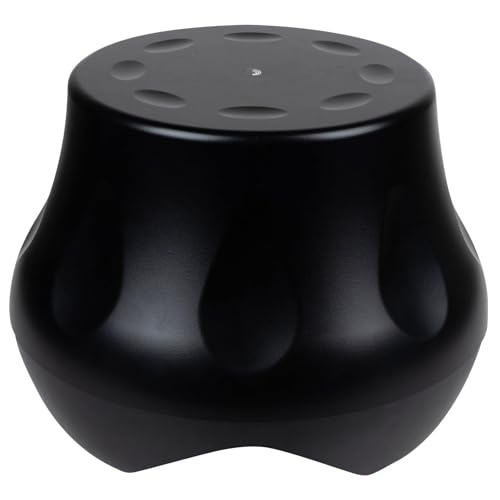
The Dayton looks like something built to disappear into a yard or patio rather than sit there begging for attention. That’s a good thing in this category, because I don’t want outdoor audio gear to look like a science project or a piece of indoor hi-fi dragged outside.
The cabinet feels purpose-built for the environment, with the kind of no-nonsense design I want from something that’s going to live near a deck, fence, or landscaping. It comes across as practical first, which is exactly how I’d want an outdoor subwoofer to behave.
I also appreciate that it doesn’t feel fussy. Outdoor gear should be the kind of thing you install once and then mostly ignore, and this has that vibe in a way that makes sense for a permanent or semi-permanent setup.
03Bluetooth convenience and everyday usability
The Bluetooth side of this is really about convenience, and that’s where it earns its keep. I like being able to just get music going without dragging extra gear into the mix, especially when the whole point is casual listening outside.
In day-to-day use, the appeal is simple: fewer boxes, fewer wires, less hassle. That makes it a lot easier to actually use the system regularly instead of treating it like a weekend project that only comes out when you have the patience for it.
What I’d keep in mind is that Bluetooth convenience is great for easy listening, but it also means you’re living in the same world as every other wireless setup: you want a clean signal path and a sensible layout. For me, it’s a very practical feature, not a gimmick.
04Setup and system matching
This is the kind of product that makes more sense when you already know what the rest of your outdoor system is doing. I’d want it paired with speakers that are comfortable outside and a setup that’s meant to stay put, because that’s where it feels most natural.
The nice part is that it doesn’t seem to demand a complicated ritual to get going. I’d call it friendly for someone who wants better outdoor sound without getting dragged into a full-on audio engineering weekend.
Like any subwoofer, placement matters, and outdoors that becomes even more obvious. I’d spend a little time finding the spot where it supports the system instead of just sitting there as a bass blob, because that small bit of effort pays off fast.
I think this is best for someone building a patio, pool, or backyard system and wanting the low end to feel present without overcomplicating the setup. It’s a practical choice for people who care more about having music sound complete outside than about chasing audiophile drama.
If your main goal is easy, reliable outdoor listening with a little extra body underneath, this fits that lane well. If you’re expecting it to behave like a big indoor subwoofer transplanted into the yard, that’s where disappointment would start creeping in.
For me, the Dayton makes the most sense as a utility piece: something you install to make the whole system sound more finished. It’s not trying to be the star, and that’s exactly why it works in this category.