01Sound and low-end performance
The Dayton Audio SUB-1000 is the kind of subwoofer I think about as a practical bass fixer, not a showpiece. In a small to medium room, it does a solid job filling in the bottom end that bookshelf speakers usually leave behind, and it makes music feel more complete without turning everything into a rumble contest.
What I like most is that it’s easy to get usable bass out of it without a ton of fuss. It’s not trying to sound huge or dramatic all the time, and that actually helps it blend better for everyday listening, especially with vinyl where I want the low end to support the music instead of calling attention to itself.
It’s also the kind of sub that reminds me to keep expectations realistic. If you want deep, room-shaking output for a large space, this isn’t the one I’d reach for, but for adding weight to kick drums, bass guitar, and movie soundtracks in a normal living room, it gets the job done well enough.
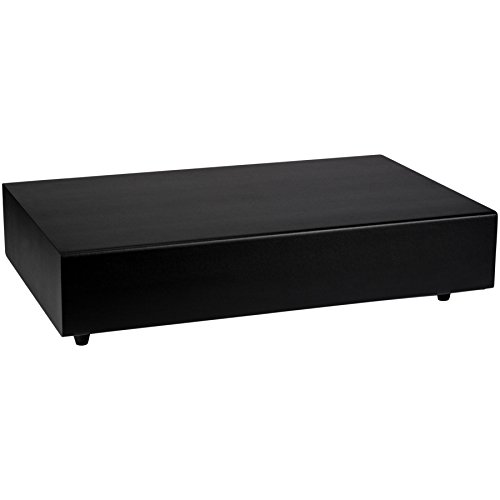
The SUB-1000 looks like what it is: a no-nonsense budget subwoofer built to disappear into a room. I don’t mean that as an insult. It’s plain, boxy, and straightforward, which is exactly what I want from a piece of gear that’s probably going under a table or tucked beside a rack.
The cabinet feels functional rather than fancy, and that matches the whole personality of the sub. I wouldn’t buy it for visual flair, but I also wouldn’t expect it to dominate the room or clash with other gear in a typical setup.
What matters more to me is that it feels like a sensible, durable appliance for bass duty. It’s not trying to impress anyone with premium cosmetics, and that honesty is part of the appeal.
This is one of those subs that makes setup feel approachable even if you’re not deep into home theater or stereo tweaking. The controls are simple enough that I could get it into the ballpark quickly, then spend a little time nudging it until it blended with my speakers instead of fighting them.
I appreciate that it doesn’t demand a complicated system to make sense. If you’re running a basic stereo rig, a compact home theater, or a turntable setup with powered speakers and sub output, it fits into the chain without turning the whole afternoon into a wiring project.
That said, I still found it happiest when I treated placement and crossover settings seriously. Like most budget subs, it rewards a little patience, and the difference between “just there” and “actually integrated” is mostly in the setup, not the hardware alone.
04Connectivity and controls
The control layout is refreshingly simple, which I think is a strength here. You get the basics you actually need, and there’s no clutter of extra gimmicks that make the back panel look more advanced than it really is.
I like gear like this because it doesn’t make me work around unnecessary features. The SUB-1000 is focused on the core job: take a low-frequency signal, let me adjust it sensibly, and stay out of the way once it’s dialed in.
For most people, that’s enough. If you’re the kind of listener who wants a bunch of app control, room correction, or endless tuning options, this is probably going to feel bare-bones, but I’d argue that’s part of how it keeps the price and complexity down.
05Everyday use and who it suits
In day-to-day listening, this is the sort of subwoofer I’d recommend to someone who wants more fullness without making bass the whole personality of the system. It works well for casual music listening, TV, and movie nights, and it’s especially useful if your main speakers are small and need help below the midbass region.
I also think it makes sense for someone building a first real stereo or starter home theater setup. It’s not a luxury piece, but it’s a sensible one, and there’s a lot to be said for a subwoofer that simply makes the system sound more finished.
If your room is large or your taste runs toward serious slam and deep extension, I’d look higher up the ladder. But for a modest setup where you want dependable bass without a lot of drama, the SUB-1000 is easy to understand and easy to live with.