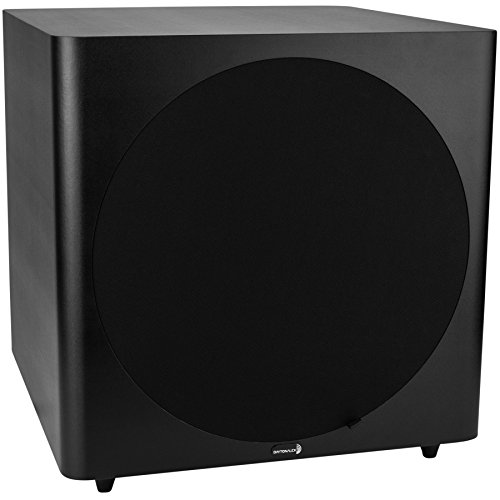
The SUB-1500 really shines when it comes to sound quality, especially in a vinyl setup. With its 15-inch driver, it reaches down low and fills out the lower frequencies that smaller speakers often struggle with. If you’ve ever felt like your records sound great in the mids but thin down low, this sub can bridge that gap and make your system feel whole.
What’s impressive is how it manages to deliver that low-end punch without sounding loose or boomy. In a medium-sized room, with a conservative crossover setting, it can blend seamlessly into your system. The goal here is to enhance the listening experience without calling attention to itself, and the SUB-1500 nails that more often than not.
The build quality of the SUB-1500 is solid, but let’s be real, it’s not going to win any beauty contests. It has a functional finish that doesn’t scream premium, which is fine if you’re more about the sound than aesthetics. However, this isn’t a sub you can just shove into a corner of a small room; it’s a big cabinet that demands space.
That said, the size of the cabinet does serve a purpose. It gives you the scale and depth that smaller subs simply can’t match. Just be prepared to give it the right environment to thrive; otherwise, you might end up with localized bass that can overpower your space.
Setting up the SUB-1500 is refreshingly straightforward, especially with the variety of connection options it offers. The speaker-level inputs are a lifesaver for those of us with older receivers that lack a dedicated sub out. Pairing it with modern gear is just as easy thanks to the RCA line-level inputs.
However, the adjustable low-pass crossover and phase control are what really set this sub apart from budget options. These controls allow you to fine-tune the integration with your existing speakers, which is crucial for avoiding that annoying muddy sound that often plagues subs when they’re not set up correctly.
04Connectivity & Features
The connectivity options on the SUB-1500 are definitely a highlight. Having both line-level and speaker-level inputs means you can make it work with almost any stereo setup, which is a big plus for vinyl enthusiasts who often have older gear. This flexibility makes it easier to add low-end support without overhauling your entire system.
In addition to the inputs, the adjustable crossover and phase switch are features that are often overlooked. They play a crucial role in ensuring that the sub doesn’t just pump out bass but actually works in harmony with your bookshelf speakers. This means you can enjoy a fuller, richer sound without compromising on clarity.
In day-to-day listening, the SUB-1500 proves to be a reliable companion, particularly for those who enjoy rock, funk, or orchestral music. It adds a depth to the soundstage that makes your favorite records come alive. You’ll notice that tracks which previously felt lacking in low-end now have a fullness that makes them enjoyable all over again.
The SUB-1500 is an excellent choice for someone looking to enhance their vinyl setup without breaking the bank. If you’re using compact speakers that need extra low-end support, this sub can make all the difference. Just keep in mind that it performs best in spaces that can accommodate its size and power.