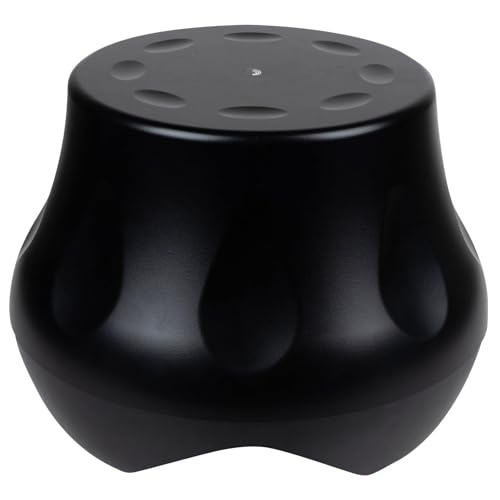
01What It Is and Who It’s For
The Dayton Audio Wireless Bluetooth Subwoofer is basically a simple fix for a very common problem: you want bass where it makes sense in the room, not where your gear rack happens to be. I like that idea a lot, because sub placement is usually the annoying part of building a decent 2.1 setup.
This is the kind of product that makes sense if you’re trying to keep a room clean and uncluttered, or if running a long sub cable would be a pain. It’s not trying to be fancy or audiophile-clever; it’s trying to get a sub connected without making the whole setup feel like a wiring project.
02Setup and Day-to-Day Use
In practice, the appeal here is that it removes one of the messiest parts of subwoofer setup. Once it’s paired and working, I don’t have to think about the connection much, which is exactly how a wireless sub link should behave.
I also appreciate that it keeps the system flexible. If I want to move the sub around the room to tame bass or just get it out of the way, I’m not dragging a long cable with it, and that makes experimenting a lot less annoying.
The main thing I’d want from a product like this is consistency, and that’s where the real test is. A wireless sub link lives or dies by whether it stays out of the way, and the best compliment I can give it is when I stop noticing it after setup.
03Wireless Convenience and Real-World Flexibility
The whole point of this Dayton unit is freedom from a hardwired sub connection, and that’s where it earns its keep. For rooms where the best bass spot is nowhere near the receiver or main speakers, wireless can be the difference between “good enough” and actually enjoyable.
I also like that it opens up more placement options without forcing me to redesign the room around the system. That matters more than people think, especially in living rooms where the sub has to coexist with furniture, walkways, and real life.
Of course, wireless convenience only matters if it doesn’t become a new source of fuss. I’d still treat this as a practical tool first, not a magic upgrade, but for the right setup it can make the whole system feel a lot less locked in.
04Build and Physical Design
Dayton keeps the design straightforward, which is exactly what I want from a box like this. It doesn’t need to be a showpiece, and I’d rather have something plain and functional than a flashy little gadget that feels fragile.
The compact, no-nonsense approach also makes it easier to tuck into an existing setup without drawing attention. That matters in a vinyl room, where I usually want the gear to disappear and let the records do the talking.
What I look for here is simple reliability: solid connectors, a sensible layout, and a unit that doesn’t feel like it belongs in a toy bin. This is utility gear, and it should behave like utility gear.
05Sound and Performance in a Listening Room
With a wireless sub link, the big question is whether it gets in the way of the bass or just passes it along cleanly. In a good setup, I want the sub to sound like it’s part of the system, not like a separate thing hanging off the end of it.
That means no obvious weirdness, no sense that the low end is lagging behind the music, and no constant reminder that the signal is traveling wirelessly. If the connection is doing its job, the bass should still feel anchored and natural.
I’m not looking for this kind of product to add character. I’m looking for it to preserve the character of the system I already built, while giving me more freedom in where the sub actually lives.
06Where It Makes Sense and Where It Doesn’t
This is a smart buy for people who already know they want a subwoofer in the room but don’t want to deal with running cable across it. It’s also a good fit if you’re constantly rearranging gear, because wireless makes those changes a lot less annoying.
On the other hand, if your setup is already simple and a cable run is easy, the value here is more about convenience than necessity. I’d call it a problem-solver, not a must-have for every system.
For me, that’s the right way to think about it. It’s not the sexy part of a vinyl system, but it can make the whole thing easier to live with, and that counts for a lot once the novelty of new gear wears off.