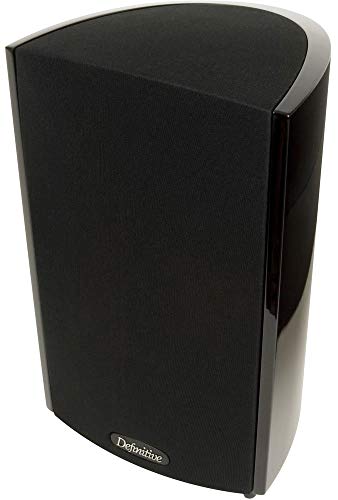
Turntable setup fit
The first checkpoint is wiring. This is a passive speaker, so an amp or receiver is always required.
A Fluance or Audio-Technica deck with a built-in phono stage can feed a Yamaha receiver, which then powers these speakers with no extra preamp box. A turntable without that built-in stage may need a separate phono preamp, depending on your receiver.
| Requirement |
Answer |
What it means |
| Amp required |
Yes |
You need a stereo receiver or integrated amp |
| Phono preamp required |
Maybe |
Depends on your turntable and whether your amp has phono input |
| Ideal room size |
Small to medium-small |
Best at moderate listening distance, not big open rooms |
| Subwoofer recommended |
Optional to recommended |
Fine without one for clarity-first listening, better with one for fuller low end |
For setup basics, see this turntable setup guide, our phono preamp guide, and the main turntables section.
Sound character and room match
The sound is clear, compact, and controlled. It isn't huge, and that's the right expectation to bring into the room.
In a small living room with stands and a couch about eight feet back, it can sound focused and tidy. In a larger open-plan room, that same setup may feel light on low-end body unless you add a subwoofer or move up to a bigger speaker.
Specs like sensitivity and impedance matter, but only because they tell you how friendly the speaker is with normal amps. They don't tell the whole story.
The BDSS driver, aluminum dome tweeter, and passive radiator shape the character here. You get good detail and respectable scale for the size, but not the kind of bass that fakes a larger cabinet.