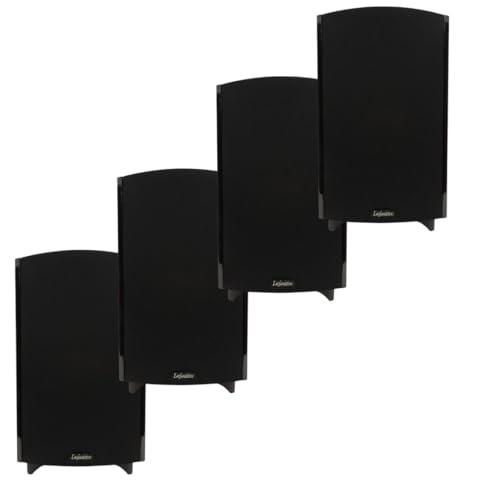
Sound quality for vinyl listening
The sound is clear, lively, and tidy. The BDSS driver and aluminum dome tweeter give vocals, guitars, and cymbals good definition without pushing things into harsh territory.
On acoustic records or vocal-heavy albums, these sound focused and open. You get better stereo placement and a more believable soundstage than with many cheap all-in-one options.
That said, the bass has limits. Small bookshelf speakers don't have to sound thin, but they do have a ceiling.
If your library leans hard into bass-heavy music, you'll probably want more cabinet or a subwoofer.
What the specs mean in practice
An 8-ohm nominal impedance and 90 dB sensitivity mean these aren't unusually hard to drive. You don't need exotic gear, just a decent stereo receiver or amplifier with clean power.
The binding posts work with regular speaker wire, and banana plugs can make setup cleaner if your amp supports them.
Don't overthink the spec sheet. Good placement and a competent amp matter more than brag numbers.
A common mistake goes like this: someone sees the impedance rating, assumes any old amp will do, then buries the speakers on a shelf and blames the speakers.
The chain and placement still matter.
Music vs home theater, where they fit best
If you're buying one pair for both records and TV, this is where the ProMonitor 1000 earns its keep.
In a small living room, they can handle music-first listening and still do a solid job with dialogue and everyday streaming.
For vinyl, the appeal is detail and imaging. For TV and movies, the compact size and clear presentation help more than raw impact.
If movie bass and action-heavy sound matter a lot, add a subwoofer or move up to a larger speaker.
Home theater speakers aren't automatically bad for vinyl. That idea usually falls apart the minute the setup is matched well.