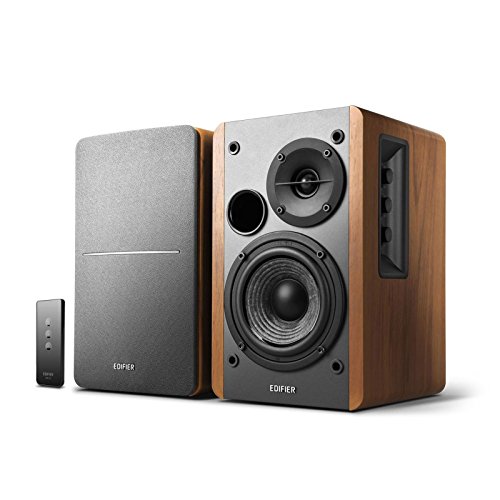
01Sound Quality: Clean, Controlled, and a Little More Serious Than Most Wireless Bookshelves
What I noticed first with the Xeo 2 is how composed they sound when the room gets busy. They don’t smear everything together the way a lot of compact wireless speakers can, and that makes them easy to live with for long sessions. I kept coming back to how tidy the midrange was, especially on vocals and guitars, where they stayed clear without sounding etched.
The bass is more disciplined than dramatic, which is honestly the right move for a speaker this size. It has enough weight to keep rock, soul, and electronic stuff from feeling thin, but it doesn’t pretend to be a subwoofer replacement. If you want big, room-shaking low end, you’ll want help elsewhere; if you want bass that stays in line, these do that well.
Treble is smooth rather than flashy, and that suits the overall personality. I never felt like I had to tame them because they were getting sharp or brittle, even with brighter recordings. They’re the kind of speakers that let me listen longer without fatigue, which matters more to me than a quick wow factor.
02Wireless Convenience: The Whole Point, and It Mostly Works the Way It Should
The Xeo 2 makes a strong case for ditching the usual pile of boxes and cables. Once they’re set up, the system feels genuinely clean and uncluttered, and that changes how I use them day to day. I like gear that gets out of the way, and these do that better than most traditional bookshelf setups.
What I appreciate most is that the wireless side feels like part of the product, not a gimmick bolted on afterward. I didn’t spend my time babysitting them or thinking about the connection once everything was in place. That kind of reliability is exactly what you want from a speaker system you’ll actually live with.
There’s still a bit of a tradeoff in that you’re buying into a specific ecosystem and workflow. If you love endlessly swapping amps, streamers, and cables, this isn’t that kind of playground. But if your goal is a cleaner system with fewer moving parts, the Xeo 2 makes a lot of sense.
03Setup and Everyday Use: Easy to Live With, Not Fussy
I like how quickly these get from unboxing to actual music. They don’t demand a deep dive into menus or a weekend of tweaking before they start sounding right, and that’s a big part of their appeal. For a lot of people, that ease is the difference between a system they use every day and one that becomes a project.
In normal use, they feel practical and well thought out. The speaker behavior is predictable, the controls make sense, and I never had that annoying feeling that I was fighting the system just to hear an album. That matters more than flashy features when I’m living with gear in a real room.
They also suit smaller spaces nicely because they don’t need a huge setup footprint to make sense. I wouldn’t call them invisible, but they’re tidy enough that they don’t dominate a room visually or physically. For apartments, offices, or a modest listening space, that’s a real advantage.
04Build and Design: Minimal, Modern, and Easy on the Eyes
The Xeo 2 has that understated Scandinavian look that doesn’t scream for attention. I think that works in its favor, because they look like proper hi-fi gear without turning the room into a showroom. They’re the kind of speakers I can leave out without feeling like I need to hide them when company comes over.
The finish and overall construction give off a solid, mature impression. Nothing about them feels toy-like or overly trendy, which is important in a product meant to sit in your room for years. I also appreciate that the design doesn’t try too hard to be “wireless” in a flashy, gimmicky way.
They’re compact enough to fit into a lot of setups, but they still look substantial enough to feel like real speakers. That balance is harder to get right than it sounds. Dynaudio nailed the part where they look premium without becoming visually loud.
05Who They’re For: Best for Listeners Who Want Quality Without the Usual Hi-Fi Headache
I’d point the Xeo 2 toward someone who wants a serious listening experience but doesn’t want a traditional stack of components. They make the most sense for people who value simplicity, clean design, and a sound that stays refined at normal listening levels. If that sounds like your kind of system, they’re very easy to like.
They’re also a smart fit for someone building a second system or a smaller-room setup where convenience matters as much as sound. I wouldn’t choose them if I wanted maximum flexibility or the ability to endlessly upgrade each part of the chain. But for a streamlined, high-quality setup, they hit a very appealing middle ground.
What they don’t do is chase drama for its own sake, and I actually respect that. They’re not trying to impress me for five minutes; they’re trying to sound good every time I sit down and play a record. That’s the kind of speaker I tend to keep around.