01Sound and Everyday Listening
What I notice first with the RT80 is that it sounds like a turntable built for easy listening rather than audiophile chest-thumping. It gives records a warm, pleasant presentation that makes long sessions feel relaxed, which is exactly what a lot of people want from a first “real” record player.
I wouldn’t call it the last word in detail or separation, but it does the basics well enough that I stopped thinking about the deck and started just playing albums. Vocals come through with enough body, and the whole presentation has a forgiving quality that takes the edge off rougher pressings.
That forgiving nature is a double-edged sword, though. If you’re chasing super-precise imaging or a super-clean, highly resolved sound, this isn’t the turntable that’s going to make you forget about upgrading later.
02Build Quality and Design
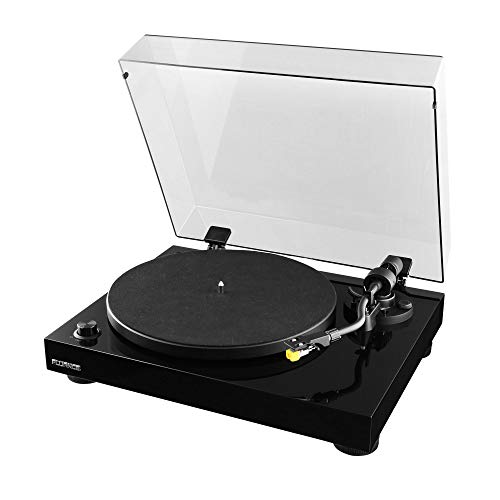
The RT80 looks like a classic turntable in the best sense: simple, straightforward, and easy to live with. It has that familiar wood-grain, no-nonsense hi-fi vibe that fits in a living room without screaming for attention.
In hand, it feels like a budget-friendly machine that was designed to get the job done rather than impress you with fancy materials. I like that it doesn’t overcomplicate the experience, and the controls are laid out in a way that makes sense immediately.
At the same time, you can tell where the money went. It’s not the kind of deck that feels overbuilt or especially luxurious, so I’d treat it as a practical starter table rather than something you buy for industrial-grade heft.
03Setup and First-Time Use
I think this is one of the RT80’s biggest strengths: it’s approachable. If you’re new to vinyl, it doesn’t bury you in weird steps or confusing extras, and that matters a lot when you just want to get a record spinning without a headache.
The setup process is pretty friendly, and once it’s ready, the day-to-day operation is simple enough that I never felt like I needed to babysit it. That makes it a good fit for someone who wants a turntable that behaves more like a normal home audio component and less like a hobby project.
It also helps that the whole experience feels low-drama. I didn’t run into the kind of fiddly, fussy behavior that can make a new vinyl setup feel like work, which is a big deal for casual listeners.
04Built-In Features and Connectivity
The RT80 makes a strong case for itself by keeping things practical. The built-in phono stage is the big convenience here, because it lets the table slot into a wider range of systems without forcing you to buy extra gear right away.
That makes it especially useful if your setup is still evolving. I like gear that can get you listening now and still leave room to grow later, and this table does that in a pretty sensible way.
What you’re not getting is a feature-packed machine loaded with extras for the sake of it. This is more about straightforward playback than bells and whistles, so if you want convenience without complexity, it lands in a nice middle ground.
I see the RT80 as a solid pick for someone building a first vinyl setup or replacing a flimsy all-in-one player. It’s the kind of turntable that helps records sound like records should, without demanding that you become an expert overnight.
It also makes sense if you want something easy to live with in a main room system. The sound is friendly, the design is unobtrusive, and the whole package is aimed at people who care more about spinning albums than tweaking every last variable.
If you’re already deep into the hobby and looking for a table to obsess over, this probably won’t scratch that itch for long. But if you want a dependable, uncomplicated entry into proper vinyl playback, I think it hits the brief pretty well.