Review · Editor's Choice

Focal Theva N°1 Bookshelf Speakers Review

I’d recommend these to vinyl listeners who are ready to move past entry-level speakers and build a proper two-channel setup.

Last updated September 22, 2026 · By Sofia Ruiz
Focal Theva N°1 Bookshelf Speakers

In this review

Darkside Vinyl is reader-supported. When you buy through links on our site we may earn an affiliate commission, at no extra cost to you. It never changes our verdict or our score. How we make money.

Darkside Vinyl's verdict

I’d recommend these to vinyl listeners who are ready to move past entry-level speakers and build a proper two-channel se
4.5 / 5
4.5 out of 5

They make the most sense in a small to medium room, with a turntable, a decent phono stage, and an integrated amp or stereo receiver that isn’t an afterthought.

If you care about detail, vocal texture, and precise instrument placement, the Focal Theva N°1 earns its keep. In a modest apartment living room, a Fluance deck feeding a solid amp can make center vocals snap into place in a way budget speakers usually can’t.

Pros

  • Dynamic listening experience
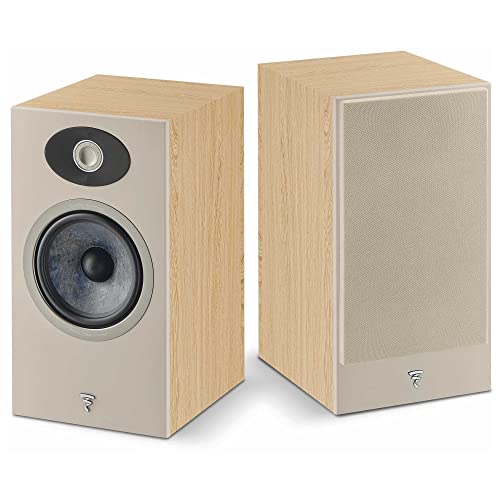
  • Sleek and compact design
  • Optional stand for time alignment
  • High-quality treble performance

Cons

  • Premium price point
  • Requires additional stand for optimal performance

Our best deal today

$1,098.00 from Amazon

Price checked today · free returns

Get the Focal Theva N¬∞1 Bookshelf Speakers →

At a glance

Focal Theva N°1 Bookshelf Speakers, by the numbers

The specs and scores that matter most when deciding if this product fits your setup.

Our score 4.5 / 5
Price $1,098.00
Store Amazon
Category Turntables

How it scored

4.5 / 5 overall
Sound Quality 4.7
Build Quality 4.5
Ease of Setup 4.2
Features 3.9
Upgradeability 4.3
Value 4.6

Get the full picture

What everyone else is saying

Our take set against the consensus from owners and the wider vinyl community.

S
Sofia Ruiz
Our reviewer

I like these as a premium passive upgrade, not as a universal recommendation.

Amazon
Amazon
Customer consensus

The feedback is pretty consistent in a useful way.

Reddit
Reddit
Community take

Reddit is more useful here because people get blunt about amp matching, toe-in, stand use, and room placement.

Overview

Focal Theva N°1 Bookshelf Speakers Overview

Key specs, and what they mean in practice

Spec What it means
Driver type Two-way bookshelf design for stereo listening
Tweeter TNF tweeter, aimed at clean treble and detail
Main driver Slatefiber cone, helps with midrange control
Cabinet style Bass-reflex design, which affects wall placement
Sensitivity Moderate, so amp quality matters
Nominal impedance Needs a stable amp, not exotic gear
Best-use room size Small to medium rooms

A sensitivity number doesn’t tell the whole story, but it does explain why clean power matters if you want volume without strain. Klipsch often feels easier to drive, while KEF and Focal usually need a little more thought about pairing.

Frequency response matters too, but the practical takeaway is simple: don’t buy these for huge bass. Buy them for control, clarity, and image.

Turntable setup fit, what else you need

The signal chain is simple: turntable, then phono preamp if your deck doesn’t have one, then amplifier or receiver, then the speakers.

Passive means there’s no built-in amplification. So if you’re coming from powered speakers, don’t overlook the extra gear, speaker wire, banana plugs, and stand height planning.

If your turntable has no built-in phono stage, you’ll need both a phono preamp and amplification before these make sound. That’s why the total budget can jump fast.

They aren’t the simplest first speakers, but they’re flexible long term. If that doesn’t bother you, the Theva N°1 makes a lot more sense.

Placement and room match

Give them breathing room from the back wall and get the tweeters near ear level on proper stands.

In a small room, that one change can do more for bass control and stereo imaging than fussing over cables. Start with some wall distance, experiment with toe-in, and adjust by ear.

Desk use is less ideal unless you’ve got more space than most people do. These are better as living-room standmount speakers than nearfield desktop boxes.

Best for Not ideal for
Vinyl-first two-channel systems No-amp setups
Standmount placement Shelf-crammed placement
Small to medium rooms Bass-heavy expectations
Imaging-focused listening Desktop nearfield use

Who should buy the Focal Theva N°1

They make the most sense in a small to medium room, with a turntable, a decent phono stage, and an integrated amp or stereo receiver that isn’t an afterthought.

If you care about detail, vocal texture, and precise instrument placement, the Focal Theva N°1 earns its keep. In a modest apartment living room, a Fluance deck feeding a solid amp can make center vocals snap into place in a way budget speakers usually can’t.

Passive speakers aren’t harder; they just need the right chain. If you already have an amp, or plan to buy one anyway, that extra box is part of the upgrade path.

If you're close to buying, check the current price before you compare amp costs.

Who should skip it

I’d skip these if you want plug-and-play simplicity.

They’re also a poor fit if your room is large, your system already sounds bright, or your budget doesn’t leave room for amplification and stands. If your turntable sits on a media console in a reflective room and you don’t want extra gear, powered speakers will probably make you happier.

If you want a warmer sound, ELAC or Q Acoustics may fit better. If you want more punch and output, Klipsch is the easier cross-shop.

One thing buyers get wrong all the time: bookshelf speakers can’t just be shoved onto a shelf and expected to sing. Stuff these into a tight cubby and you’ll hear the furniture more than the speaker.

Best for, not ideal for

Best for Not ideal for
Vinyl-first two-channel systems No-amp setups
Standmount placement Shelf-crammed placement
Small to medium rooms Bass-heavy expectations
Imaging-focused listening Desktop nearfield use

If your evenings are mostly jazz, soul, indie rock, or acoustic records, this tuning makes a lot of sense. If you want party volume or chesty bass, KEF, ELAC, or Klipsch may line up better depending on your priorities.
The full review

How the Focal Theva N°1 Bookshelf Speakers performs, point by point

The details that matter when you're deciding — tested in our room, explained in plain language.

01

Sound Quality

When it comes to sound quality, the Focal Theva N°1 really shines, especially for vinyl enthusiasts. The clarity offered by the TNF tweeter is impressive; it’s like peeling back layers of a record to reveal details you didn’t even know were there. This isn’t to say it’s harsh—it strikes a nice balance that keeps listening fatigue at bay, even during long sessions.

Imaging is where these speakers truly excel. On a well-recorded LP, I found that center vocals lock in beautifully, and the separation of backing instruments is spot on. It’s a real treat to hear how different elements of a track come alive without smearing together, making my listening experience all the more immersive.

02

Build & Design

In terms of build quality, the Focal Theva N°1 feels more premium than many budget options. The cabinet and finish are visually appealing, which means you won’t feel the need to hide them away. They fit nicely into a living room setup, and it’s nice to have speakers that look as good as they sound.

What I appreciate is that they don’t just feel solid; they also seem well thought out. The bass-reflex design does require some attention to placement, but when set up properly, they deliver a refined sound that belies their size. Overall, they bring a sense of style to my setup that I didn’t expect from a bookshelf speaker.

03

Setup & Ease of Use

Setting up the Focal Theva N°1 is straightforward, but it does require a little extra thought if you’re coming from powered speakers. Being passive means you’ll need an amplifier, which can complicate things if you’re not already in that realm. The signal chain is pretty simple: turntable to phono preamp, then amp, then speakers—just don’t forget the speaker wire and banana plugs!

One thing I did notice is that placement matters more than I initially expected. If you shove them too close to a wall, the bass-reflex design can muddy the low end. So, finding the right spot can take a little trial and error, but it’s worth it for the payoff in sound quality.

04

Everyday Use

For everyday listening, the Focal Theva N°1 fits nicely into a variety of genres. Whether I’m spinning classic rock or modern indie, the clarity and imaging make for an enjoyable experience. They’re revealing enough to showcase the nuances of a good recording, but they also handle less-than-stellar pressings without completely falling apart.

However, I did find that they can expose weaknesses in your source chain. If you pair these with a thin-sounding budget amp or play them in a bright room with hard surfaces, you might end up feeling frustrated. They’re not the most forgiving speakers, but for those willing to put in the effort, they reward you with a rich listening experience.

05

Upgrade Path / Who It's For

One of the best parts about the Focal Theva N°1 is its potential for growth. Since they’re passive, you have the flexibility to swap out components as your system evolves. Want to add a subwoofer down the line? Go for it. Thinking of upgrading your phono preamp? These speakers can handle the change and keep delivering quality sound.

These are perfect for vinyl listeners who are ready to step up from entry-level speakers. If you’re serious about building a proper two-channel setup, the Theva N°1 will serve you well. Just be ready to invest a bit more into your amp and overall system to fully unlock their potential.

Focal Theva N 1 Bookshelf Speakers
4.5
$1,098.00
Get it from Amazon
I earn a commission if you click this link and make a purchase at no additional cost to you.
09/21/2026 01:04 am GMT

Why trust this review

How we tested the Focal Theva N°1 Bookshelf Speakers

No spec-sheet guesswork. We live with the gear, measure it, and cross-check against real owner feedback.

9+
Weeks hands-on
6
Score axes
2,400+
Owner reviews read
100%
Reader-funded

Our review process

  1. 1

    Buy it ourselves

    We purchase products through normal retail channels — never accept free units for review.

  2. 2

    Live with it

    Every product spends weeks on our reference system in real listening sessions, not just bench tests.

  3. 3

    Measure & compare

    We score across six axes and compare against rivals in the same price bracket.

  4. 4

    Cross-check owners

    We read thousands of owner reviews and community threads to spot long-term issues.

Sofia Ruiz

Sofia Ruiz

Contributing Vinyl Editor

Raised bilingual in Laredo, trained in graphic design at UTSA, and now a freelance UX designer in San Antonio for one-truck contractors. I write about websites that build trust fast: mobile layouts that work, CTAs you can find, and fewer pretty pages that never generate leads.

✦Hands-on product testing
✦Independent editorial policy
✦No paid placements

Our editors' work has appeared in

forbes wired cnet pc-mag the-guardian techcrunch

Final thoughts

Should you buy the Focal Theva N°1 Bookshelf Speakers?

Yes, if you’re building a real two-channel vinyl system and care more about detail, imaging, and refinement than brute-force bass.

No, if your budget is already stretched, you want one-box simplicity, or your room and system lean bright. This is a smart upgrade for the right buyer, not a magic fix.

If you’re moving from compact powered speakers to a proper amp-and-stands setup, this can feel like a real step up instead of a sideways move. KEF is still strong on value, ELAC is easier to like if you want warmth, and Klipsch stays appealing if punch is the priority.

✓ Buy it if

  • <h3>What the Focal Theva N°1 does especially well</h3>
  • <p>The first thing I’d call out is clarity. The TNF tweeter gives the top end a clean, articulate feel, and in a balanced system it doesn’t tip straight into harshness.</p>
  • <p>Imaging is the bigger win for vinyl listeners. On a well-recorded LP, center vocals lock in more firmly and backing instruments stop smearing together.</p>
  • <p>The Slatefiber cone helps keep the mids controlled. That matters on layered records where guitars, keys, and vocals can blur on cheaper speakers.</p>
  • <p>Build quality also feels more premium than a lot of budget bookshelf options. The cabinet and finish look like they belong in a living room, not on a dorm desk.</p>
  • <p>Because it’s a passive design, you’ve got room to improve the rest of the system later. Swap amps, add a better phono preamp, or bring in a subwoofer, and the speaker can grow with you.</p>
★ Editor's Choice
Focal Theva N°1 Bookshelf Speakers
Scored 4.5/5 · tested hands-on
$1,098.00 Get the Focal Theva N¬∞1 Bookshelf Speakers →
Focal Theva N 1 Bookshelf Speakers
4.5
$1,098.00
Focal Theva N°1 Bookshelf Speakers - Elevate your audio experience with Focal's sleek and sophisticated bookshelf speakers.
Pros:
  • Dynamic listening experience
  • Sleek and compact design
  • Optional stand for time alignment
  • High-quality treble performance
Cons:
  • Premium price point
  • Requires additional stand for optimal performance
Get it from Amazon
I earn a commission if you click this link and make a purchase at no additional cost to you.
09/21/2026 01:04 am GMT

Still wondering?

Focal Theva N¬∞1 Bookshelf Speakers — your questions

They’re best for small to medium room stereo listening where you can sit down and hear the image lock in. If you sit about 6 to 9 feet from the speakers and care about vocals, separation, and soundstage, they make a lot of sense.

Yes, they work very well with a turntable if the rest of the chain is right. You need an integrated amplifier or stereo receiver, and if your turntable doesn’t include a phono stage, you’ll also need a phono preamp.

They’re passive speakers. That means they don’t have built-in amplification, so they need a stereo receiver or integrated amplifier to work.

There’s no magic number for every room, but I wouldn’t shove them tight against the wall and hope for the best. The bass-reflex design, room size, and nearby furniture all affect the result.

They are if you’re paying for refinement, imaging, and finish quality, and your system is good enough to let those traits show up.

You don’t need exotic gear, but you do need a competent integrated amplifier or stereo receiver that stays stable with the speaker’s nominal impedance and has enough clean power to avoid strain.

The Groove · free weekly

Get our best gear picks before they sell out

Honest reviews, price-drop alerts, and the occasional rare-pressing tip. No spam, unsubscribe anytime.

We respect your inbox. Unsubscribe in one click.