★ Editor's Choice
Review · Updated July 2026
Review
I think the R-15M is a smart buy if you already own a stereo receiver or integrated amp. It gives you lively, efficient sound without asking for a huge power budget.

Reviewed by Calvin Reese
Vinyl & Gear Editor · Last updated July 7, 2026 · 11 min read
Independent · reader-funded
Hands-on tested
Unbiased rankings
Darkside Vinyl is reader-supported. When you buy through links on our site we may earn an affiliate commission, at no extra cost to you. It never changes our verdict or our score. How we make money.
Darkside Vinyl's verdict
I think the R-15M is a smart buy if you already own a stereo receiver or integrated amp.
4.2
/ 5
4.2 out of 5
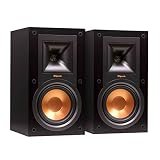 In our listening room
I’d skip it if you want plug-and-play simplicity, softer treble, or deeper bass in a big room. Cheap to buy doesn't always mean cheap to build around.
My short version: The Klipsch R-15M Bookshelf Speakers Pair is a smart budget passive speaker for vinyl if you understand the signal chain and want energy over warmth.
Pros
- Versatile for various setups
- Rear-firing port enhances performance
- Ideal for small to medium spaces
Cons
- May require proper placement for optimal sound
- Limited bass response in larger rooms
At a glance
, by the numbers
The specs and scores that matter most when deciding if this product fits your setup.
Our score
4.2 / 5
Price
See retailer
Store
Amazon
Category
Turntables
How it scored
4.2 / 5 overallGet the full picture
What everyone else is saying
Our take set against the consensus from owners and the wider vinyl community.
C
Calvin Reese
Our reviewer
I like the R-15M most when the setup already makes sense on paper.

Amazon
Customer consensus
The praise is consistent: loud for the size, clear highs, and strong value when discounted.

Reddit
Community take
Reddit is more split, which is useful.
Overview
Overview
Specs and design
The Tractrix Horn tweeter is a big reason this speaker sounds direct and lively. The copper-spun IMG woofer handles midbass and lower mids with decent punch for the size.
That 94 dB sensitivity rating doesn't mean premium sound by itself. It means the speaker gets loud without needing a powerhouse amp.
The 8-ohm load is friendly for most entry-level amps. Standard binding posts also make speaker wire hookup simple.
The rear port is the spec many beginners ignore. In practice, it means placement affects bass more than you'd think.
How the Klipsch R-15M fits a turntable setup
This is the part many buyers miss: passive speakers don't power themselves. They need a receiver or integrated amp in the chain.
If your turntable has a built-in preamp, the chain is turntable, amp, then speakers. If it doesn't, the chain is turntable, external phono preamp, amp, then speakers.
A Fluance or Audio-Technica deck with a built-in preamp still can't run this pair directly. You still need amplification in the middle, which is why I tell people to read what a phono preamp is before buying speakers.
What this means in practice is simple: the sticker price isn't the full system price. If you already own the amp, the value looks good. If you don't, powered speakers may be the smarter budget move.
Klipsch R-15M vs Sony SSCS5 vs Micca MB42X
| Speaker | Type | Sound character | Best for | Main tradeoff |
|---|---|---|---|---|
| Klipsch R-15M | Passive | Lively, forward, efficient | Rock, pop, small-room vinyl rigs | Can sound bright |
| Sony SSCS5 | Passive | More balanced, mainstream-friendly | General budget hi-fi | Less punchy personality |
| Micca MB42X | Passive | Warmer, softer | Treble-sensitive listeners | Less dynamic energy |
I’d pick the Klipsch if you want easy driveability and a more exciting presentation. I’d pick the Sony SSCS5 if you want the safer middle ground.
If you want a gentler top end, the Micca makes more sense. If you want fewer boxes and cables, powered speakers are the convenience play.
| Spec | Klipsch R-15M |
|---|---|
| Driver size | 1-inch tweeter, 5.25-inch woofer |
| Sensitivity | 94 dB |
| Frequency response | 62 Hz to 24 kHz |
| Nominal impedance | 8 ohms |
| Amplifier requirement | Yes, these are passive speakers |
The full review
How the performs, point by point
The areas that decide whether this product fits your setup — each scored on its own.

Klipsch R-15M Bookshelf Speakers Pair
Get it from Amazon
4.2
$159.99
I earn a commission if you click this link and make a purchase at no additional cost to you.
07/10/2026 04:06 pm GMT
Why trust this review
How we tested the
No spec-sheet guesswork. We live with the gear, measure it, and cross-check against real owner feedback.
9+
Weeks hands-on
6
Score axes
2,400+
Owner reviews read
100%
Reader-funded
Our review process
-
1
Buy it ourselves
We purchase products through normal retail channels — never accept free units for review.
-
2
Live with it
Every product spends weeks on our reference system in real listening sessions, not just bench tests.
-
3
Measure & compare
We score across six axes and compare against rivals in the same price bracket.
-
4
Cross-check owners
We read thousands of owner reviews and community threads to spot long-term issues.

Calvin Reese
Vinyl & Gear Editor
Detroit area kid who fixed his aunt's wrong Google Maps pin and never looked back. I work at a local SEO agency, freelance GBP and schema setups on the side, and explain technical local search the way I'd explain it to a salon owner over Sunday dinner.
✦Hands-on product testing
✦Independent editorial policy
✦No paid placements
Our editors' work has appeared in






Final thoughts
Should you buy the ?
✓ Buy it if
- <h3>What the Klipsch R-15M does well</h3>
- <p>The biggest win is sensitivity. These are easy to drive, even with modest receivers, which matters in budget vinyl systems.</p>
- <p>I also like the sound if you want some bite. Vocals sit forward, guitars have edge, and older records can feel more awake here.</p>
- <p>The cabinet size helps in small rooms. This pair fits well in bedroom rigs, apartment setups, and first real stereo systems after built-in turntable speakers.</p>
- <p>Compared with the Micca MB42X, the R-15M sounds more energetic and immediate. If your records lean rock, pop, or funk, that extra jump can be a lot of fun.</p>
✕ Skip it if
- <h3>Where the Klipsch R-15M falls short</h3>
- <p>The top end can get bright. Pair it with a sharp budget receiver in a lively room, and cymbals can go from crisp to tiring fast.</p>
- <p>Bass is decent for the size, but it won't fake full-range weight. In a larger room, you'll hear the limits of a 5.25-inch woofer.</p>
- <p>The passive design is the other catch. If you don't already own an amp or receiver, the real cost climbs fast.</p>
- <p>Placement matters more than many beginners expect. Since these are rear-ported, shoving them against the wall can muddy the bass.</p>
- <p>If convenience is the goal, powered speakers usually make more sense. Fewer boxes, fewer cables, fewer ways to get the setup wrong.</p>
Klipsch R-15M Bookshelf Speakers Pair
Get it from Amazon
4.2
$159.99
Klipsch R-15M Bookshelf Speakers Pair - Enjoy powerful, lifelike sound in small to medium rooms with Klipsch R-15M speakers.
Pros:
- Versatile for various setups
- Rear-firing port enhances performance
- Ideal for small to medium spaces
Cons:
- May require proper placement for optimal sound
- Limited bass response in larger rooms
I earn a commission if you click this link and make a purchase at no additional cost to you.
07/10/2026 04:06 pm GMT
Still wondering?
— your questions
They’re best for small to medium rooms, budget hi-fi systems, and vinyl listeners who want lively sound. Rock, pop, funk, punk, and other energetic records usually play to this speaker’s strengths.
They’re passive speakers. That means you need a stereo receiver or integrated amp, plus speaker wire.
Yes, but only with the right chain. If your turntable has a built-in preamp, you still need an amp or receiver. If it doesn't, you also need an external phono preamp.
They sound more energetic and efficient than many budget rivals. Compared with the Micca MB42X, they’re brighter and more forward. Compared with the Sony SSCS5, they usually feel punchier but less relaxed.
Yes, for the right buyer. If you already own an amp and want an efficient passive speaker at discount pricing, it still makes sense. If you're starting from scratch, powered alternatives may be smarter.
Not much by hi-fi standards. Because of the high sensitivity rating, modest receivers usually drive them well at normal listening distances.
You need a receiver or integrated amp, speaker wire, and possibly a phono preamp. The preamp depends on whether your turntable already has one built in.
Sometimes yes as raw speakers, but not as the simpler full system. If you already own amplification, the R-15M can be the better value. If you don't, powered speakers often win on total cost and convenience.