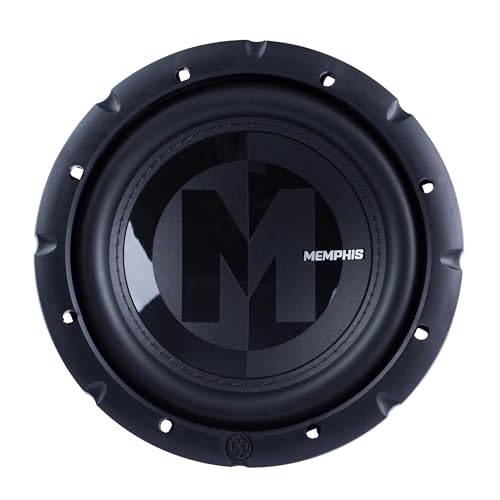
This is the part that decides whether the Memphis powered subwoofer is a smart buy or a wiring headache.
Specs snapshot
- Driver size: 8-inch woofer
- Enclosure type: Ported enclosure
- Inputs: RCA line input
- Controls: Low-pass crossover, phase control, gain control
- Best use: Small-room bass support in a simple 2.1 setup
What this means in practice: it’s built for modest bass extension and easier placement, not maximum output. For vinyl listening, that’s often a better match than people expect.
How it fits into a turntable system
A turntable usually doesn't connect straight to a subwoofer. The normal path is turntable, then phono preamp if needed, then receiver or amp, then speakers plus the sub.
A simple example: an Audio-Technica turntable feeds a phono preamp, that goes into a home stereo receiver, and the receiver sends signal to bookshelf speakers and the sub.
If you're using powered speakers, confirm they have a proper sub out or line-level path first.
If you need help sorting that chain, start with the site’s turntable hub or the phono preamp guide.
What the controls actually do
The crossover decides how much upper bass the sub handles. Set it too high, and records can sound thick and sloppy.
The gain sets level, not quality. If the sub is too loud, it pulls attention to itself and makes the whole system feel slower.
Phase helps the sub blend with speaker placement. In a small room, that can be the difference between bass that fills in nicely and bass that seems to come from a random corner.
Better fit than you think, or the wrong upgrade entirely
This works best in a small room, with compact speakers, and moderate bass goals. That’s the sweet spot.
It’s the wrong move if you’ve got a large room, weak mains, no clean sub output path, or movie-first expectations. In those cases, better bookshelf speakers, floorstanders, or a receiver with proper bass management may be the smarter spend.