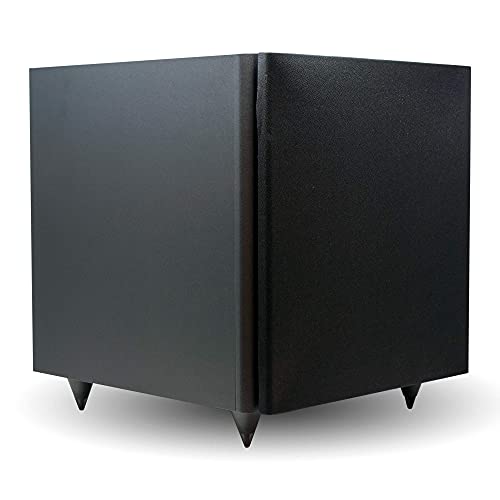
Where the On-Q fits in a vinyl playback chain
This is a system add-on, not a standalone fix. The clean path is turntable to phono preamp, if needed, then to a stereo receiver or powered speakers, then from the sub out to the On-Q.
A straightforward example is an Audio-Technica or Fluance turntable feeding a receiver, with the receiver sending bass to the sub through an RCA connection. That's easy. A basic pair of powered speakers with no sub output is a different story.
| Connection type |
What you need |
Who it suits |
| Receiver with sub out |
Turntable, phono preamp if needed, stereo receiver, RCA cable |
Best for most vinyl systems |
| Powered speakers with sub out |
Turntable, phono stage, speakers with dedicated sub output |
Good for compact modern setups |
| No sub output |
Extra gear or a different upgrade path |
Usually not worth the hassle for beginners |
If your setup still feels fuzzy, our phono preamp guide, turntable setup guide, and turntable hub will save you some trial and error.
Music listening vs home theater, where this sub makes more sense
For music, this sub works best as support. It should extend low-frequency reach for bookshelf speakers, not turn every record into a bass demo.
For home theater, the bar is different. Extra impact is easier to appreciate, and tonal finesse matters a little less, so a 10-inch sub often feels more immediately impressive there.
If you spin records on weekends and also want more punch for movie night, the On-Q is easier to justify. If your rig is strictly for careful two-channel listening, I'd be more tempted to upgrade speakers first or save for a more refined music-first subwoofer.