★ Editor's Choice
Review · Updated July 2026
Review
Pioneer DJ PLX-500 is a direct-drive turntable with a built-in phono preamp and USB output. It’s a strong fit for buyers who want simple powered-speaker compatibility, DJ-style convenience, and an easier upgrade path than entry-level all-in-one players.

Reviewed by Marcus Webb
Speakers & Receivers Editor · Last updated July 7, 2026 · 11 min read
Independent · reader-funded
Hands-on tested
Unbiased rankings
Darkside Vinyl is reader-supported. When you buy through links on our site we may earn an affiliate commission, at no extra cost to you. It never changes our verdict or our score. How we make money.
Darkside Vinyl's verdict
Pioneer DJ PLX-500 is a direct-drive turntable with a built-in phono preamp and USB output.
4.5
/ 5
4.5 out of 5
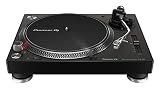 In our listening room
The main tradeoff is value: for pure home listening, it isn’t always the strongest sound-per-dollar pick.
If you want to unbox a turntable, set tracking force, switch it to line output, and play through powered speakers that same night, the PLX-500 is a smart fit.
Pros
- High-quality sound
- USB recording capability
- Direct connection to speakers
- Cover holder for record covers
Cons
- Pricey compared to entry-level options
- Requires compatible mixer for advanced features
At a glance
, by the numbers
The specs and scores that matter most when deciding if this product fits your setup.
Our score
4.5 / 5
Price
See retailer
Store
Amazon
Category
Turntables
How it scored
4.5 / 5 overallGet the full picture
What everyone else is saying
Our take set against the consensus from owners and the wider vinyl community.
M
Marcus Webb
Our reviewer
The PLX-500 makes the most sense in powered-speaker systems and apartment living rooms.

Amazon
Customer consensus
The common praise is easy setup, direct connection to powered speakers, solid feel, and useful USB recording.

Reddit
Community take
Enthusiast opinion is usually more mixed.
Overview
Overview
Specs that matter
Here’s the short list that matters while you’re comparing tabs.
| Spec | Pioneer DJ PLX-500 |
|---|---|
| Drive type | Direct drive |
| Speeds | 33, 45, 78 RPM |
| Cartridge type | Moving magnet |
| Outputs | RCA output, USB output |
| Built-in preamp | Yes |
| USB | Yes |
| Weight | Approx. 23.1 lbs |
| Removable headshell | Yes |
| Dust cover | Yes |
Here’s the quick comparison for common cross-shopping.
| Model | Beginner fit | DJ-style features | Built-in preamp | Upgrade path |
|---|---|---|---|---|
| PLX-500 | Strong | Yes | Yes | Good |
| AT-LP120XUSB | Strong | Yes | Yes | Good |
| Fluance RT82 | Good, but needs more planning | No | No | Very good |
What the setup looks like in a real room
For powered speakers, use the line output with the internal preamp active. For a receiver with a phono input, use phono output and bypass the internal stage.
For a receiver without a phono input, switch back to line output. Get that wrong, and the whole system sounds broken when it really isn’t.
A careful beginner can usually go from unboxing to first play in 15 to 30 minutes. You still need to set the counterweight, tracking force, and anti-skate correctly.
In a one-bedroom apartment, this deck fits nicely on a media console beside powered speakers and keeps cable clutter under control. That’s a real advantage in small spaces.
| Verdict | Details |
|---|---|
| Best for | Buyers who want direct drive, a built-in phono preamp, a removable headshell, and occasional USB recording in one deck |
| Not for | Buyers focused only on the best sound-per-dollar for home listening |
| Bottom line | Strong convenience pick, not an automatic best-value pick |
The full review
How the performs, point by point
The areas that decide whether this product fits your setup — each scored on its own.

Pioneer DJ PLX-500 Turntable
Get it from Amazon
4.5
$449.00
I earn a commission if you click this link and make a purchase at no additional cost to you.
07/10/2026 05:06 pm GMT
Why trust this review
How we tested the
No spec-sheet guesswork. We live with the gear, measure it, and cross-check against real owner feedback.
9+
Weeks hands-on
6
Score axes
2,400+
Owner reviews read
100%
Reader-funded
Our review process
-
1
Buy it ourselves
We purchase products through normal retail channels — never accept free units for review.
-
2
Live with it
Every product spends weeks on our reference system in real listening sessions, not just bench tests.
-
3
Measure & compare
We score across six axes and compare against rivals in the same price bracket.
-
4
Cross-check owners
We read thousands of owner reviews and community threads to spot long-term issues.

Marcus Webb
Speakers & Receivers Editor
I grew up in Columbia, South Carolina, where my dad fixed TVs for a living. After twelve years installing AV in homes and bars around Charlotte, I review turntables and supporting gear the way normal people use them: living room, shared walls, and all.
✦Hands-on product testing
✦Independent editorial policy
✦No paid placements
Our editors' work has appeared in






Final thoughts
Should you buy the ?
✓ Buy it if
- <h3>What the PLX-500 gets right for first-time buyers</h3>
- <p>The built-in phono preamp is the biggest reason this deck works so well in simple systems. You can run it straight into many powered speakers or a receiver without a phono input.</p>
- <p>In practice, that means one less box, one less power cable, and one less place to create hum. If you need a refresher on the signal chain, start with this guide on what a phono preamp does.</p>
- <p>The direct-drive motor gives quick startup and steady everyday use. For home listening, that matters less for scratching and more because the deck feels immediate and solid.</p>
- <p>If you’re moving up from a cheap suitcase player, the PLX-500 feels like real equipment. It starts fast and behaves like a proper deck, not a plastic shortcut.</p>
- <p>USB output is useful if you’ll actually digitize records. It’s not a reason to buy the deck by itself, but it does save hassle if you want to archive a few hard-to-find LPs.</p>
- <p>The removable headshell also makes future cartridge changes less intimidating. It doesn’t make upgrades automatic, but it lowers the barrier.</p>
- <p>If you swap the stock moving magnet cartridge later, you won’t feel like you’re doing surgery on the tonearm. You’ll still need to check alignment, tracking force, and anti-skate, so keep a turntable setup guide open the first time.</p>
✕ Skip it if
- <h3>Where the PLX-500 gives up value</h3>
- <p>The biggest drawback is simple: sound-per-dollar isn’t always its strongest case. If you only care about home listening, you may get better value from something like the Fluance RT82.</p>
- <p>If you’ll never use USB, never touch pitch controls, and don’t specifically want direct drive, you may be paying for extras instead of better listening value.</p>
- <p>USB recording adds cost for some buyers who’ll never use it. The same goes for the DJ-style layout.</p>
- <p>If your whole routine is dropping a record on after dinner and sitting on the couch, some of these features can turn into paid-for clutter. It’s like buying a pickup truck to carry one grocery bag.</p>
- <p>The built-in preamp is convenient, but it may not be your best long-term path. Some buyers eventually want to bypass the internal stage and move to a better external phono preamp.</p>
- <p>The PLX-500 also isn’t the simplest beginner option if you want zero fuss. Models like the Audio-Technica AT-LP70XBT are easier for buyers who want fewer manual adjustments.</p>
Pioneer DJ PLX-500 Turntable
Get it from Amazon
4.5
$449.00
Pioneer DJ PLX-500 Turntable - High-quality turntable for vinyl enthusiasts and DJs.
Pros:
- High-quality sound
- USB recording capability
- Direct connection to speakers
- Cover holder for record covers
Cons:
- Pricey compared to entry-level options
- Requires compatible mixer for advanced features
I earn a commission if you click this link and make a purchase at no additional cost to you.
07/10/2026 05:06 pm GMT
Still wondering?
— your questions
Yes, if you want a first serious deck with direct drive, a built-in preamp, and room to upgrade later. It’s beginner-friendly because it works with a lot of common systems, not because it’s fully automatic or setup-proof.
Yes. It has a built-in phono preamp and line output, so it can connect directly to powered speakers or receivers that don’t have a dedicated phono input.
Yes, through its line-level output. In most cases, you’ll run RCA from the turntable to the speakers, though some setups may need an RCA-to-3.5mm adapter.
It leans toward buyers who like DJ-style features, but plenty of people buy it for home listening because it’s convenient and easy to wire. If your only goal is pure home-listening value, compare it with belt-drive options too.
That depends on current pricing and which feature set you prefer. Both target similar buyers, but the AT-LP120XUSB is often the sharper value comparison if you want the same general convenience class.
Usually 15 to 30 minutes for a careful beginner. Plan to install the platter, attach the headshell, set the counterweight, dial in tracking force and anti-skate, and confirm the output mode before you play a record.