★ Editor's Choice
Review · Updated July 2026
Review
I think the Pioneer Elite VSX-LX305 is a smart buy if you want one receiver for a turntable, TV, streaming, and room to grow into surround sound. I’d skip it if you only want simple 2-channel vinyl playback, because the phono input is useful, but the real value is the mix of Dirac Live, HDMI 2.

Reviewed by Cassie Hart
Audio Equipment Specialist · Last updated July 7, 2026 · 11 min read
Independent · reader-funded
Hands-on tested
Unbiased rankings
Darkside Vinyl is reader-supported. When you buy through links on our site we may earn an affiliate commission, at no extra cost to you. It never changes our verdict or our score. How we make money.
Darkside Vinyl's verdict
I think the Pioneer Elite VSX-LX305 is a smart buy if you want one receiver for a turntable, TV, streaming, and room
4.5
/ 5
4.5 out of 5
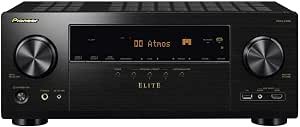 In our listening room
1, and long-term flexibility.
My short version: this is a better fit for a first serious living-room system than for a dedicated record corner.
Pros
- Exceptional audio clarity
- Advanced gaming features
- Supports 8K video
- Easy streaming integration
- Room correction technology
Cons
- Higher price point
- Complex setup for beginners
- Requires compatible equipment for full benefits
At a glance
, by the numbers
The specs and scores that matter most when deciding if this product fits your setup.
Our score
4.5 / 5
Price
See retailer
Store
Amazon
Category
Turntables
How it scored
4.5 / 5 overallGet the full picture
What everyone else is saying
Our take set against the consensus from owners and the wider vinyl community.
C
Cassie Hart
Our reviewer
I wouldn't call the LX305 a purist vinyl component, and that's fine.

Amazon
Customer consensus
The praise is pretty consistent: buyers like the feature set, the sound, and the HDMI flexibility.

Reddit
Community take
Reddit gets more opinionated, but the pattern is still useful.
Overview
Overview
Specs that matter for a vinyl plus TV setup
| Spec | What it means for you |
|---|---|
| 7.2 channels | Start with stereo, then add a center speaker, surrounds, or a subwoofer later |
| HDMI 2.1 | Better fit for modern TVs and newer consoles |
| 8K passthrough | Extra future-proofing, even if you don't need it today |
| eARC | Sends TV audio back to the receiver with one HDMI cable |
| Phono input | Lets many moving magnet turntables plug in directly |
| Dirac Live | Helps correct room and speaker-placement problems |
| Best for | One-box vinyl, TV, streaming, and future surround |
If you have a 4K TV now and might add a console later, HDMI 2.1 and eARC matter more than you'd think. They aren't just gamer features; they make the whole mixed-use setup less annoying.
Vinyl setup fit, is the built-in phono stage enough?
For most beginners, yes. The phono input is designed for many moving magnet turntables, so a standard Audio-Technica, Fluance, or Pro-Ject deck can usually plug straight in and work without extra gear.
The catch is your turntable's own preamp. If your deck has a built-in preamp and it's switchable, you usually want it set to phono when using the receiver's phono input.
If it's already outputting line level, use a regular analog input instead. If you need a refresher, start with our phono preamp guide and turntable setup guide.
A realistic upgrade path looks like this: you start with a Fluance RT82 and the built-in stage sounds totally fine. A year later, you upgrade your cartridge or speakers, and that's when an external phono preamp starts making more sense.
Mini comparison, LX305 vs Denon AVR-X2800H and Onkyo TX-NR7100
| Model | Phono input | Room correction | HDMI 2.1 | Best fit | Decision line |
|---|---|---|---|---|---|
| Pioneer Elite VSX-LX305 | Yes | Dirac Live | Yes | Vinyl plus TV buyers who want flexibility | Great if you want phono input, Dirac Live, and room to grow in one box |
| Denon AVR-X2800H | Yes | Audyssey | Yes | Buyers who prefer Denon's ecosystem and setup style | A strong rival, but room correction and usability matter more than the logo |
| Onkyo TX-NR7100 | Yes | Dirac Live | Yes | Value-focused shoppers cross-shopping Dirac models | Very close in spirit, and often the toughest comparison on pure value |
| Sony STR-AN1000 | Yes | Sony auto calibration | Yes | Simplicity-first buyers | Worth a look if you want an easier-feeling mainstream alternative |
If you're choosing between this Pioneer and the Denon AVR-X2800H, focus less on wattage chatter and more on setup style, room correction, and whether the phono input plus feature mix fits your room.
Against the Onkyo TX-NR7100, the story gets tighter because both appeal to buyers who care about Dirac Live value.
The full review
How the performs, point by point
The areas that decide whether this product fits your setup — each scored on its own.

PIONEER Elite VSX-LX305 AV Receiver
Get it from Amazon
4.5
$799.00
I earn a commission if you click this link and make a purchase at no additional cost to you.
07/10/2026 01:07 pm GMT
Why trust this review
How we tested the
No spec-sheet guesswork. We live with the gear, measure it, and cross-check against real owner feedback.
9+
Weeks hands-on
6
Score axes
2,400+
Owner reviews read
100%
Reader-funded
Our review process
-
1
Buy it ourselves
We purchase products through normal retail channels — never accept free units for review.
-
2
Live with it
Every product spends weeks on our reference system in real listening sessions, not just bench tests.
-
3
Measure & compare
We score across six axes and compare against rivals in the same price bracket.
-
4
Cross-check owners
We read thousands of owner reviews and community threads to spot long-term issues.

Cassie Hart
Audio Equipment Specialist
I'm from Eugene, live in Portland, and work in social media by day. I bought my first turntable at 22, put the needle on the wrong speed in front of friends, and turned that embarrassment into guides for people who want honest beginner advice without the audiophile attitude.
✦Hands-on product testing
✦Independent editorial policy
✦No paid placements
Our editors' work has appeared in






Final thoughts
Should you buy the ?
✓ Buy it if
- Built-in phono input works with many moving magnet turntables from Audio-Technica, Fluance, and Pro-Ject.
- Dirac Live is a real upgrade for mixed music and TV use, especially in imperfect rooms.
- HDMI 2.1 and eARC make it easier to connect a modern TV and add a console later.
- 7.2-channel amplification gives you room to expand beyond a basic stereo setup.
- One-box convenience beats juggling a stereo receiver, TV audio workaround, and separate switching.
✕ Skip it if
- It's more receiver than many vinyl-only listeners need.
- Setup is more involved than a simple stereo receiver or integrated amplifier.
- The built-in phono stage is convenient, but it isn't the end of the upgrade path.
- The chassis is large, which can be annoying in small apartments or tight furniture.
- It's easy to overspend here and leave too little budget for speakers.
PIONEER Elite VSX-LX305 AV Receiver
Get it from Amazon
4.5
$799.00
PIONEER Elite VSX-LX305 AV Receiver - Experience cinematic sound and visuals with advanced features for gamers and movie lovers.
Pros:
- Exceptional audio clarity
- Advanced gaming features
- Supports 8K video
- Easy streaming integration
- Room correction technology
Cons:
- Higher price point
- Complex setup for beginners
- Requires compatible equipment for full benefits
I earn a commission if you click this link and make a purchase at no additional cost to you.
07/10/2026 01:07 pm GMT
Still wondering?
— your questions
It's best for a mixed-use setup where one receiver handles records, TV audio, streaming, and future surround speakers. If you want a turntable in the living room and don't want separate stereo and theater gear, this is the job it does best.
Yes, it has a phono input for many turntables with a moving magnet cartridge. That's the common cartridge type on beginner and midrange decks, so many people can connect directly without buying extra gear first.
Yes, and that's honestly its strongest selling point. You can run a turntable into the phono input, connect your TV with eARC, and use the same speaker system for both records and everyday watching.
Dirac Live is room correction software. It measures how your speakers behave in your actual room and helps smooth out problems caused by placement, walls, furniture, and uneven seating positions.
Expect it to sit in the midrange AV receiver tier, with sale pricing making a big difference. It's worth checking current listings because this model can look much more attractive when discounted, especially against the Denon AVR-X2800H and Onkyo TX-NR7100.
I'd call it moderately hard, not impossible. It's easier if you start with two speakers and your turntable first, then add extra channels and run Dirac later.
Sometimes no, sometimes yes. If your turntable uses a moving magnet cartridge and doesn't already need a separate phono stage, the built-in phono input may be all you need.
Yes, that's one of the main reasons to buy it. The 7.2-channel design lets you start with bookshelf speakers, then add a center channel, subwoofer, and surrounds as your budget grows.