01What it’s like to live with
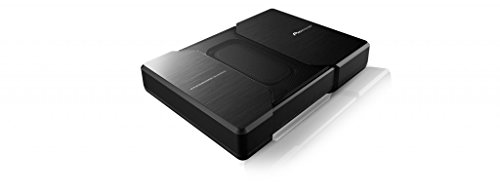
The Pioneer TS-WH500A is the kind of subwoofer that makes sense when you want bass in a car without turning the whole trunk into a project. I like that it feels more like a practical add-on than a full-blown audio obsession, which is exactly the appeal for a lot of people.
In real use, it’s the sort of unit you notice most when it’s missing. It fills in the low end in a way that makes the whole system sound less thin and more complete, especially if your factory speakers are doing all the heavy lifting.
02Sound and bass character
What stood out to me most is that this sub is about support, not chest-thumping drama. It gives music a firmer bottom end and helps kick drums, bass lines, and synths feel more grounded without constantly calling attention to itself.
I wouldn’t buy it expecting the sort of deep, room-rattling slam you get from a bigger box and a more aggressive setup. It’s better when you want bass that feels integrated and tidy rather than overcooked.
That makes it a good match for everyday listening. It’s the kind of bass upgrade that improves rock, pop, hip-hop, and even spoken-word content without making everything sound bloated or boomy.
03Size, placement, and build
The biggest win here is how little space it asks for. I appreciate gear like this because it solves a real problem for people who don’t want to sacrifice cargo room or deal with a bulky enclosure rolling around in the back.
The low-profile design also makes it easier to live with in smaller cars and tighter installs. It feels like Pioneer built it for people who want a cleaner, less obvious setup rather than a showpiece.
Build-wise, it comes across as sensible and purpose-driven. It doesn’t feel flashy, but it does feel like something meant to sit in a car and do its job without drama.
I like products like this most when they don’t turn installation into a weekend-long argument, and this one is aimed squarely at that kind of buyer. It’s designed to integrate into a system without demanding a whole new audio philosophy.
That said, getting the best out of it still depends on a little patience with placement and tuning. If you just bolt it in and walk away, you may end up with bass that’s either too obvious or not fully blended with the rest of the system.
Once it’s dialed in, though, it feels like a straightforward upgrade. The goal here is not to impress other audio nerds with complexity; it’s to make your system sound fuller in a way that’s easy to live with.
This is the subwoofer I’d point toward someone who wants a cleaner, simpler bass upgrade more than a full custom audio build. If you’re trying to keep your car usable and uncluttered, that matters a lot.
I also think it suits people who mostly listen to music at normal levels and want better weight and presence, not a competition-style setup. It’s a sensible choice for someone who wants the low end to show up without taking over the car.
If your goal is maximum output, this probably isn’t the endgame. But if you want a compact, easy-to-live-with sub that makes a factory or modest aftermarket system feel more complete, it fits the brief well.