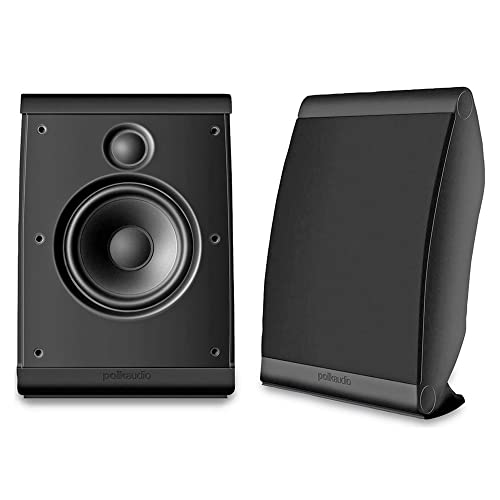
When I first set up the Polk Audio OWM3 speakers, I was pleasantly surprised by how well they handled my vinyl collection. For jazz, acoustic records, and lighter rock, these little guys really shine, delivering a clean and balanced sound that’s perfect for a small room. However, if you’re expecting deep, thumping bass, you might want to look elsewhere—these speakers are definitely on the leaner side when it comes to low-end response.
They do a commendable job of reproducing detail without sounding harsh, especially with vocals and instruments that are often buried in the mix. The OWM3s manage to create a pleasant listening experience, but they won’t give you that full-bodied warmth that larger bookshelf speakers can deliver. For my daily spins, they’ve been a joy, but I can’t help but feel that dedicated music listeners might find them lacking in depth.
The design of the OWM3 is where the flexibility really comes into play. These speakers are compact and wall-mountable, making them a fantastic choice for tight spaces where traditional bookshelf speakers just won’t fit. I’ve mounted mine in a bedroom office, and getting them off the desk has not only cleaned up my setup visually but also improved the overall soundstage.
The cabinet feels sturdy, and the 5-way binding posts are a nice touch for those who want to experiment with different setups. They can be positioned vertically or horizontally, which is a real bonus if you’re trying to fit them into an unconventional space. It’s a smart design that takes full advantage of their compact nature.
Setting up the OWM3s is straightforward, but it does come with a few caveats. Being passive speakers means you’ll need a receiver or amplifier to power them, which adds an extra layer of complexity compared to powered options. If you’re new to the world of audio, figuring out the whole signal chain—turntable to phono preamp to receiver to speakers—might feel a bit daunting at first.
Once you’ve got everything connected, though, the OWM3s are easy to integrate into your existing setup. Just remember that you’ll need speaker wire, and if you’re not already equipped with a decent amp, that’s another investment to consider. For those who are comfortable with a bit of gear, it’s a manageable process.
In everyday scenarios, the OWM3s excel as versatile speakers. Whether I’m listening to records, watching TV, or even using them for some casual gaming, they adapt well to mixed media use. They’re particularly great for smaller rooms where you want to maximize sound without taking up too much space.
However, if you’re looking for a dedicated music listening experience, you might find them lacking in imaging and bass response when compared to traditional bookshelf models. They can handle a variety of tasks, but if your main focus is on music, you might want to consider how much you value that robust, immersive sound.
05Upgrade Path / Who It’s For
The OWM3 is a great option for anyone who needs compact, wall-mountable speakers for a small room. If you’re a vinyl enthusiast looking for something that can fit into tight spaces while still sounding decent, these speakers are a solid choice. They’re particularly well-suited for those who might also want to use them for TV audio or mixed media, making them more adaptable than many traditional bookshelf models.