01Setup and first impressions
The Pro-Ject Primary E is one of those turntables that makes sense the second you take it out of the box. There’s not much to fuss over, and I mean that in a good way: it feels aimed at people who want to get records spinning without spending half a Saturday decoding instructions.
In the hand, it’s simple and lightweight rather than fancy, but it doesn’t feel flimsy in a cheap, disposable way. The whole thing has that no-nonsense Pro-Ject vibe where the money seems to have gone into making the essentials work properly instead of dressing the deck up with unnecessary extras.
What I like most here is how little mental overhead it asks for. If you’re new to vinyl, that matters a lot, because the Primary E doesn’t turn setup into a hobby inside the hobby.
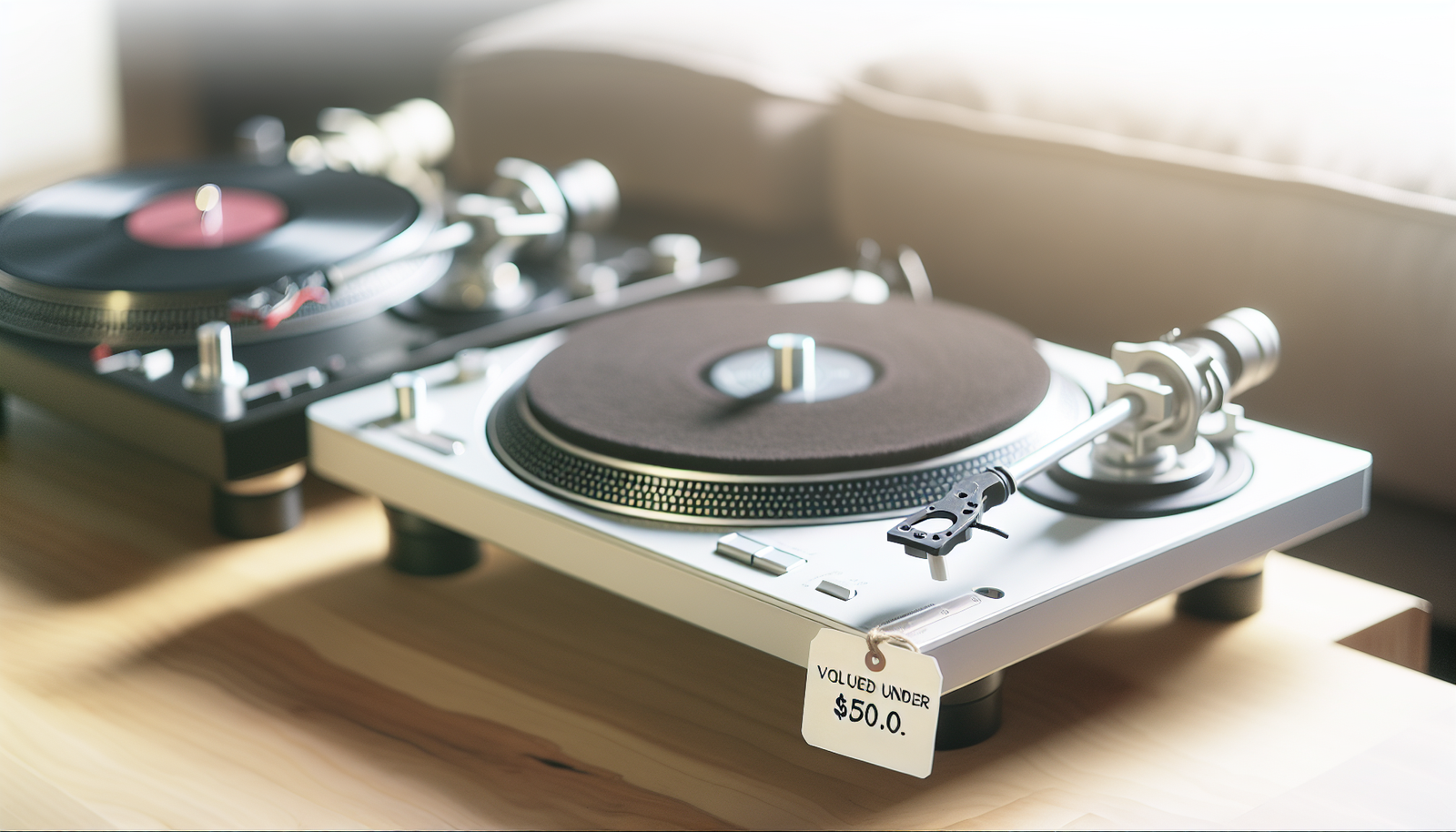
The Primary E looks exactly like what it is: an entry-level belt-drive deck that’s trying to do the basics well. It’s clean, understated, and easy to live with visually, which I appreciate because some budget turntables look like they’re trying too hard.
The plinth and arm assembly are straightforward, and the whole package feels focused on function over flash. I wouldn’t call it luxurious, but I also wouldn’t call it toy-like, which is the balance a lot of affordable decks miss.
There’s a certain honesty to the design that I find refreshing. It doesn’t pretend to be a statement piece; it’s just a compact, tidy turntable that gets out of the way and lets the records do the talking.
For the money, the Primary E sounds clean and easygoing. It doesn’t come across as aggressively detailed or hyper-analytical, but it does a nice job of keeping music coherent and listenable, which is usually what I want from a starter deck.
What stood out to me most was the way it handled everyday records without making them feel brittle or overexposed. It gives you a pleasant, musical presentation that works well for long listening sessions, especially if you’re spinning a mix of older pressings and modern reissues.
I wouldn’t buy this turntable expecting it to dig out every last microscopic detail from a system, because that’s not really the point. It’s more about giving you a stable, enjoyable baseline sound that feels like a proper step up from the cheapest all-in-one setups.
The Primary E is the kind of deck you can actually live with, not just admire for the first week. It’s simple to cue, simple to operate, and simple to keep in rotation, which goes a long way when a turntable is sitting in a real room instead of a review bench.
I also like that it doesn’t demand much attention once it’s set up. That makes it a good fit for people who want to listen to records regularly without getting pulled into constant tweaking, checking, and second-guessing.
It feels especially suited to someone building their first proper vinyl setup around a compact amp and bookshelf speakers. In that kind of system, it makes a lot of sense and doesn’t overcomplicate the chain.
05Who it’s for and upgrade path
I see the Primary E as a smart entry point for someone who wants a real turntable without getting buried in features they’ll never use. It’s stripped back in a way that feels intentional, and that makes it easy to recommend to first-time vinyl buyers who care more about listening than tinkering.
It also works well for someone who already knows they’re not chasing a forever deck right away. You can live with it, enjoy it, and later move up the chain without feeling like you wasted your time on something gimmicky.
If you’re the sort of listener who wants built-in convenience features, lots of adjustment options, or a deck that feels more like a project, this probably won’t scratch that itch. But if you want a straightforward turntable that gets the basics right and stays out of your way, the Primary E makes a strong case for itself.