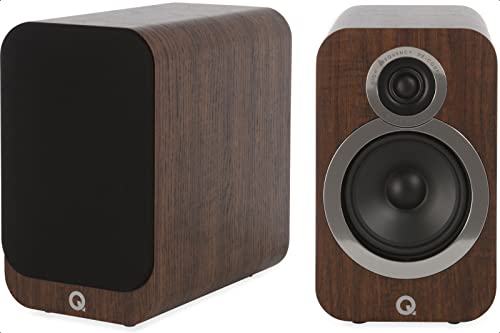
The first thing I noticed with the Q Acoustics 3020i is how easy they are to listen to. They don’t try to impress with fake drama or overcooked treble; instead, they just get out of the way and let the music breathe. That makes them especially good for long sessions, because I never felt like I had to turn them off to give my ears a break.
What stood out most to me was the balance. Voices sit naturally in the mix, guitars have a nice bit of body, and cymbals stay clean without getting splashy or brittle. They’re not the kind of speakers that bulldoze you with bass, but the low end is tidy and musical, which matters more in a real room than a lot of people admit.
I also liked how they handled different genres without acting picky. They’re comfortable with acoustic records, indie rock, older pressings, and even busier mixes, though they do best when the rest of the system is not trying to force excitement on top of them. If you want a speaker that sounds polished rather than flashy, this is very much that kind of box.
02Tonal Balance and Midrange Character
The midrange is really where these speakers make their case. Instruments and vocals come through with a sort of easy, slightly refined presentation that doesn’t feel hyped or thin. On vinyl, that’s a big deal, because a lot of records live or die by how well a speaker handles the middle of the mix.
I found the 3020i to be forgiving without sounding dull. They smooth over rough edges in older recordings, but they don’t wipe away all the texture, which is the sweet spot I want from a bookshelf speaker in a living room. There’s enough detail to keep things interesting, but not so much spotlighting that every flaw gets shoved in your face.
Treble is controlled and civilized, which I appreciated more the longer I lived with them. They’re not built for people who want a sharp, hyper-etched top end, and honestly I think that’s a strength here. The overall voicing feels like it was tuned by someone who actually listens to records for pleasure, not just for hi-fi fireworks.
03Build, Finish, and Living Room Presence
The 3020i look clean and grown-up without being boring. They have enough visual polish to sit comfortably on a shelf, stand, or console, and they don’t scream for attention the way some “audiophile” speakers do. In a real room, that matters, because good sound is easier to live with when the speakers don’t dominate the space.
The cabinets feel solid and well put together, and that gives them a more substantial presence than their size might suggest. I also like that they don’t come off as fragile or fussy, which makes them easier to place and forget about. They feel like something you can actually keep in a normal home, not just in a dedicated listening cave.
From a day-to-day standpoint, they’re the kind of speakers that blend in until you sit down and listen. That’s a compliment. I’d rather have a bookshelf speaker that disappears visually and sounds composed than one that looks flashy and reminds me of itself every time I walk past it.
04Placement, Setup, and Room Matching
These speakers are pretty straightforward to live with, but they do reward a little care in placement. I found they sounded best when they had some breathing room and weren’t shoved hard against a wall, where the bass can get a bit thicker than I’d like. Give them decent stands or a stable shelf and they settle in nicely.
They’re also easy to integrate into a modest stereo setup. I didn’t have to fight them to get a coherent soundstage, and they were forgiving enough that I didn’t feel like I needed a perfect room to enjoy them. That makes them a sensible choice for people who want better sound without turning their living room into a science project.
They’re not the best pick if you want huge room-filling scale from one small pair alone, but that’s true of most bookshelf speakers. In a smaller to medium-sized room, though, they make a very convincing case for themselves. They feel like speakers that understand their job and don’t overreach.
05Who They’re For and How Far They Go
I think the 3020i make the most sense for someone who wants an honest, easygoing speaker that flatters vinyl without sounding soft or sleepy. If your system is built around long listening sessions and you care more about musical flow than brute-force impact, they fit that brief really well. They’re especially appealing if you’ve been burned by speakers that sound exciting for ten minutes and tiring after that.
They also make a lot of sense as a “serious but not obsessive” upgrade. You don’t have to build a perfectly matched system around them to get good results, but they’re good enough that they won’t feel like the weak link in a thoughtful setup. That balance is what makes them easy to recommend.
I wouldn’t buy them if my main goal was maximum bass slam or a big, aggressively detailed presentation. That’s not their personality. What they do offer is a polished, comfortable, genuinely musical listen, and for a lot of people that’s the more useful kind of hi-fi.