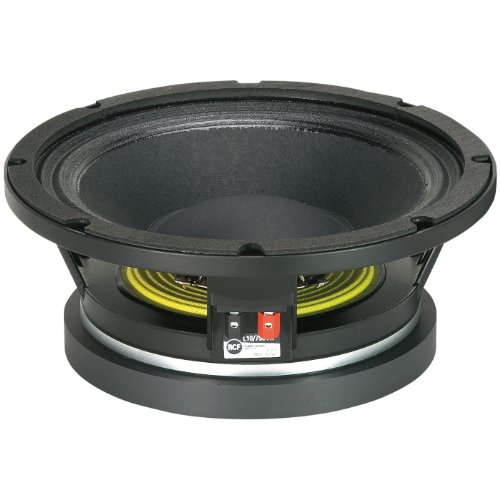
When it comes to sound, the RCF L10750YK delivers a solid punch that really enhances a vinyl setup. It fills in the low end beautifully, adding that depth to bass lines and kick drums that small bookshelf speakers often struggle to reproduce. I’ve found that with careful tuning, it doesn’t just add bass; it integrates seamlessly to create a fuller, more immersive listening experience.
One of the standout features is how it enriches synth lows, making electronic music feel more alive without muddying the mids. It’s crucial to note, though, that better bass doesn’t mean simply cranking up the volume. Instead, it’s about having that low-end extension that complements the rest of your sound without overwhelming it, and this sub does just that.
Setting up the RCF L10750YK can be a bit of a mixed bag, especially for those new to home audio systems. While it’s an active subwoofer that handles its own amplification, the integration process can be tricky if your turntable and receiver don’t have the right outputs. You’ll need to ensure you have a proper signal path, which means a phono preamp and a receiver with a subwoofer output are essential for a smooth setup.
03Connectivity & Features
The connectivity options are pretty straightforward, but they hinge on your existing gear. The L10750YK connects at line-level with RCA inputs, which means your receiver must have the right outputs to make this work. If your current setup lacks a dedicated sub output, you might find yourself in a bit of a bind, and that’s where the frustration can kick in.
It’s important to check compatibility before diving in. For instance, if you’re using compact speakers that need some low-end help, this sub can be a game changer. Just make sure your receiver can handle bass management; otherwise, you may end up with a lot of trial and error to get the integration just right.
In day-to-day listening, the RCF L10750YK shines, especially in small to medium-sized rooms. It’s impressive how it can make compact speakers sound bigger and more robust without cranking up the volume. I’ve found that at normal listening levels, it fills the space with a rich, full-bodied sound that makes even the simplest records feel dynamic.
Of course, be cautious with placement; too much output in a small room can lead to overwhelming bass, which can muddy the overall sound. If positioned well, though, this sub can balance your setup and enhance your listening experience significantly, making it a solid addition to any vinyl lover’s collection.
05Upgrade Path / Who It's For
The RCF L10750YK is particularly appealing for those who want to enhance their existing system without going through the hassle of a complete speaker overhaul. If you have decent compact speakers that just need a little more low-end oomph, this sub is a great way to achieve that without breaking the bank. Plus, it’s often less disruptive than moving to larger full-range speakers.
This sub is perfect for apartment dwellers or anyone with limited space who still wants to enjoy a rich sound. However, if your current setup is lacking in quality speakers or amplification, you might find that upgrading those first could solve more problems than just adding a subwoofer. It’s all about finding the right balance in your audio chain.