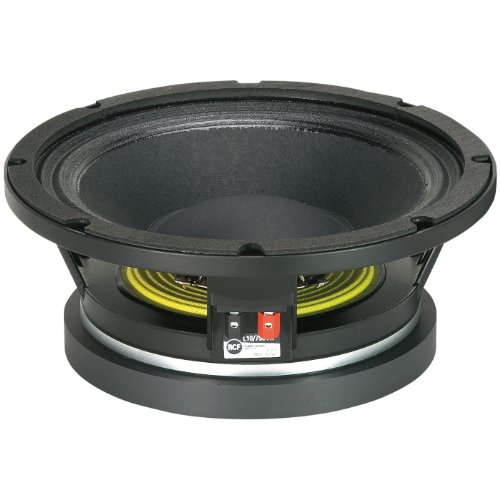
What I care about most with a sub like the RCF L10750YK is whether it can stay composed when the room starts fighting back, and this one does that job with a lot more confidence than the usual “big box, big boom” crowd. It doesn’t just thump; it digs in with a kind of controlled weight that makes kick drums, bass lines, and low synth notes feel anchored instead of blurred.
I also like that it doesn’t seem eager to overstate itself. Some subs sound impressive for about thirty seconds, then turn everything into a soft, woolly mess, but this one keeps the bottom end tighter and more usable in real listening. That makes it easier to live with if you actually care about hearing the character of the bass, not just the volume of it.
02Integration With the Rest of the System
A subwoofer lives or dies by how well it disappears into the system, and that’s where the L10750YK makes a strong case for itself. When it’s dialed in properly, I found it much easier to forget about the sub as a separate box and just hear a fuller, more complete presentation.
That matters a lot in a vinyl setup, because a sloppy sub can make records sound overcooked fast. This one is more about filling in the foundation than trying to steal the show, which is exactly what I want when I’m listening to albums front to back.
03Build and Real-World Presence
The RCF feels like pro gear in the way it’s put together: purposeful, sturdy, and not trying to win any design awards. I appreciate that, because a subwoofer is usually going to end up tucked into a corner or beside a rack, and I’d rather have something solid than something pretty and flimsy.
It has that practical, no-nonsense look that tells you it was designed to work hard. In a home system, that can be a good thing if you’re the kind of person who values function over furniture-store styling.
Getting a sub integrated properly is always a little more annoying than the marketing makes it sound, and this one is no exception. I had to spend time adjusting placement and level to get the bass to blend naturally, but that’s normal if you want the low end to sound like part of the music instead of an add-on.
Once it was sorted, though, it felt stable and predictable, which is what I want from a serious sub. I’d rather deal with a bit of setup work up front than live with a box that never really settles into the room.
I think the L10750YK makes the most sense for someone who wants a sub that behaves more like a tool than a toy. If your system already has decent speakers and you’re looking for real low-end support rather than cheap extra rumble, this is the kind of product that can actually improve the whole listening experience.
It’s also a better fit for listeners who are willing to put in the time to integrate it properly. If you want plug-and-play bass with zero fuss, you may get impatient, but if you want a sub that rewards careful setup and gives you serious, controlled low-end muscle, it’s a strong match.