The first thing I noticed with the Planar 3 is how clean and unforced it sounds. It doesn’t try to impress by sounding big and glossy; instead, it gets out of the way and lets records keep their shape, which is exactly what I want from a turntable at this level.
What stands out most to me is the timing. Drums have proper snap, bass lines stay taut, and busy records don’t smear into a mess when things get crowded. It has that classic Rega way of making music feel alive and moving without sounding hyped.
I also like how it handles vocals and acoustic instruments. There’s a natural, slightly lean clarity to the presentation that makes it easy to hear into a mix, but it never turns brittle or clinical in my room.
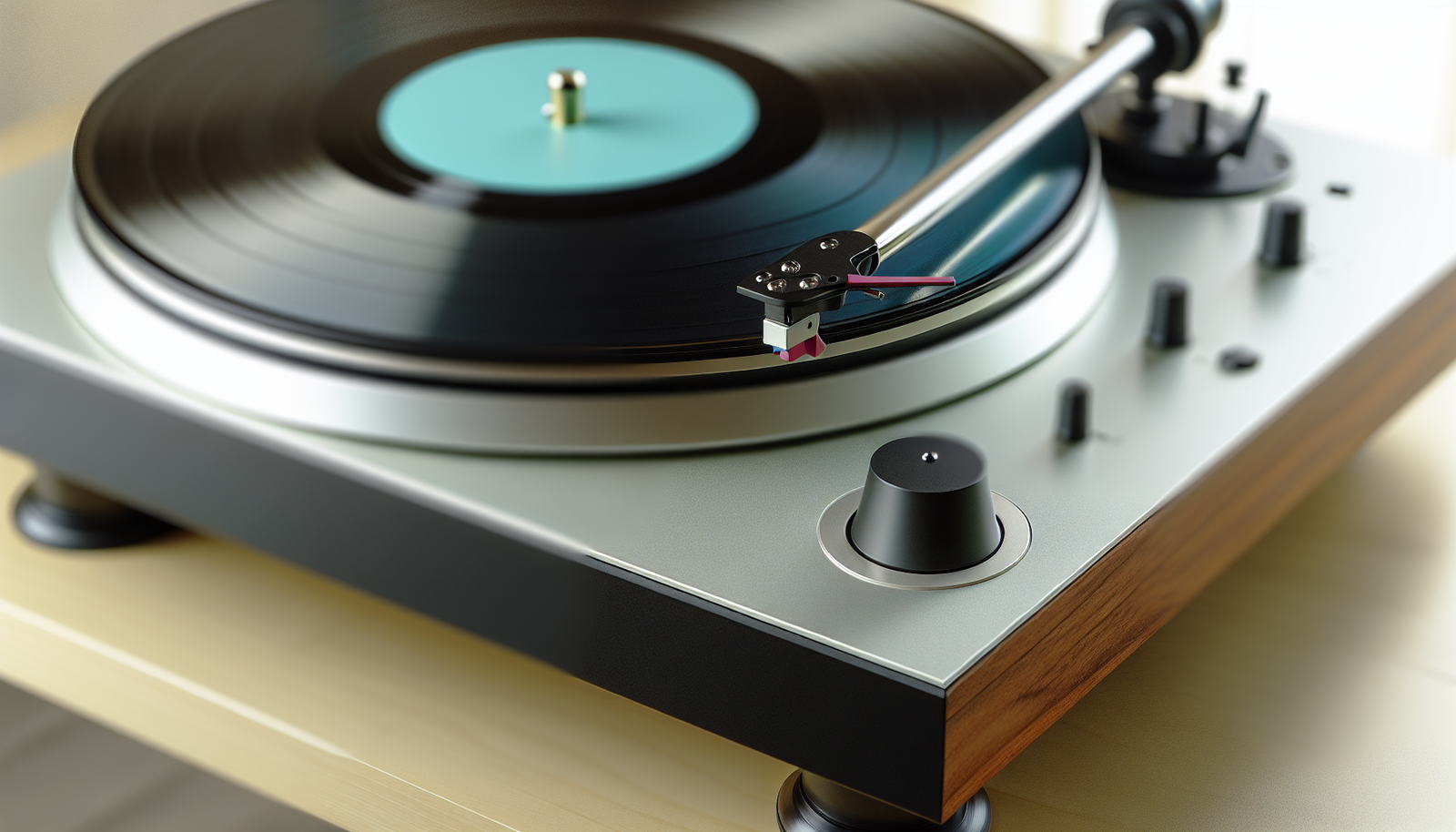
The Planar 3 feels like a turntable built by people who care more about the listening experience than flashy furniture appeal. The plinth is light and rigid rather than heavy and overbuilt, and that approach gives it a kind of focused, no-nonsense character I’ve always associated with Rega.
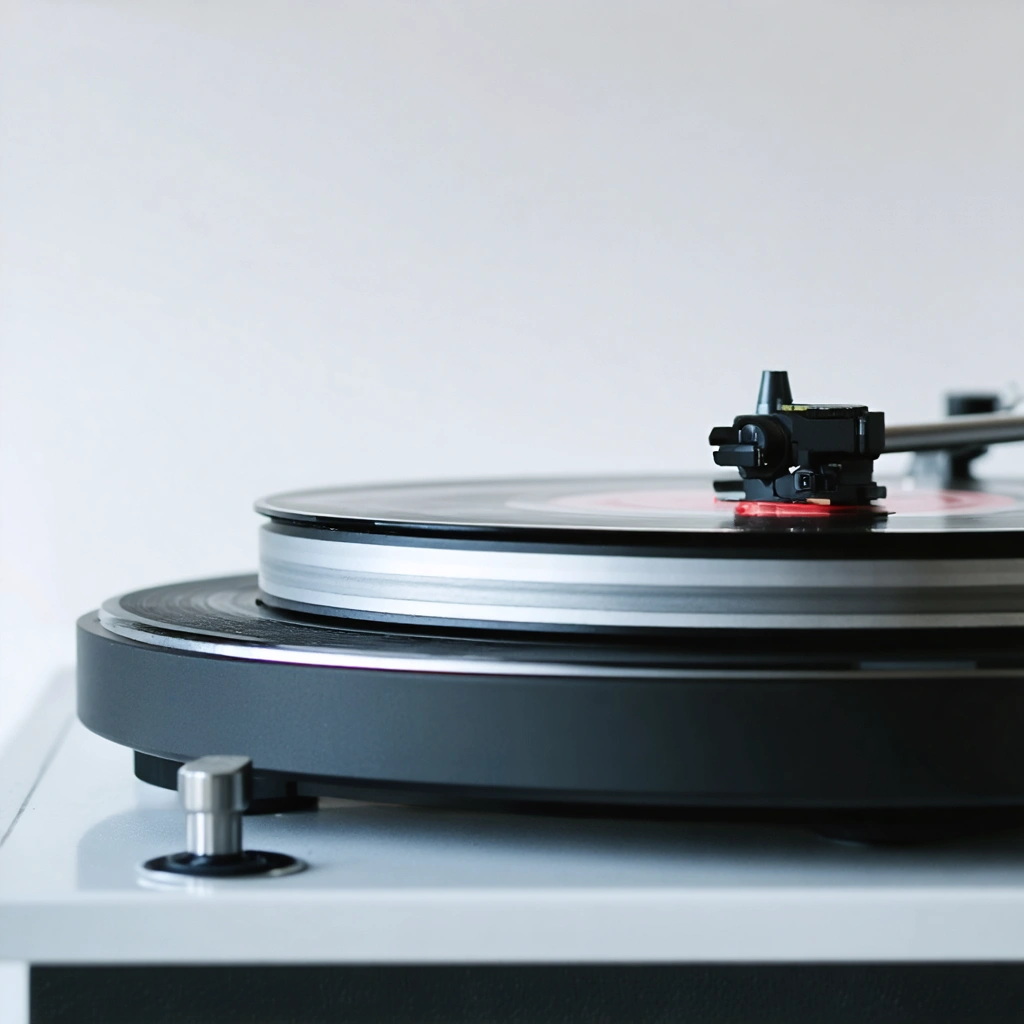
It’s not the sort of deck that overwhelms a room visually, which I actually appreciate. It looks clean, sits low, and has a purposeful simplicity that makes it easy to live with on a rack or shelf.
That said, it’s also a reminder that this is a serious music tool, not a luxury object full of decorative extras. If you want a turntable that feels more like a precision instrument than a showpiece, this one makes sense.
In day-to-day use, the Planar 3 is refreshingly straightforward. Once it’s set up properly, I find myself just dropping the needle and getting on with the music, which is really the whole point.
There’s a bit of care required at the start, especially if you’re new to turntables, but nothing about it feels fussy for the sake of being fussy. It rewards a little attention during setup, and after that it behaves like a deck that wants to be used regularly.
I also appreciate that it doesn’t make me babysit it. The speed stability and general consistency give me confidence when I’m playing records back-to-back, and that matters more to me than a bunch of convenience features I’d rarely touch.
The Planar 3 keeps things pretty bare-bones, and I think that’s part of its appeal. You’re buying into a purist approach here, where the money goes into the parts that affect playback rather than into extras that sound nice on a spec sheet.
Because of that, it’s the kind of turntable that works best when the rest of your system is already sorted. Pair it with a decent phono stage and a revealing amp/speaker setup, and it has enough resolution to show you what your records and cartridge are really doing.
I wouldn’t call it a plug-and-play lifestyle product, and that’s fine by me. It’s more of a serious hi-fi component for someone who cares about the chain and doesn’t need Bluetooth, built-in phono, or other shortcuts.
The Planar 3 makes the most sense for someone who’s past the “just get me playing records” stage and wants a deck that can actually anchor a proper system. It’s a turntable for people who listen critically but still want the music to feel fun and immediate.
I think it’s especially good if you like upgrading your system in pieces. The Planar 3 gives you a strong base to build around, and it has enough quality in the core design that better cartridges and phono stages can genuinely move the needle.
If you want maximum convenience or a feature-packed all-in-one experience, this probably isn’t your endgame. But if you want a turntable that stays focused on sound, rhythm, and long-term usability, I think the Planar 3 is still one of the easiest recommendations to make.