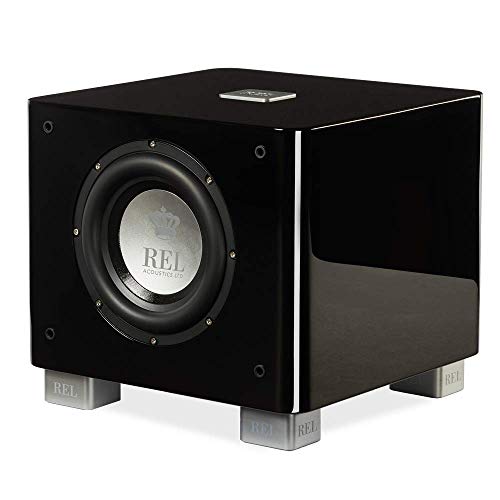
The REL T/7x shines in the sound department, delivering bass that feels both weighty and controlled. Unlike some subwoofers that can muddy up the stereo image, the T/7x manages to add depth without overshadowing the clarity of other instruments. Kick drums have a satisfying body, and bass guitars take on a shape that makes them feel more present in the mix.
One of the standout features is how it maintains the integrity of vocals and other midrange elements. You won’t find yourself adjusting the volume excessively to compensate for a boomy low end; instead, everything stays locked in place, allowing for a more immersive listening experience. This is music-first performance at its best.
The T/7x is a premium-looking piece of gear, and I appreciate how its clean cabinet finish complements my setup. It’s not just about aesthetics, though; the sealed cabinet and down-firing passive radiator contribute to its quick, composed sound. You can tell that REL has put thought into the materials and design, which gives it a sense of durability and class.
Its footprint is reasonable, making it a great fit for small to medium rooms without feeling overwhelming. You want a sub that looks good and fits in seamlessly with your other components, and the T/7x does just that while still delivering impressive performance.
Getting the T/7x up and running is straightforward, but I found that it requires a bit of fine-tuning to get the best results. You’ll need to take some time to dial in the crossover, placement, and phase settings. If you skip this step, you might end up with an upper bass that feels thick and overpowering, which can detract from the overall listening experience.
One of the advantages of the high-level input is that it feels more natural when integrating into a two-channel rig. If you’re coming from a turntable and phono preamp, the REL connection can make for a smoother integration than some theater-style subs, but don’t underestimate the importance of proper setup.
04Connectivity & Features
The T/7x offers both high-level and low-level RCA inputs, which is a nice touch for flexibility. If you’re using a more traditional stereo setup, the high-level input makes it easy to connect and integrate seamlessly. This is particularly useful for those of us who prioritize music over home theater, as it keeps the signal path cleaner.
However, if you’re looking for bells and whistles, you might find the T/7x a bit lacking compared to competitors like the SVS SB-1000 Pro, which has more features for mixed use. But for a music-first approach, the simplicity of the REL’s connectivity is refreshing.
In day-to-day listening, the REL T/7x excels at enhancing the overall musical experience without drawing attention to itself. It’s not about overwhelming bass; it’s about adding the right amount of low-end support to your favorite records. Whether I’m spinning jazz, rock, or classical, the T/7x brings out the nuances in the music, making each session feel special.
That said, if your main speakers are on the weaker side, don’t expect the T/7x to perform miracles. It works best when paired with capable bookshelf speakers; otherwise, you might find yourself disappointed if you’re trying to use it as a fix for a lackluster system. It’s a great addition for those ready to elevate their sound, but it’s not a magic bullet.
06Upgrade Path / Who It's For
The REL T/7x is best suited for those who already have a solid turntable, a capable stereo receiver or integrated amp, and speakers that deserve better low-end support. If you’re looking to enhance your music-first room, this subwoofer is a strong buy. However, if you’re in the market for something that delivers dramatic movie-style impact, you might want to consider other options.
For smaller rooms, I’d recommend checking out the REL T/5x, which may be a more sensible choice. Conversely, if you have a larger space and crave more authority and headroom, the T/9x might be the way to go. Ultimately, the T/7x is a fantastic option for music lovers who want to add depth and richness to their listening experience without compromising on quality.