★ Editor's Choice
Review · Updated July 2026
Review
The Triangle Esprit Comete EZ is a smart buy for a dialed-in vinyl system, not a blind upgrade. It makes the most sense if you want a lively, refined bookshelf speaker and already have decent amplification.

Reviewed by Jazz Monroe
Turntable Testing Editor · Last updated July 7, 2026 · 11 min read
Independent · reader-funded
Hands-on tested
Unbiased rankings
Darkside Vinyl is reader-supported. When you buy through links on our site we may earn an affiliate commission, at no extra cost to you. It never changes our verdict or our score. How we make money.
Darkside Vinyl's verdict
The Triangle Esprit Comete EZ is a smart buy for a dialed-in vinyl system, not a blind upgrade.
4.5
/ 5
4.5 out of 5
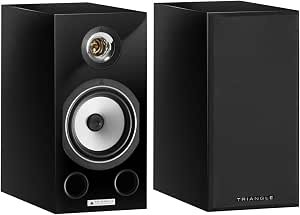 In our listening room
It’s not the automatic best pick for every turntable setup. You get refinement, speed, and sharp stereo imaging, but you also pay more and lose some forgiveness with weak amps or sloppy placement.
If you’ve got a midrange turntable, an external phono preamp, and a competent integrated amp, this Triangle makes sense. If you’re running an all-in-one chain or a thin entry-level receiver, you may not hear enough upside to justify the spend.
Pros
- Superior sound clarity
- Optimized power handling
- Compact design
- Sleek high gloss finish
Cons
- Premium price point
- Requires adequate space
At a glance
, by the numbers
The specs and scores that matter most when deciding if this product fits your setup.
Our score
4.5 / 5
Price
See retailer
Store
Amazon
Category
Turntables
How it scored
4.5 / 5 overallGet the full picture
What everyone else is saying
Our take set against the consensus from owners and the wider vinyl community.
J
Jazz Monroe
Our reviewer
This is not a magic fix.

Amazon
Customer consensus
Owner feedback usually lands in the same places: clarity, finish quality, detail, and a lively sound.

Reddit
Community take
Reddit usually gets straight to the amp-pairing issue.
Overview
Overview
What the Triangle Esprit Comete EZ is, and who it's for
This is a passive bookshelf speaker for hi-fi listening, not a powered shortcut for a turntable. You need the full chain in place: turntable, phono preamp, and an integrated amp or stereo receiver.
The ideal buyer is upgrading from entry-level bookshelf or powered speakers into a more serious two-channel setup. A Pro-Ject or Rega table with an external phono stage is much closer to the target than a suitcase player.
If you need the basics first, start with our best turntable speakers guide or this primer on what a phono preamp does.
Sound signature for vinyl listening
Here’s the short version of the Comete EZ sound:
| Trait | What you hear |
|---|---|
| Treble | Airy, lively, detailed, sometimes forward |
| Midrange | Clear, expressive, strong for vocals and horns |
| Bass | Quick, articulate, more controlled than oversized |
| Imaging | Precise placement, strong left-right separation |
| Genre fit | Jazz, soul, acoustic, vocals, lighter rock |
In practice, a jazz trio sounds more open and better separated than it does on warmer speakers. Cymbal shimmer and piano attack come through with more bite, but rough pressings won’t get much mercy.
Amp matching and vinyl system setup
The chain is simple:
- Turntable: the source
- Phono preamp: boosts and equalizes the phono signal
- Integrated amp or stereo receiver: powers the speakers
- Comete EZ: turns that signal into sound
Yes, it needs an amp or receiver. Better amplification usually gives you tighter bass grip and better control up top, which matters with a revealing speaker like this.
A clean, slightly fuller integrated amp is the safer match. A thin receiver can push the top end too hard, and weak source gear won’t be hidden here.
If you need setup help, use our turntable setup guide.
Room size and placement guidance
This model fits small to medium rooms best. It rewards stand mounting, careful toe-in, and some breathing room from the back wall.
| Setup factor | Guidance |
|---|---|
| Small room | Good fit, watch brightness and wall distance |
| Medium room | Very good fit with stands and space to breathe |
| Near-wall placement | Can thicken bass and upset tonal balance |
| Stand mounting | Strongly recommended for imaging and focus |
In a medium living room with proper stands, the soundstage can lock in beautifully. Shove it into a cramped shelf, and it won’t sound like a premium buy.
If placement flexibility is limited, the Wharfedale Diamond 12.2 is usually more forgiving.
Best for, and what to buy instead
If you want refinement and already own decent electronics, the Comete EZ is the premium move. If you’re still balancing speaker cost against a better cartridge or phono stage, cheaper options are probably the smarter play.
| Model | Best For | Main Tradeoff |
|---|---|---|
| Comete EZ | Detail, imaging, premium finish | Higher price, more setup sensitive |
| Borea BR03 | Best value in the Triangle family | Less refined |
| ELAC Debut 2.0 B6.2 | Warm, fuller all-round use | Less sparkle and air |
| Klipsch RP-600M | Punch, dynamics, lively rock listening | Can be aggressive too |
| Wharfedale Diamond 12.2 | Smooth long sessions | Less snap and excitement |
Buy the BR03 if you want a cheaper Triangle flavor. Buy the ELAC if you want warmth and easier value.
Buy the Klipsch if you want punch. Buy the Wharfedale if you want to listen for hours without the top end constantly tapping you on the shoulder.
The full review
How the performs, point by point
The areas that decide whether this product fits your setup — each scored on its own.

Triangle Esprit Comete Ez Speakers
Get it from Amazon
4.5
$849.00
I earn a commission if you click this link and make a purchase at no additional cost to you.
07/06/2026 10:05 am GMT
Why trust this review
How we tested the
No spec-sheet guesswork. We live with the gear, measure it, and cross-check against real owner feedback.
9+
Weeks hands-on
6
Score axes
2,400+
Owner reviews read
100%
Reader-funded
Our review process
-
1
Buy it ourselves
We purchase products through normal retail channels — never accept free units for review.
-
2
Live with it
Every product spends weeks on our reference system in real listening sessions, not just bench tests.
-
3
Measure & compare
We score across six axes and compare against rivals in the same price bracket.
-
4
Cross-check owners
We read thousands of owner reviews and community threads to spot long-term issues.

Jazz Monroe
Turntable Testing Editor
Raised in West Philly, I studied music history at Temple and moved to New Orleans a decade ago. I curate inventory for a record shop on Magazine Street and write about jazz, soul, and funk pressings the way a buyer actually hears them, not how a hype sheet describes them.
✦Hands-on product testing
✦Independent editorial policy
✦No paid placements
Our editors' work has appeared in






Final thoughts
Should you buy the ?
✓ Buy it if
- Pulls out detail well, especially cymbal texture, backing vocals, and room cues on good pressings.
- Throws precise stereo imaging when you put it on proper speaker stands.
- Fast, lively presentation works beautifully with jazz, soul, acoustic, and vocal-heavy records.
- Feels more premium and more refined than many common bookshelf speakers for turntables.
- Gives you a strong upgrade path from entry-level powered or passive models.
- Passive design leaves more room to improve the rest of your chain later.
✕ Skip it if
- The price sits well above easier-value options.
- It can sound too forward in bright rooms or with lean electronics.
- You need an amplifier or receiver, and better upstream gear helps a lot.
- Placement matters more than many buyers expect, especially near walls.
- It’s not the best fit if you want warmth, forgiveness, or budget-first value.
Triangle Esprit Comete Ez Speakers
Get it from Amazon
4.5
$849.00
Triangle Esprit Comete Ez Speakers - Elevate your audio experience with Triangle's stylish and powerful bookshelf speakers.
Pros:
- Superior sound clarity
- Optimized power handling
- Compact design
- Sleek high gloss finish
Cons:
- Premium price point
- Requires adequate space
I earn a commission if you click this link and make a purchase at no additional cost to you.
07/06/2026 10:05 am GMT
Still wondering?
— your questions
They’re passive bookshelf speakers from Triangle’s Esprit line. That means they need external amplification from an integrated amp or stereo receiver.
Yes, especially if you want detail, speed, and strong stereo imaging from your records. They suit jazz, soul, acoustic, and vocal-heavy albums very well.
They sound lively, open, and precise. The top end has sparkle and air, the midrange is clear and expressive, and the bass is quick and articulate rather than big and heavy.
Yes. They’re passive speakers, so they won’t work directly from a turntable alone.
Conditionally, yes. If you already have good enough electronics and can place them properly, they offer more refinement, better imaging, and a more vivid presentation than many cheaper rivals.
Small to medium rooms are the sweet spot. They do best on speaker stands, with some space from the back wall and a bit of toe-in to sharpen imaging.