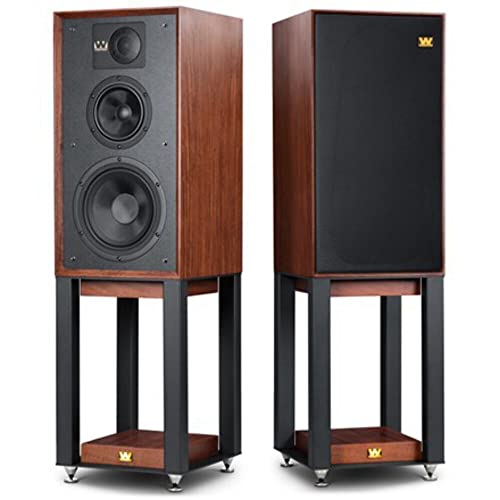
Sound, size, and setup in plain English
This is a large passive bookshelf speaker with a warm, full presentation. "Bookshelf" doesn't mean small here, and that's the first thing I'd want any beginner to understand.
The three-way layout uses a woofer, a dedicated midrange driver, and a soft dome tweeter. In practice, that means more body, more scale, and a more relaxed sound than many smaller two-way speakers can manage.
If your current setup gets thin when you turn it up, this model is aimed right at that problem. The larger cabinet helps it sound bigger and less strained, but only if your room and gear can support it.
Linton vs smaller or simpler options
Here's the short version:
| Option |
Best for |
Sound character |
Setup difficulty |
Room fit |
| Wharfedale Linton |
Living room vinyl systems |
Warm, full, relaxed |
Medium to high |
Medium to large rooms |
| Smaller bookshelf speakers |
Apartments, tighter spaces |
Leaner, cleaner, easier to place |
Medium |
Small to medium rooms |
| Powered speakers |
First setups, convenience |
Varies, often less scale |
Low |
Small to medium rooms |
| Modern neutral speakers |
Detail-focused listeners |
Cleaner, more analytical |
Medium |
Depends on model |
Against smaller passive speakers, the Linton gives you more body and a bigger presentation, but it's harder to place. Against powered bookshelf speakers, it offers a better upgrade path, but you give up convenience.
Against more neutral speakers, it usually sounds warmer and fuller, but less analytical. If you want every edge outlined with maximum precision, this probably isn't your lane.
Skip this if:
- You have a tiny room
- You want a desk setup
- You want one-box simplicity
- You don't want to budget for stands and an amp
A bigger speaker isn't automatically better. It's more like buying a sectional for a studio apartment: great piece, wrong room, instant regret.