01Connectivity & Features
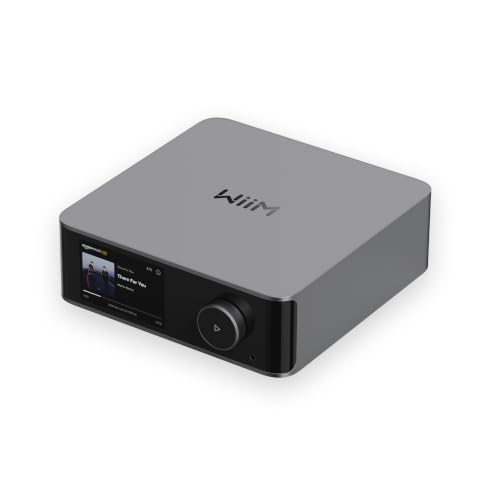
The WiiM Ultra truly shines in the connectivity department. With analog inputs, HDMI ARC, sub out, and even a headphone jack, it feels like the ultimate traffic cop for my living room setup. I often found myself juggling multiple sources, from my turntable to streaming services and TV audio, and this unit handled it all without a hitch.
What’s more, the range of streaming support is impressive. It covers everything from TIDAL Connect to Bluetooth, so whether I was diving into my vinyl collection or firing up a playlist on Spotify, the Ultra had me covered. This is a huge win for anyone who wants a versatile hub rather than just a basic streamer.
In my day-to-day experience, the touchscreen was a pleasant surprise. While I still relied on the app most of the time, having the ability to quickly glance at playback info or switch inputs without fishing for my phone was genuinely useful. It’s a small, thoughtful touch that adds to the overall user experience.
However, I found that the screen, while nice, wasn’t a game-changer. If you’re someone who’s already set on controlling everything through your phone or tablet, you might not find it to be a must-have feature. It’s more of a bonus that enhances the experience rather than defining it.
When it came to sound quality, I was pleasantly surprised by the WiiM Ultra’s performance. The built-in ESS Sabre DAC provides a smooth, detailed sound that really brought my vinyl to life. However, I did notice that if you’re working with entry-level speakers or a basic Bluetooth turntable, the Ultra won’t magically transform your listening experience.
For those with a more refined setup, the Ultra can definitely elevate your audio game. But if you’re still on the fence about your turntable or speakers, I’d recommend focusing on those components first. A better cartridge or a solid phono stage might yield a more noticeable improvement in sound quality.
Setting up the WiiM Ultra was a breeze. I plugged it in, connected my turntable, and it was ready to go in no time. The app made it easy to integrate all my streaming services and adjust settings, which is a huge plus for anyone who might feel overwhelmed by more complex systems.
That said, I can see how it might be overkill for someone who only needs basic streaming capabilities. If you’re just looking for a simple way to get music into powered speakers, this might feel like more box than system. It’s essential to assess your needs before diving into all the features this unit offers.
The WiiM Ultra is ideal for vinyl enthusiasts who want a versatile hub that can handle streaming and TV audio without cluttering their space. If you’re someone who enjoys mixing analog and digital sources, this is a great fit. It serves as a central point for your entire audio setup, making it a strong contender in a mixed-use environment.
However, if your system is more basic, like a Bluetooth turntable paired with entry-level speakers, you might find that investing in better components would yield more significant benefits. The Ultra is fantastic, but it’s crucial to ensure it aligns with your overall audio goals before committing to its capabilities.