01Content and teaching style
I like that this book doesn’t waste time trying to be cute about chess. It gets to the point in a way that feels built for actual learning, not just for showing off how much chess jargon it knows.
What worked best for me is how approachable it feels without talking down to you. I never got that “you should already know this” vibe, which makes a huge difference when you’re trying to build confidence instead of just memorizing moves.
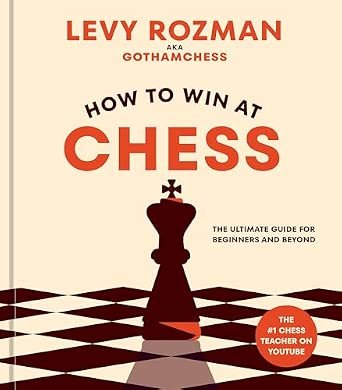
The book is easy to live with in the hand, and that matters more than people think. If a chess book is visually cluttered or hard to follow, I stop using it pretty quickly, and this one doesn’t have that problem.
I found the pacing of the pages comfortable, with enough breathing room that I could actually absorb the ideas instead of feeling like I was staring at a wall of text. It’s the kind of layout that encourages you to keep going for one more section, which is half the battle with instructional books.
03Practical usefulness for study
This is the sort of book I’d keep nearby while playing or reviewing games, because it feels meant for repeat use. I wasn’t reading it like a novel; I was dipping in, backing up, and coming back to sections as needed.
That makes it more useful than a lot of chess books that are impressive on the shelf but awkward in real life. It gives me something I can actually refer to when I’m trying to understand why a position went wrong or what I should have been looking for.
I think this works best for someone who wants to get better without getting buried in dense theory. If you’re still building your foundation, it feels like a friendlier place to start than a lot of harder-edged chess books.
More advanced players may still find value in it, but I’d expect them to use it more as a refresher or a clean explanation of core ideas. For me, that’s not a weakness so much as a sign that the book knows exactly what lane it’s in.
05Everyday use and shelf value
Some books are great once and then disappear into the shelf. This one feels like something I’d actually pull back out, which is usually the best compliment I can give a chess book.
It also has that nice balance of being readable and practical enough that I don’t mind leaving it out with my other study stuff. If a book makes me want to keep learning instead of just “finishing” it, that’s a win in my book.