01Sound Character and First Impressions
The first thing I noticed about the RP-600M is that it doesn’t waste time being polite. It has that classic Klipsch energy right out of the box: lively, forward, and very much awake, which makes records and streaming sessions feel immediate instead of sleepy.
Voices come through with a lot of presence, and guitars have a bite that can be really addictive if you like your music to feel close and direct. On well-recorded material, they can sound exciting and detailed in a way that makes me keep reaching for “one more track.”
That said, these are not speakers that try to smooth over bad recordings or soft masterings. If the mix is sharp, bright, or compressed, the RP-600M will let you know pretty quickly, so they reward systems and rooms that don’t already lean edgy.
02Treble, Midrange, and the Klipsch Personality
The treble is where these speakers make their personality known. Cymbals have plenty of shimmer, snare hits crack with real snap, and there’s a sense of air that makes the presentation feel open rather than boxed in.
I also like how the midrange stays intelligible even when the music gets busy. Vocals sit forward enough to stay clear, and dialogue-heavy listening or vocal-led albums benefit from that easy-to-follow presentation.
The tradeoff is that they can sound a little aggressive if you pair them with a bright amplifier or stick them in a lively room with lots of hard surfaces. I found they were happiest when I gave them a setup that leaned a touch warm or at least didn’t add more glare to the top end.
03Bass, Dynamics, and Everyday Listening
For a bookshelf speaker, the RP-600M has a surprising amount of punch. Kick drums hit with real impact, bass lines are easy to track, and the whole presentation has a snap that makes rock, funk, and live recordings feel energized.
I wouldn’t call them bass-heavy in the big, room-filling sense, but they do a good job of sounding full without getting bloated. In a smaller or medium-sized room, they can absolutely carry the low end in a satisfying way, especially if you’re not expecting subwoofer-like depth from a standmount.
What stands out most is how dynamic they feel at normal listening levels. They wake up fast, play loud without sounding strained too early, and keep music sounding lively even when I’m just listening casually instead of trying to dissect a mix.
04Build, Cabinet, and Placement
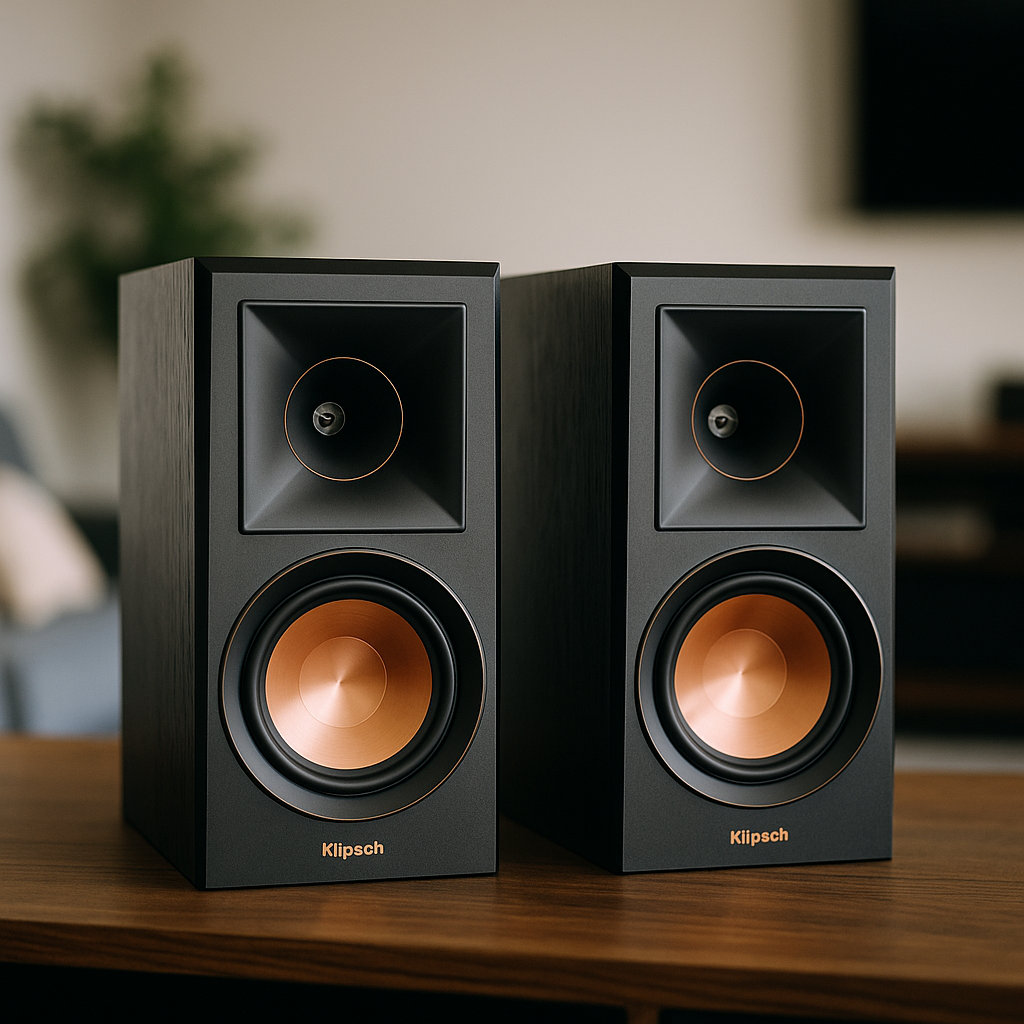
The RP-600M looks and feels like a proper piece of hi-fi gear, not a decorative afterthought. The cabinet has that sturdy, straightforward Klipsch look, and the copper-colored woofer gives it a little personality without making it feel flashy.
They’re easy enough to live with in a real room, but placement matters more than I expected at first. I got the best balance when I gave them some breathing room and didn’t shove them too close to the wall, because that helped keep the bass cleaner and the treble from getting too pushy.
They also benefit from a solid stand and a little toe-in, especially if you want the imaging to lock in properly. Once I dialed that in, the speakers felt a lot more coherent and less “just loud and shiny.”
05Who They Make Sense For
I’d point the RP-600M toward someone who wants their system to sound alive, immediate, and a little bit unapologetic. If you listen to rock, punk, live recordings, electric blues, or anything that benefits from attack and presence, these speakers make a strong case for themselves.
They also make sense if you want a bookshelf speaker that doesn’t need to be babied to sound engaging. They’re easy to enjoy, easy to understand, and they give you a clear sense of what’s on the recording without making you work for it.
On the other hand, if your taste runs toward a softer, more relaxed, or ultra-smooth presentation, I’d be cautious. The RP-600M is more about energy and clarity than warmth and forgiveness, and that’s exactly why some people will love them and others will want something gentler.