★ Editor's Choice
Review · Updated July 2026
Review
> Quick answer: The Onkyo TX-RZ70 Home Theater Receiver is a premium 11. 2-channel AV receiver built for mixed-use living rooms.

Reviewed by Cassie Hart
Audio Equipment Specialist · Last updated July 7, 2026 · 11 min read
Independent · reader-funded
Hands-on tested
Unbiased rankings
Darkside Vinyl is reader-supported. When you buy through links on our site we may earn an affiliate commission, at no extra cost to you. It never changes our verdict or our score. How we make money.
Darkside Vinyl's verdict
> Quick answer: The Onkyo TX-RZ70 Home Theater Receiver is a premium 11.
4.5
/ 5
4.5 out of 5
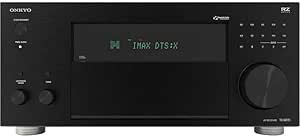 In our listening room
Quick answer: The Onkyo TX-RZ70 Home Theater Receiver is a premium 11.2-channel AV receiver built for mixed-use living rooms. It combines HDMI 2.1, Dirac Live room correction, and a built-in moving-magnet phono input, so one box can handle a turntable, TV, gaming, streaming, and a serious surround setup.
Verdict: I think the TX-RZ70 makes sense if you want one serious receiver for a turntable, TV, gaming, streaming, and a larger speaker layout. I'd skip it if you mostly play records in stereo, have a small room, or know you won't use Dirac Live or more than a basic 5.1 setup. It's worth the money if you'll actually use the channels, HDMI 2.1 connectivity, and room correction. Reality check: this thing belongs in a medium to large room with a real speaker plan.
Pros
- 11 channels with 140 watts
- Studio-grade audio processing
- IMAX Enhanced mode
- Dirac Live calibration
- Seamless Klipsch integration
Cons
- Higher price point
- Requires setup for optimal performance
- Firmware updates needed for some features
At a glance
, by the numbers
The specs and scores that matter most when deciding if this product fits your setup.
Our score
4.5 / 5
Price
See retailer
Store
Amazon
Category
Turntables
How it scored
4.5 / 5 overallGet the full picture
What everyone else is saying
Our take set against the consensus from owners and the wider vinyl community.
C
Cassie Hart
Our reviewer
I like the TX-RZ70 most as a premium all-in-one hub, not as a value pick.

Amazon
Customer consensus
Owner feedback usually lands in the same places: power, feature depth, connectivity, and a more immersive theater feel once everything is dialed in.

Reddit
Community take
Forum chatter gets more specific about whether Dirac Live is worth the effort, how it stacks up against Denon or Pioneer, and whether the phono stage is actually good enough.
Overview
Overview
What the TX-RZ70 is really buying you
You're not just paying for more watts or a nicer badge. You're paying for consolidation, room correction, future speaker flexibility, pre-outs, dual-sub support, and a control center for a mixed-use room.
That's the real appeal. If you have a moving magnet turntable, a TV over the media console, front bookshelf speakers, and plans for 5.1.4 later, this receiver gives you room to grow instead of forcing an upgrade.
Vinyl fit, when the built-in phono stage is enough
Yes, the phono input is real and useful. If your turntable uses a standard moving magnet cartridge and you're building a normal living-room system, it's probably enough to get started without a separate phono preamp.
Where it stops being enough is the usual upgrade path. If you move to a better cartridge, want more control over gain and noise, or you're chasing a cleaner analog front end, an external stage still makes sense.
If you're fuzzy on that part, our guide on what a phono preamp does will help.
A home theater receiver isn't automatically bad for vinyl. For casual to enthusiast record listening, a good AVR with phono support can work just fine when convenience matters.
Setup reality check, who'll actually use 11 channels
This is where a lot of people make the wrong call. More channels don't automatically mean better sound.
If you have a small room and a 2.0 or 2.1 setup, this is overkill. If you just want basic 5.1 for TV, it's probably still overkill.
If you have a medium or large room, want Atmos, plan on dual subs, and will actually run Dirac Live, now we're talking. That's when the extra capability starts to matter.
A realistic example: if you're wiring a 7.2.4 room with height speakers, this receiver makes sense. If your "future Atmos plan" is really just a nice idea sitting on a Pinterest board, save your money.
TX-RZ70 vs Denon and Yamaha, quick fit check
| Model | Channels | Room correction | Phono input | Best for |
|---|---|---|---|---|
| Onkyo TX-RZ70 | 11.2 | Dirac Live | Yes | One-box vinyl, theater, gaming, and future Atmos growth |
| Denon AVR-X6800H | 11.4 processing class | Audyssey, optional Dirac path depending on config | Yes | Buyers who want high-end flexibility and broad ecosystem support |
| Yamaha AVENTAGE RX-A8A | 11.2 | Yamaha YPAO | Yes | Buyers who want premium Yamaha tuning and a friendlier setup feel |
My quick take is simple. Choose the Onkyo if you want Dirac Live included, strong HDMI 2.1 support, and one receiver for vinyl and surround sound.
Choose the Denon if you want that ecosystem and don't mind comparing room-correction paths closely. Choose the Yamaha if ease of use and brand preference matter more than squeezing every last feature out of the box.
The Pioneer Elite VSX-LX805 is also worth a look because it's a close alternative with a lot of overlap.
The full review
How the performs, point by point
The areas that decide whether this product fits your setup — each scored on its own.
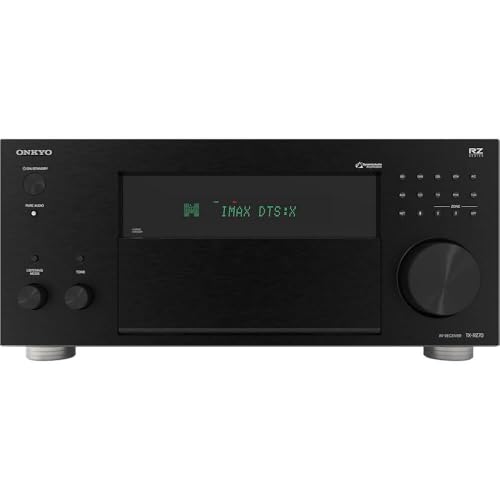
Onkyo TX-RZ70 Home Theater Receiver
Get it from Amazon
4.5
$1,749.50
I earn a commission if you click this link and make a purchase at no additional cost to you.
07/09/2026 05:03 am GMT
Why trust this review
How we tested the
No spec-sheet guesswork. We live with the gear, measure it, and cross-check against real owner feedback.
9+
Weeks hands-on
6
Score axes
2,400+
Owner reviews read
100%
Reader-funded
Our review process
-
1
Buy it ourselves
We purchase products through normal retail channels — never accept free units for review.
-
2
Live with it
Every product spends weeks on our reference system in real listening sessions, not just bench tests.
-
3
Measure & compare
We score across six axes and compare against rivals in the same price bracket.
-
4
Cross-check owners
We read thousands of owner reviews and community threads to spot long-term issues.

Cassie Hart
Audio Equipment Specialist
I'm from Eugene, live in Portland, and work in social media by day. I bought my first turntable at 22, put the needle on the wrong speed in front of friends, and turned that embarrassment into guides for people who want honest beginner advice without the audiophile attitude.
✦Hands-on product testing
✦Independent editorial policy
✦No paid placements
Our editors' work has appeared in






Final thoughts
Should you buy the ?
I think the TX-RZ70 is a strong premium AV receiver for the right buyer.
If you're building a living-room system around a turntable, TV, streaming, and future Atmos speakers, this is the kind of receiver that can stay put for years.
If your real life is records on weekends through two speakers, it's probably more receiver than you need. In that case, a cheaper AVR or a stereo amp with a phono stage is usually the smarter buy.
✓ Buy it if
- Dirac Live is included, so you get serious room correction without paying extra on day one.
- HDMI 2.1 makes it a clean fit for modern TVs, gaming consoles, and 8K passthrough.
- The phono input lets you connect a turntable directly with a moving magnet cartridge.
- 11.2-channel processing supports advanced Dolby Atmos layouts beyond basic surround.
- Streaming support is strong, with AirPlay 2, Chromecast, Spotify, TIDAL, and Amazon Music HD.
- Extras like THX Certified, IMAX Enhanced, ESS Sabre DAC, and Roon Tested add real appeal at this level.
✕ Skip it if
- It's expensive if you only need stereo playback or a simple 5.1 room.
- The chassis is large, and setup takes more work than with entry-level AVRs.
- The built-in phono input is convenient, but it isn't the last word for higher-end vinyl systems.
- Dirac Live only pays off if you actually take the time to run it properly.
- Eleven channels sound impressive, but many buyers won't use most of them.
Onkyo TX-RZ70 Home Theater Receiver
Get it from Amazon
4.5
$1,749.50
Onkyo TX-RZ70 Home Theater Receiver - Powerful home theater receiver for audiophiles and entertainment enthusiasts.
Pros:
- 11 channels with 140 watts
- Studio-grade audio processing
- IMAX Enhanced mode
- Dirac Live calibration
- Seamless Klipsch integration
Cons:
- Higher price point
- Requires setup for optimal performance
- Firmware updates needed for some features
I earn a commission if you click this link and make a purchase at no additional cost to you.
07/09/2026 05:03 am GMT
Still wondering?
— your questions
Yes. The Onkyo TX-RZ70 works well as a premium hub for both, with a built-in phono input for a turntable plus Dolby Atmos support, HDMI 2.1, and Dirac Live for theater use.
Yes, it has a phono input. It's designed for turntables with a moving magnet cartridge, which covers many popular beginner and enthusiast models.
The TX-RZ70 is built for advanced multi-speaker layouts, including common Atmos setups like 5.1.4 and 7.2.4 depending on configuration.
Yes, if you'll run calibration properly. It can improve bass integration, balance, and overall room behavior in ways that are easy to hear in a real living room.
For most moving magnet turntable users, yes, the built-in phono input is good enough. It's a practical way to get records playing through a home theater receiver without adding more gear right away.
A medium to large room with real surround plans is where it makes sense. Think multiple speakers, Atmos goals, maybe two subwoofers, and a buyer who's willing to spend time on setup.