01Sound and Low-End Performance
The first thing I noticed with the OSD Audio IWS10 is that it’s more about filling in the bottom end than trying to act like a big, chest-thumping subwoofer in a traditional box. In the right room, it gives music and movies a welcome sense of weight without calling attention to itself, which is really the whole point of an in-wall sub.
I liked it most when I treated it like part of the room rather than a separate piece of gear. It smooths out thin-sounding speakers nicely and adds enough bass foundation to make everything feel more complete, especially at moderate listening levels.
It’s not the kind of sub that’s going to make you grin for sheer slam, and that’s worth being honest about. If you want the floor-rattling stuff, you’re shopping in a different category, but if you want bass that disappears into the wall and just does its job, this makes a lot of sense.
02Build Quality and In-Wall Design
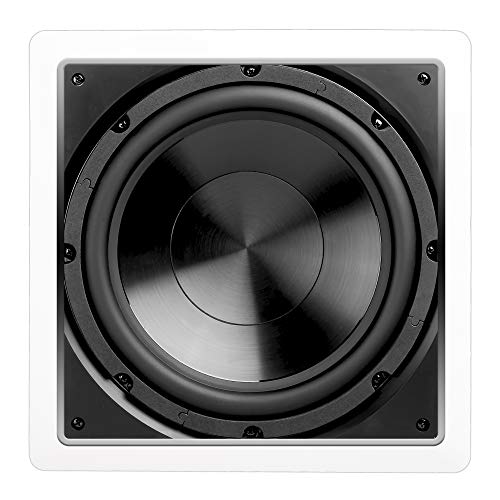
The appeal here is obvious: once it’s installed, it basically vanishes. I’ve always liked in-wall subs for rooms where I don’t want another black box sitting around, and the IWS10 leans hard into that clean, built-in look.
The cabinetless, installed-in-the-wall approach also changes how you think about the system. It feels more like part of the room’s architecture than a separate component, which is great if you’re trying to keep a living room or media room looking tidy and intentional.
That said, this kind of design depends a lot on the wall and the installation being done right. If the mounting is sloppy or the wall structure isn’t ideal, you’ll hear it, so this is one of those products where the install matters almost as much as the speaker itself.
This is not the kind of subwoofer you casually unbox, plug in, and start tweaking on the floor. It’s a more committed install, and I’d only recommend it if you’re comfortable planning the placement carefully or already have a proper installer lined up.
Once it’s in place, setup is pretty straightforward in the sense that there aren’t a bunch of gimmicks to fuss over. You’re really spending your effort on integration with the rest of the system, which is exactly where an in-wall sub should demand attention.
I also think this is the kind of product that rewards patience during setup. A little time spent dialing in crossover and level settings goes a long way, because the goal is seamless bass, not obvious subwoofer effects.
04How It Blends with the Rest of the System
The best thing about the IWS10 is how naturally it can disappear into a larger setup when it’s matched well. I’m always happier with a sub that supports the mains instead of fighting them, and this one is built for that kind of teamwork.
For music, that means bass lines feel more complete and kick drums have a little more body without turning muddy. For movies, it adds scale and impact in a more subtle way than a big freestanding sub, which can be exactly what some rooms need.
If your speakers are already doing a decent job and you just want the low end to feel more grounded, this is a smart fit. It’s less about bragging rights and more about making the whole system sound finished.
I’d point this at someone who cares as much about room aesthetics as they do about sound. If you want bass without giving up floor space or living with a visible subwoofer, the IWS10 makes a strong case for itself.
It also makes sense in a dedicated home theater or a cleanly designed living room where the gear needs to stay out of sight. I think it’s especially appealing for people building a system around in-wall or in-ceiling speakers and wanting the bass to match that same hidden approach.
If you’re the kind of listener who wants maximum output, easy repositioning, or a sub you can move around until it locks in, this probably isn’t your ideal match. But if you value discreet installation and bass that blends into the room instead of dominating it, I can see why this would be on your shortlist.