★ Editor's Choice
Review · Updated July 2026
Review
You found the Polk Audio Monitor XT20 Speakers Bundle, the price looks fair, and now the real question kicks in: is this a smart vinyl upgrade, or are you about to buy speakers that still need a pile of extra gear before they make a sound?

Reviewed by Amber Mitchell
Senior Turntable Reviewer · Last updated July 7, 2026 · 11 min read
Independent · reader-funded
Hands-on tested
Unbiased rankings
Darkside Vinyl is reader-supported. When you buy through links on our site we may earn an affiliate commission, at no extra cost to you. It never changes our verdict or our score. How we make money.
Darkside Vinyl's verdict
You found the Polk Audio Monitor XT20 Speakers Bundle, the price looks fair, and now the real question kicks in: is this
4.5
/ 5
4.5 out of 5
 In our listening room
If you're shopping for records first, that's the right question. I care a lot less about generic home theater hype and a lot more about whether a speaker actually fits a turntable setup without surprise costs.
Affiliate note: if you buy through links on this page, Darkside Vinyl may earn a commission at no extra cost to you.
Pros
- High-resolution playback
- Crisp highs and deep bass
- Versatile placement options
- Quality copper speaker wire
Cons
- Compact design may limit bass impact
- Requires additional audio equipment for optimal experience
At a glance
, by the numbers
The specs and scores that matter most when deciding if this product fits your setup.
Our score
4.5 / 5
Price
See retailer
Store
Amazon
Category
Turntables
How it scored
4.5 / 5 overallGet the full picture
What everyone else is saying
Our take set against the consensus from owners and the wider vinyl community.
A
Amber Mitchell
Our reviewer
I think these are respectable entry-level hi-fi speakers, not a universal beginner pick.

Amazon
Customer consensus
Amazon feedback usually follows a familiar pattern: buyers like the value, the clean sound, and the build quality.

Reddit
Community take
Reddit usually adds the missing fine print.
Overview
Overview
Specs and build, what matters in practice
Here's the quick version:
| Spec | What you're getting |
|---|---|
| Speaker type | Passive bookshelf speakers |
| Driver size | 6.5-inch woofer |
| Tweeter type | Terylene dome tweeter |
| Impedance | 4 and 8 ohm compatible |
| Cabinet | MDF enclosure, rear-ported |
| Best room size | Small to medium rooms |
The Terylene tweeter helps keep the top end smooth instead of edgy. Dynamic Balance is Polk's tuning approach to reduce obvious peaks and roughness.
Compatibility checklist for a turntable setup
What you need to use these speakers:
- A turntable
- A stereo receiver or integrated amp
- Speaker wire
- A phono preamp, if your turntable or receiver doesn't already include one
Compatibility check:
| Setup | Works? |
|---|---|
| Turntable only | No |
| Turntable with built-in preamp | Still needs amp or receiver |
| Turntable plus receiver | Yes |
| Powered-speaker alternative | Simpler for beginners |
A common real-world setup would be a Fluance or Audio-Technica turntable with a built-in preamp feeding a Sony receiver, then out to the XT20. That's easy enough.
A bare turntable with no amp is a larger system build, not a quick speaker add-on.
Passive bundle vs powered speakers for beginners
Comparing passive Polk speakers to powered Edifier models isn't apples to apples on price if you ignore the cost of the receiver and any missing phono stage. That's where people get burned.
Buy this if you already own a receiver, want a better upgrade path, and listen in a small to medium room. Skip it if you want fewer boxes, stronger bass, or the simplest route to playing records tonight.
| Best for | Not for |
|---|---|
| Existing receiver owners | Plug-and-play beginners |
| Small to medium rooms | Buyers with no amp or receiver |
| Gradual system upgrades | Anyone expecting big bass from two compact speakers |
| Music-first setups with some TV use | Shoppers comparing sticker price only |
The full review
How the performs, point by point
The areas that decide whether this product fits your setup — each scored on its own.
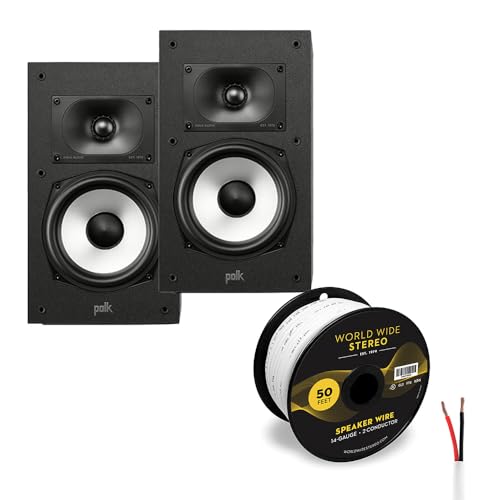
Polk Audio Monitor XT20 Speakers Bundle
Get it from Amazon
4.5
$279.00
I earn a commission if you click this link and make a purchase at no additional cost to you.
03/02/2026 11:05 pm GMT
Why trust this review
How we tested the
No spec-sheet guesswork. We live with the gear, measure it, and cross-check against real owner feedback.
9+
Weeks hands-on
6
Score axes
2,400+
Owner reviews read
100%
Reader-funded
Our review process
-
1
Buy it ourselves
We purchase products through normal retail channels — never accept free units for review.
-
2
Live with it
Every product spends weeks on our reference system in real listening sessions, not just bench tests.
-
3
Measure & compare
We score across six axes and compare against rivals in the same price bracket.
-
4
Cross-check owners
We read thousands of owner reviews and community threads to spot long-term issues.

Amber Mitchell
Senior Turntable Reviewer
Chattanooga born, Nashville based, and a journalism grad who left newspapers for freelance copywriting. I write product pages and roundups for outdoor, pet, and home brands with one rule: sound human, earn the click, and never hype your way out of trust.
✦Hands-on product testing
✦Independent editorial policy
✦No paid placements
Our editors' work has appeared in






Final thoughts
Should you buy the ?
✓ Buy it if
- <h3>What the Polk XT20 bundle does well for vinyl listening</h3>
- <p>I like the sound here because it's easy to live with. Polk tuned these with a smooth, forgiving character that works well with a lot of record collections, especially older pressings that can get harsh on brighter speakers.</p>
- <p>That matters more than people think. If your shelf is full of used rock, thrift-store jazz, or rough reissues, a softer top end makes long listening sessions easier.</p>
- <p>The MDF cabinet helps too. It feels respectable for entry-level hi-fi, not like a throwaway box.</p>
- <h3>Why the passive design can be a plus</h3>
- <p>Passive speakers aren't automatically harder for beginners. They just need one more layer of planning.</p>
- <p>In return, you get a cleaner upgrade path than most powered speakers offer. Start with a basic receiver now, then add a better amp or a subwoofer later, and the XT20 can stay in the system.</p>
- <p>Polk's Dynamic Balance tuning and Terylene tweeter help keep the treble smooth and the overall presentation balanced. In plain English, they don't sound sharp or fatiguing.</p>
- <p>I also like the practical stuff: proper binding posts, banana plug compatibility, and a setup that can look tidy if you spend ten extra minutes on cable routing.</p>
✕ Skip it if
- <h3>Where the XT20 bundle gets less beginner-friendly</h3>
- <p>The biggest downside isn't sound quality. It's setup reality.</p>
- <p>These speakers don't include amplification, and some turntables still need a phono preamp before the signal even reaches a receiver. That's what trips up a lot of first-time buyers.</p>
- <p>A lot of buyers open the box and then realize they still need a receiver, speaker wire, and maybe a phono stage before hearing one record.</p>
- <h3>Costs and limitations buyers should expect</h3>
- <p>The total system cost can outrun powered speakers pretty quickly. A pair of Edifier powered speakers may look less hi-fi on paper, but for a beginner they can be the smarter buy if simplicity matters more than upgrade flexibility.</p>
- <p>Bass is the other limit. The XT20 can sound full enough in a small room, but if you want heavy low end for hip-hop, electronic music, or action movies, you'll probably want a subwoofer.</p>
- <p>Placement matters too. Bigger bookshelf speakers don't automatically sound better for vinyl. Room size, stand height, wall distance, and toe-in matter just as much.</p>
Polk Audio Monitor XT20 Speakers Bundle
Get it from Amazon
4.5
$279.00
Polk Audio Monitor XT20 Speakers Bundle - Elevate your audio with the Polk Audio Monitor XT20 speakers bundle for immersive sound.
Pros:
- High-resolution playback
- Crisp highs and deep bass
- Versatile placement options
- Quality copper speaker wire
Cons:
- Compact design may limit bass impact
- Requires additional audio equipment for optimal experience
I earn a commission if you click this link and make a purchase at no additional cost to you.
03/02/2026 11:05 pm GMT
Still wondering?
— your questions
It's a passive bookshelf speaker package built around the Polk Audio Monitor XT20 speakers. The key word is passive, which means the speakers need a stereo receiver or integrated amp to work, and some turntable setups also need a phono preamp.
Yes, they can be a good match for vinyl, especially if you like a smoother, less aggressive sound. I think they're a better fit for buyers who already have a receiver or want a system they can upgrade over time.
Yes, they do. These aren't powered speakers, so you can't connect most turntables directly to them and expect sound without an amp or receiver in the chain.
That depends on the seller, but the core item is usually the pair of Monitor XT20 passive bookshelf speakers. Don't assume the bundle includes a stereo receiver, speaker wire, or phono preamp unless the listing clearly says so.
It can be, but only if you understand the full cost. If you already own a receiver, it's a solid value. If you're buying every piece from scratch, powered speakers may give you a cheaper and simpler first setup.
You'll need a stereo receiver or integrated amp, plus speaker wire. Depending on your turntable and receiver, you may also need a phono preamp. Our turntable setup guide and phono preamp explainer can help sort that out.
They're a better long-term buy if you want upgrade flexibility and already own supporting gear. Powered speakers are usually the better beginner buy if simplicity, lower total cost, and fewer boxes matter more.
They're best in small to medium rooms at moderate listening levels. In a bedroom, office, or apartment living room, they should do well. In a larger space, or if you want stronger bass, you'll probably want more speaker or a subwoofer.