★ Editor's Choice
Review · Updated July 2026
Review
Polk Signature Elite ES15 speakers are passive 2-way bookshelf speakers built for small to medium stereo systems. They need an amplifier or stereo receiver, and they make the most sense for vinyl listeners who want balanced sound without moving up to a larger cabinet.

Reviewed by Calvin Reese
Vinyl & Gear Editor · Last updated July 7, 2026 · 11 min read
Independent · reader-funded
Hands-on tested
Unbiased rankings
Darkside Vinyl is reader-supported. When you buy through links on our site we may earn an affiliate commission, at no extra cost to you. It never changes our verdict or our score. How we make money.
Darkside Vinyl's verdict
Polk Signature Elite ES15 speakers are passive 2-way bookshelf speakers built for small to medium stereo systems.
4.5
/ 5
4.5 out of 5
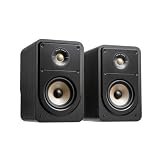 In our listening room
I’d recommend the ES15 if you want a balanced, easy-listening speaker for records and you already know you’re building a real passive system.
It’s a strong fit for vinyl listeners who want cleaner, fuller sound than cheap powered desktop speakers, without jumping to a larger cabinet.
Pros
- Crystal clear sound
- Heart-thumping bass
- Stylish design
- Versatile placement options
- Seamless speaker blending
Cons
- Requires additional components for full surround setup
- Wall-mounting hardware not included
At a glance
, by the numbers
The specs and scores that matter most when deciding if this product fits your setup.
Our score
4.5 / 5
Price
See retailer
Store
Amazon
Category
Turntables
How it scored
4.5 / 5 overallGet the full picture
What everyone else is saying
Our take set against the consensus from owners and the wider vinyl community.
C
Calvin Reese
Our reviewer
I like the ES15 because it solves normal-room problems without acting fancy.

Amazon
Customer consensus
Amazon feedback usually lands in three buckets: good value, clean sound, and a clear upgrade from basic speakers.

Reddit
Community take
Reddit usually treats the ES15 as a solid entry hi-fi option, not a miracle speaker.
Overview
Overview
The ES15 works best as a practical speaker for a simple record setup, not as a shortcut around one. If your turntable chain is clean and your room isn’t oversized, it’s an easy speaker to recommend.
Specs and what they mean in practice
| Spec | Polk ES15 |
|---|---|
| Driver size | 5.25-inch woofer, 1-inch Terylene tweeter |
| Sensitivity | Around 88 dB |
| Impedance | 8 ohms nominal |
| Frequency response | Roughly 48 Hz to 40 kHz |
| Recommended use case | Small to medium stereo rooms, first passive vinyl systems |
Sensitivity tells you how easily the speaker gets loud with modest power. Around 88 dB is friendly enough for many mainstream receivers, but it doesn't excuse a weak amp.
Nominal impedance matters because most stereo receivers are comfortable with an 8-ohm load. That makes the ES15 easier to pair than some fussier entry-level hi-fi options.
The Terylene tweeter helps keep the top end clean without getting sharp. The mica-reinforced woofer gives you respectable bass for the cabinet size, but not floorstander depth.
Frequency response looks nice on paper, but don't buy on that number alone. Specs don't tell you how a speaker behaves in your room.
What you need for a turntable setup
The ES15 is a passive bookshelf speaker, so it needs outside power. You can't run speaker wire from a turntable straight into it and expect music.
Compatibility checklist:
- Turntable
- Built-in phono preamp or external phono preamp
- Amplifier or stereo receiver
- Speaker wire
- Optional stands
Two valid signal chains:
- Turntable with built-in phono preamp → amplifier or stereo receiver → ES15
- Turntable without built-in phono preamp → external phono preamp → amplifier or stereo receiver → ES15
A common mistake is blaming the speaker when the real issue is a missing phono stage. If you’re unsure, check your turntable first or read our guide on what a phono preamp does and the full turntable setup guide.
Room size, placement, and who should step up to the ES20
For room fit, here’s the short version:
- Desktop: workable, but a bit large for close-up listening
- Bedroom: very good fit
- Living room: good in small to medium spaces
The rear port means placement matters. Give it some breathing room from the wall if you can, because flush placement can muddy the bass and hurt stereo imaging.
If you’ve got a larger room, more stand space, or you already know bass matters a lot to you, the Polk Signature Elite ES20 is the better move. Bigger isn't always better, though. In a tight room, a larger cabinet can be harder to control, kind of like parking a pickup in a one-car garage.
Polk ES15 vs Sony SS-CS5 vs Klipsch R-51M
| Speaker | Role | Sound character | Amp friendliness | Placement ease | Best for |
|---|---|---|---|---|---|
| Polk ES15 | Safe all-around passive vinyl pick | Balanced, slightly warm | Good | Moderate | Long listening sessions in small to medium rooms |
| Sony SS-CS5 | Budget-first alternative | Lighter, detailed | Good | Good | Shoppers trying to spend less |
| Klipsch R-51M | Brighter, more energetic option | Brighter, more forward | Very good | Good | Rock listeners who want more bite |
Choose the ES15 if you want the safest tuning of the three.
Choose the Sony SS-CS5 if price is the main driver.
Choose the Klipsch R-51M if you want a more aggressive presentation.
If you’re shopping more broadly, our list of best turntable speakers gives you the bigger field.
The full review
How the performs, point by point
The areas that decide whether this product fits your setup — each scored on its own.

Polk Signature Elite ES15 Speakers
Get it from Amazon
4.5
$299.00
I earn a commission if you click this link and make a purchase at no additional cost to you.
07/06/2026 06:22 pm GMT
Why trust this review
How we tested the
No spec-sheet guesswork. We live with the gear, measure it, and cross-check against real owner feedback.
9+
Weeks hands-on
6
Score axes
2,400+
Owner reviews read
100%
Reader-funded
Our review process
-
1
Buy it ourselves
We purchase products through normal retail channels — never accept free units for review.
-
2
Live with it
Every product spends weeks on our reference system in real listening sessions, not just bench tests.
-
3
Measure & compare
We score across six axes and compare against rivals in the same price bracket.
-
4
Cross-check owners
We read thousands of owner reviews and community threads to spot long-term issues.

Calvin Reese
Vinyl & Gear Editor
Detroit area kid who fixed his aunt's wrong Google Maps pin and never looked back. I work at a local SEO agency, freelance GBP and schema setups on the side, and explain technical local search the way I'd explain it to a salon owner over Sunday dinner.
✦Hands-on product testing
✦Independent editorial policy
✦No paid placements
Our editors' work has appeared in






Final thoughts
Should you buy the ?
I think the ES15 is worth it for vinyl listeners who want a real passive stereo setup and don't mind the extra boxes that come with doing it right.
It makes the most sense in a normal room, with normal gear, for people who care more about enjoyable listening than flashy specs.
Buy the ES15 for balanced sound and small to medium rooms. Move to the ES20 if your room and bass expectations justify the larger cabinet.
✓ Buy it if
- Balanced sound works well for long vinyl sessions
- Clear highs stay smooth instead of turning harsh
- Compact cabinet fits shelves, stands, bedrooms, and smaller living rooms
- Friendly sensitivity and nominal impedance work with many entry-level receivers
- Stereo imaging is solid when the tweeters sit near ear height
- Good value within the Polk Signature Elite line
✕ Skip it if
- It needs an amplifier or stereo receiver
- It can sound thin with a weak mini amp
- Bass output has limits in larger rooms
- The rear port makes wall-hugging shelf placement harder
- Buyers who want more low-end weight may prefer the ES20
- It’s not ideal if you want a very lively, bright rock sound
Polk Signature Elite ES15 Speakers
Get it from Amazon
4.5
$299.00
Polk Signature Elite ES15 Speakers - Experience immersive sound with Polk's compact ES15 bookshelf speakers for home theater enthusiasts.
Pros:
- Crystal clear sound
- Heart-thumping bass
- Stylish design
- Versatile placement options
- Seamless speaker blending
Cons:
- Requires additional components for full surround setup
- Wall-mounting hardware not included
I earn a commission if you click this link and make a purchase at no additional cost to you.
07/06/2026 06:22 pm GMT
Still wondering?
— your questions
They’re passive bookshelf speakers from Polk Audio, sold as a stereo pair. They need an amplifier or stereo receiver to work.
Yes, if you want passive speakers and have the right gear around them. They work especially well in small to medium rooms, and the balanced sound suits long record sessions.
Yes. They’re passive, so they need an amplifier or stereo receiver for power.
They land on the balanced, easygoing side. Compared with the Sony SS-CS5, they usually sound fuller and less thin.
Mainstream stereo receivers from brands like Sony or Yamaha usually pair well. Sensible integrated amps with stable power also work fine.
Expect the price to move around, especially during sales. This speaker often looks much better when discounted than at full list price.
Buy the ES15 if your room is smaller and placement flexibility matters. It’s the easier speaker to live with on shelves or in tighter setups.
Yes, especially if you’re moving up from cheap powered speakers or an all-in-one record player setup.