★ Editor's Choice
Review · Updated July 2026
Review
I’d buy the KLH Model Three for a vinyl-first living room system, not for a casual desk setup.

Reviewed by Amber Mitchell
Senior Turntable Reviewer · Last updated July 7, 2026 · 11 min read
Independent · reader-funded
Hands-on tested
Unbiased rankings
Darkside Vinyl is reader-supported. When you buy through links on our site we may earn an affiliate commission, at no extra cost to you. It never changes our verdict or our score. How we make money.
Darkside Vinyl's verdict
I’d buy the KLH Model Three for a vinyl-first living room system, not for a casual desk setup.
4.5
/ 5
4.5 out of 5
 In our listening room
They make the most sense if you already own a decent stereo receiver or integrated amplifier and want a fuller, warmer sound than a lot of sharper modern bookshelf speakers deliver.
If you’re moving up from simpler powered speakers and your records sometimes sound a little thin or edgy, this is the kind of upgrade that feels intentional. The vintage styling doesn’t mean outdated performance. KLH pairs the retro cabinet look with acoustic suspension tuning that still feels serious in a modern hi-fi chain.
Pros
- Distortion-free sound
- Tight bass response
- Exceptional accuracy
- Elegant design
Cons
- Premium price point
- Requires adequate space
At a glance
, by the numbers
The specs and scores that matter most when deciding if this product fits your setup.
Our score
4.5 / 5
Price
See retailer
Store
Amazon
Category
Turntables
How it scored
4.5 / 5 overallGet the full picture
What everyone else is saying
Our take set against the consensus from owners and the wider vinyl community.
A
Amber Mitchell
Our reviewer
I like what KLH is doing here because the sound and styling point in the same direction.

Amazon
Customer consensus
Amazon feedback usually lands on the same points: premium finish, warm sound, and strong room presence.

Reddit
Community take
Reddit is usually tougher on value, and that’s useful here.
Overview
Overview
Design and Build
The Model Three is a substantial retro bookshelf speaker with real cabinet presence. The walnut veneer, linen grille, and mid-century styling are a big part of the appeal, but the cabinet volume also helps explain the fuller sound.
If you’re planning to place them on proper speaker stands, great. If you’re trying to wedge them into a packed media shelf, expect compromises.
Setup and System Matching
This is a passive speaker, so the chain matters: turntable to phono preamp if needed, then to a stereo receiver or integrated amplifier, then out to the speakers.
Banana plugs can make hookup easier, but bare wire into the binding posts works too.
Small to medium rooms are the sweet spot if you can give them some space from the back wall. If your setup is tight or you’re still learning the basics, our turntable setup guide is worth a quick read.
Sound for Vinyl Listening
This is where the Model Three earns its place. It sounds warm, full, and relaxed, which is exactly why many vinyl listeners prefer it to more clinical bookshelf speakers.
Think of it like swapping a bright overhead light for a good lamp. You still see everything, but the room gets easier to live in.
Here’s the simple comparison:
| Category | KLH Model Three | Powered speakers for turntables | Modern analytical bookshelf speakers |
|---|---|---|---|
| Setup complexity | Higher | Lower | Medium to high |
| Sound character | Warm, full, relaxed | Convenient, varies by model | Detailed, leaner, more explicit |
| Room fit | Best with breathing room | Often easier in small spaces | Depends on model |
| Best for | Intentional hi-fi systems | Convenience-first buyers | Detail chasers |
The full review
How the performs, point by point
The areas that decide whether this product fits your setup — each scored on its own.
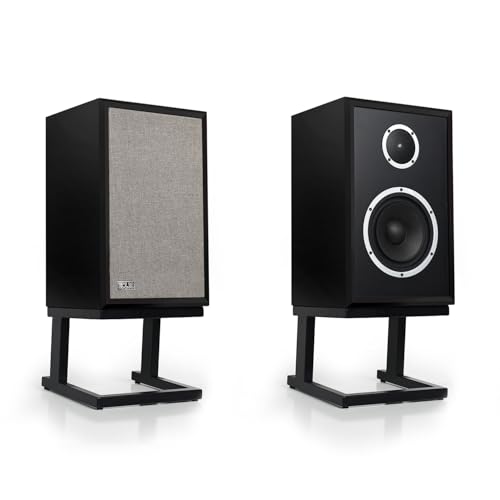
KLH Model Three Bookshelf Speakers
Get it from Amazon
4.5
$1,599.98
I earn a commission if you click this link and make a purchase at no additional cost to you.
07/07/2026 09:05 am GMT
Why trust this review
How we tested the
No spec-sheet guesswork. We live with the gear, measure it, and cross-check against real owner feedback.
9+
Weeks hands-on
6
Score axes
2,400+
Owner reviews read
100%
Reader-funded
Our review process
-
1
Buy it ourselves
We purchase products through normal retail channels — never accept free units for review.
-
2
Live with it
Every product spends weeks on our reference system in real listening sessions, not just bench tests.
-
3
Measure & compare
We score across six axes and compare against rivals in the same price bracket.
-
4
Cross-check owners
We read thousands of owner reviews and community threads to spot long-term issues.

Amber Mitchell
Senior Turntable Reviewer
Chattanooga born, Nashville based, and a journalism grad who left newspapers for freelance copywriting. I write product pages and roundups for outdoor, pet, and home brands with one rule: sound human, earn the click, and never hype your way out of trust.
✦Hands-on product testing
✦Independent editorial policy
✦No paid placements
Our editors' work has appeared in






Final thoughts
Should you buy the ?
I think the KLH Model Three is worth buying if you want a premium passive setup for records and already accept the extra boxes that come with it.
It’s a better fit for intentional living-room hi-fi than for convenience-first shopping.
If you already own a capable stereo receiver and want speakers that sound and look like a real upgrade, these are easy to justify. If you’re starting from scratch and want fewer moving parts, powered speakers or smaller passive options may be the smarter buy.
✓ Buy it if
- <h3>Strong, full-bodied sound</h3>
- <p>These speakers tend to flatter records. Jazz, soul, and classic rock usually come across with more body and less glare than they do on leaner, more analytical speakers.</p>
- <p>In a medium living room, that matters. Spin an older Blue Note pressing at moderate volume and the presentation feels relaxed instead of etched.</p>
- <h3>Controlled bass from the acoustic suspension design</h3>
- <p>Acoustic suspension usually gives up a little efficiency for tighter bass behavior. In practice, that means weight without the loose bloom some ported speakers can create in tricky rooms.</p>
- <p>That helps in vinyl setups where placement isn’t perfect. You still need some space, but the low end often sounds more controlled than you’d expect from a bookshelf cabinet.</p>
- <h3>Styling that actually adds value</h3>
- <p>The walnut veneer and linen grille don’t feel like an afterthought. The Model Three looks like furniture, not another generic black box.</p>
- <p>If your turntable stand sits in a shared living space, that matters more than spec sheets admit. A lot of buyers want good sound, but they don’t want the room to look like an AV closet.</p>
- <h3>Tunable enough for real rooms</h3>
- <p>The rear bass control switch is more useful than it sounds. It gives you a little flexibility when placement isn’t ideal.</p>
- <p>It won’t fix a bad setup, but it can help if the speakers end up closer to the wall than you wanted.</p>
✕ Skip it if
- <h3>You still need an amp or receiver</h3>
- <p>These aren’t powered speakers. You’ll need a stereo receiver or integrated amplifier, plus speaker wire.</p>
- <p>If you also need a phono preamp, the real cost climbs fast. If that part is still fuzzy, this guide on what a phono preamp is will save you some confusion.</p>
- <h3>The total system price is higher than it first looks</h3>
- <p>The sticker price is only part of the story. Add stands, cables, amplification, and maybe a phono stage, and the budget changes in a hurry.</p>
- <p>That catches a lot of people moving up from powered speakers. They think they’re buying speakers, but they’re really buying into a whole system.</p>
- <h3>They’re big for a bookshelf speaker</h3>
- <p>The cabinet size helps the sound, but it limits placement. These aren’t ideal for cramped shelves, tight corners, or desktop listening.</p>
- <p>Bigger bookshelf speakers aren’t automatically too much for vinyl setups. They can sound excellent, but only if the room and placement cooperate.</p>
- <h3>The sound won’t suit every taste</h3>
- <p>If you want maximum sparkle, hyper-detail, or studio-monitor precision, the Model Three may feel too relaxed.</p>
- <p>System matching matters here more than it does with simpler consumer speakers.</p>
KLH Model Three Bookshelf Speakers
Get it from Amazon
4.5
$1,599.98
KLH Model Three Bookshelf Speakers - Experience precise sound quality with KLH's acoustic suspension design, perfect for audiophiles.
Pros:
- Distortion-free sound
- Tight bass response
- Exceptional accuracy
- Elegant design
Cons:
- Premium price point
- Requires adequate space
I earn a commission if you click this link and make a purchase at no additional cost to you.
07/07/2026 09:05 am GMT
Still wondering?
— your questions
They’re passive acoustic suspension bookshelf speakers built for stereo hi-fi systems. That means they need external amplification from a stereo receiver or integrated amplifier.
Yes, especially if you like a warmer, fuller presentation. Records often pair well with that kind of tonal balance.
Yes. They’re passive speakers, so they won’t work on their own like powered speakers do.
They usually work best in small to medium rooms with some breathing room around the cabinet.
You don’t need crazy wattage, but you do want clean, stable power.
Moderately easy, yes, if you understand the signal chain.
They can, if sound quality, upgrade path, and design matter more to you than simplicity.
At minimum, you need a source, usually a turntable, plus a stereo receiver or integrated amp and speaker wire.