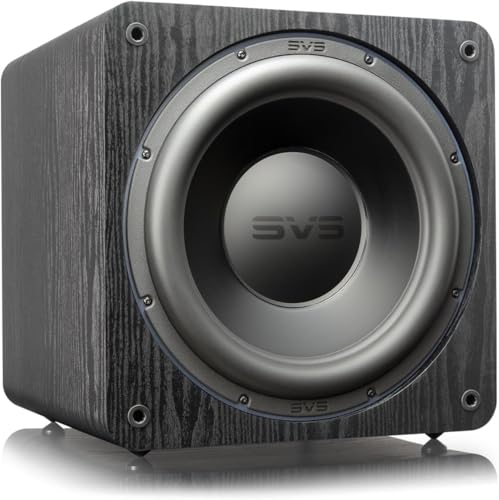
Specs and design, what matters on paper
On paper, the essentials are straightforward: sealed enclosure, 13-inch driver, Class D amplification through the Sledge STA-800D2 amplifier, onboard DSP, smartphone app control, RCA line-level input, and LFE input.
That's a strong spec set for a stereo buyer who wants flexibility without a complicated signal chain. In practice, each part matters.
The sealed enclosure helps with tighter bass character. The amp gives it real authority, and the app makes integration much easier than old-school knob twisting.
If your integrated amp has a sub out or line-level connection, setup is simple enough. You don't need extra boxes, just some patience and a better plan than turning it up until the couch complains.
If you're fuzzy on how the rest of the chain fits together, Darkside Vinyl's what is a phono preamp and turntable setup guide will help.
SB-3000 vs PB-3000 vs SB-2000 Pro, quick buyer snapshot
For most buyers, the choice gets clearer once you stop asking which one is "best" and start asking which one fits the room.
| Model |
Best For |
Bass Character |
Room Size |
Cabinet Footprint |
| SVS SB-3000 |
Music-first stereo systems |
Tight, deep, controlled |
Small to medium, workable in larger rooms |
Moderate |
| SVS PB-3000 |
Movie-first setups, big impact |
Bigger slam, more forceful |
Medium to large |
Large |
| SVS SB-2000 Pro |
Value-focused music buyers |
Controlled, slightly less headroom |
Small to medium |
Smaller |
A medium room with standmount speakers is where the SB-3000 really earns its keep. In a larger media room, the PB-3000 may feel more satisfying.
If your room is smaller, the SB-2000 Pro may save you money and leave you missing very little.