★ Editor's Choice
Review · Updated July 2026
Review
Best for: vinyl listeners who want fuller mids, smoother treble, and an easy long-session sound.

Reviewed by Marcus Webb
Speakers & Receivers Editor · Last updated July 7, 2026 · 11 min read
Independent · reader-funded
Hands-on tested
Unbiased rankings
Darkside Vinyl is reader-supported. When you buy through links on our site we may earn an affiliate commission, at no extra cost to you. It never changes our verdict or our score. How we make money.
Darkside Vinyl's verdict
Best for: vinyl listeners who want fuller mids, smoother treble, and an easy long-session sound.
4.5
/ 5
4.5 out of 5
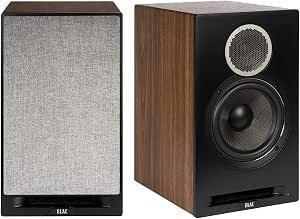 In our listening room
Not for: anyone who wants plug-and-play powered speakers, or a bright, punchy, forward presentation.
My recommendation: I think this is a smart passive speaker upgrade if you already have, or plan to buy, a decent integrated amplifier or stereo receiver.
Pros
- Exceptional sound quality
- Stylish design
- Enhanced bass dynamics
- Reduced cabinet vibrations
Cons
- Higher price point
- Requires ample space for optimal performance
At a glance
, by the numbers
The specs and scores that matter most when deciding if this product fits your setup.
Our score
4.5 / 5
Price
See retailer
Store
Amazon
Category
Turntables
How it scored
4.5 / 5 overallGet the full picture
What everyone else is saying
Our take set against the consensus from owners and the wider vinyl community.
M
Marcus Webb
Our reviewer
I like these for records because they don’t try to impress you in the first five minutes and wear you out by the second album.

Amazon
Customer consensus
Amazon feedback usually lands in three buckets: balanced sound, stronger-than-expected bass depth, and nicer cabinet finish than budget buyers expected.

Reddit
Community take
Reddit threads on the Debut Reference bookshelf speakers usually circle the same points: amp matching matters, near-wall placement is workable but not foolproof, and the sound is more musical than the name implies.
Overview
Overview
Specs and what they mean in practice
| Spec | What it means in practice |
|---|---|
| 6.5-inch aramid fiber woofer | Enough cone area for satisfying bass weight and fuller mids in a normal living room |
| 1-inch cloth dome tweeter | Smoother top end than many metal-dome or more aggressively voiced rivals |
| Sensitivity: about 86 dB | Not super efficient, so they appreciate a competent amp |
| Nominal impedance: 6 ohms | Most decent stereo amps can handle them, but cheap power can sound strained |
| Frequency response: roughly 44 Hz to 35 kHz | Respectable low-end reach for a bookshelf speaker, though room placement affects bass a lot |
| Front-firing port | More flexible near a wall than rear-ported designs, but not immune to boom |
| Cabinet dimensions: medium-large bookshelf size | Better on stands than crammed onto a tight shelf |
A lot of buyers see “bookshelf speaker” and assume easy placement and easy drive. That’s not quite true here.
What this means in practice: the specs are manageable, not scary, but this isn’t a casual throw-it-anywhere speaker. ELAC B6.2 amp matching matters because the sensitivity rating and 6-ohm load ask for honest current delivery, not inflated watt claims.
Turntable system matching, amp, preamp, and receiver fit
Yes, these need an amp. The proper chain is simple: turntable, phono preamp if needed, integrated amplifier or stereo receiver, then passive speakers.
If your Audio-Technica deck has a built-in phono preamp, it can feed a Yamaha, Denon, Sony, or Cambridge Audio receiver directly. If your turntable doesn’t have one, you need that extra phono stage before the amp.
Don’t get hung up on giant watt numbers. I’d rather pair these with an honest Yamaha or Denon integrated amp than a flimsy mini receiver with a bigger number on the box.
A decent amp wakes these up. A weak entry-level unit can make them sound smaller, flatter, and less lively than they really are.
Room fit, near-wall placement, and living-room practicality
| Room situation | Fit |
|---|---|
| Small room | Possible, but only with breathing room and careful bass testing |
| Apartment | Good, especially for moderate listening distances and smoother treble |
| Medium room | Strong fit, this is where they make the most sense |
| Near-wall placement | Better than many rear-ported speakers, but still start with 8 to 12 inches |
The front-firing port helps, but it doesn’t cancel room gain. Put them on proper speaker stands, get the tweeter near ear level, and start around 8 to 12 inches off the back wall.
In a medium living room, that setup sounds full and composed. Jam them into a tight media console, and bass can get thick fast. It’s like parking a pickup in a one-car garage: technically possible, not the best plan.
ELAC Debut Reference B6.2 vs the main alternatives for vinyl
| Speaker | Best for | Sound direction | Main tradeoff |
|---|---|---|---|
| ELAC Debut Reference DBR62 | Long vinyl sessions, fuller mids, smoother treble | Warm-leaning, balanced, forgiving | Needs decent amp and space |
| Klipsch RP-600M | Buyers who want bite and higher perceived output | Forward, lively, punchy | Can sound hotter on bright records |
| Q Acoustics 3030i | Buyers who want room-friendliness and a mature balance | Warm-open, easygoing | Different bass and presentation priorities |
I’d choose the ELAC over Klipsch if your room is reflective, your records vary in quality, or you listen for hours. I’d choose Klipsch if you want more snap and attack from the same receiver.
Against the Q Acoustics 3030i, it comes down to room and taste. The Q Acoustics option is a little easier to live with in some spaces, while the ELAC often sounds denser and more grounded through the mids.
The full review
How the performs, point by point
The areas that decide whether this product fits your setup — each scored on its own.

ELAC Debut Reference B6.2 Speakers
Get it from Amazon
4.5
$799.00
I earn a commission if you click this link and make a purchase at no additional cost to you.
07/07/2026 10:22 am GMT
Why trust this review
How we tested the
No spec-sheet guesswork. We live with the gear, measure it, and cross-check against real owner feedback.
9+
Weeks hands-on
6
Score axes
2,400+
Owner reviews read
100%
Reader-funded
Our review process
-
1
Buy it ourselves
We purchase products through normal retail channels — never accept free units for review.
-
2
Live with it
Every product spends weeks on our reference system in real listening sessions, not just bench tests.
-
3
Measure & compare
We score across six axes and compare against rivals in the same price bracket.
-
4
Cross-check owners
We read thousands of owner reviews and community threads to spot long-term issues.

Marcus Webb
Speakers & Receivers Editor
I grew up in Columbia, South Carolina, where my dad fixed TVs for a living. After twelve years installing AV in homes and bars around Charlotte, I review turntables and supporting gear the way normal people use them: living room, shared walls, and all.
✦Hands-on product testing
✦Independent editorial policy
✦No paid placements
Our editors' work has appeared in






Final thoughts
Should you buy the ?
✓ Buy it if
- <h3>What vinyl listeners will like</h3>
- <p>The biggest win here is the treble. That 1-inch cloth dome tweeter stays smooth on thinner pressings, older rock cuts, and bright pop records.</p>
- <p>The midrange is the real story. Vocals, horns, guitars, and piano have more body, which matters if your current setup sounds clean but a little skinny.</p>
- <p>Bass is solid for a 6.5-inch passive bookshelf speaker. It won’t replace a sub in a big room, but it gives kick drums and bass lines enough weight to keep records sounding grounded.</p>
- <p>The front-firing port helps in real rooms. You still need to test placement, but these are less fussy near a wall than some rear-ported rivals.</p>
- <p>Build quality also feels like a step up from entry-level boxes. The cabinet bracing, finish, and overall heft make them feel like proper living-room speakers, not starter gear.</p>
- <p>In an apartment living room, with the couch about 8 feet back and the speakers on stands, jazz, soul, and classic rock sound fuller and less edgy than they do on many bright bookshelf options. That’s where these ELAC bookshelf speakers for vinyl make a strong case.</p>
- <p>Against the Klipsch RP-600M, the trade is simple. Klipsch gives you more treble energy and more instant excitement. The ELAC gives you better long-session comfort.</p>
✕ Skip it if
- <h3>Where the ELAC B6.2 asks more from your system</h3>
- <p>These aren’t powered speakers, so the total buy-in is higher if you’re starting from scratch. You need speaker wire, an amp or stereo receiver, and maybe a phono preamp depending on your turntable.</p>
- <p>Amp matching matters more than some buyers expect. The sensitivity and nominal impedance aren’t scary on paper, but weak entry-level amplification can make them sound flatter and less dynamic than they should.</p>
- <p>The cabinet is also on the larger side for a bookshelf speaker. In a tiny room, tight shelf, or media console cubby, they can feel bulky fast.</p>
- <p>If you like a lively, forward sound, these may come off too polite. That’s not a flaw. It’s a fit issue.</p>
- <p>Placement still matters. The front port helps, but if you shove them right against the wall, bass can still thicken up more than you want.</p>
- <p>I see this mistake all the time. Someone moves from powered speakers, assumes it’s a simple swap, then realizes the signal chain isn’t complete. The speaker isn’t the problem. The missing amplifier or phono stage is.</p>
ELAC Debut Reference B6.2 Speakers
Get it from Amazon
4.5
$799.00
ELAC Debut Reference B6.2 Speakers - Elevate your audio experience with stunning sound and design for any space.
Pros:
- Exceptional sound quality
- Stylish design
- Enhanced bass dynamics
- Reduced cabinet vibrations
Cons:
- Higher price point
- Requires ample space for optimal performance
I earn a commission if you click this link and make a purchase at no additional cost to you.
07/07/2026 10:22 am GMT
Still wondering?
— your questions
They’re passive 2-way bookshelf speakers from ELAC, built for stereo systems with an external amplifier or stereo receiver. You get a 6.5-inch aramid fiber woofer, a 1-inch cloth dome tweeter, and a sound that leans balanced and vinyl-friendly rather than sharp or clinical.
Yes. I think they’re a strong fit if you want fuller mids, smoother treble, and less fatigue over long listening sessions. They make more sense in a vinyl-first living room than for buyers chasing maximum brightness or plug-and-play simplicity.
Yes. They’re passive speakers, so they need an amplifier or stereo receiver to work. Some turntables also need a phono preamp before the amp, depending on whether the turntable has a built-in phono stage.
They aren’t brutally difficult, but they do sound better with a competent amp than with a weak entry-level unit. In practice, most decent Yamaha, Denon, Sony, or Cambridge Audio stereo amps will do fine, while bargain mini amps may leave them sounding flat.
They can be, if you care about smoother treble, fuller mids, better cabinet quality, and a more relaxed long-session sound. If the rest of your system is weak, noisy, or badly placed, you won’t hear the full value.
I wouldn’t chase wattage marketing first. A solid integrated amplifier or stereo receiver with honest power delivery is the better move, especially from Yamaha, Denon, Cambridge Audio, or Sony.
Start around 8 to 12 inches from the back wall and adjust by ear. The front-firing port helps, but final bass balance still depends on your room, stand height, and listening distance.
Choose the ELAC if you want upgrade flexibility, a fuller passive-speaker presentation, and you’re building a proper stereo chain. Choose powered speakers if lower box count, easier setup, and less system friction matter more.